3 sisters saved KCK cemetery with curses & court battles. Go inside the history
The Conley sisters were the heroines of what might be the most remarkable underdog saga ever lived out in the Kansas City area. Yet few local folks likely have heard of them.
That might be changing.
A public art project called Trespassers Beware! Fort Conley and Wyandot Women Warriors telling the sisters’ near-epic story will open at the Wyandotte County Historical Museum in Bonner Springs with an unveiling celebration 1-4 p.m. Saturday, Aug. 30.
This isn’t your typical art installation, but then the subject matter demanded something beyond the ordinary.
“Trespassers Beware!” will feature a reproduction of the sisters’ headquarters, Fort Conley, with videos, audio and other informational presentations.
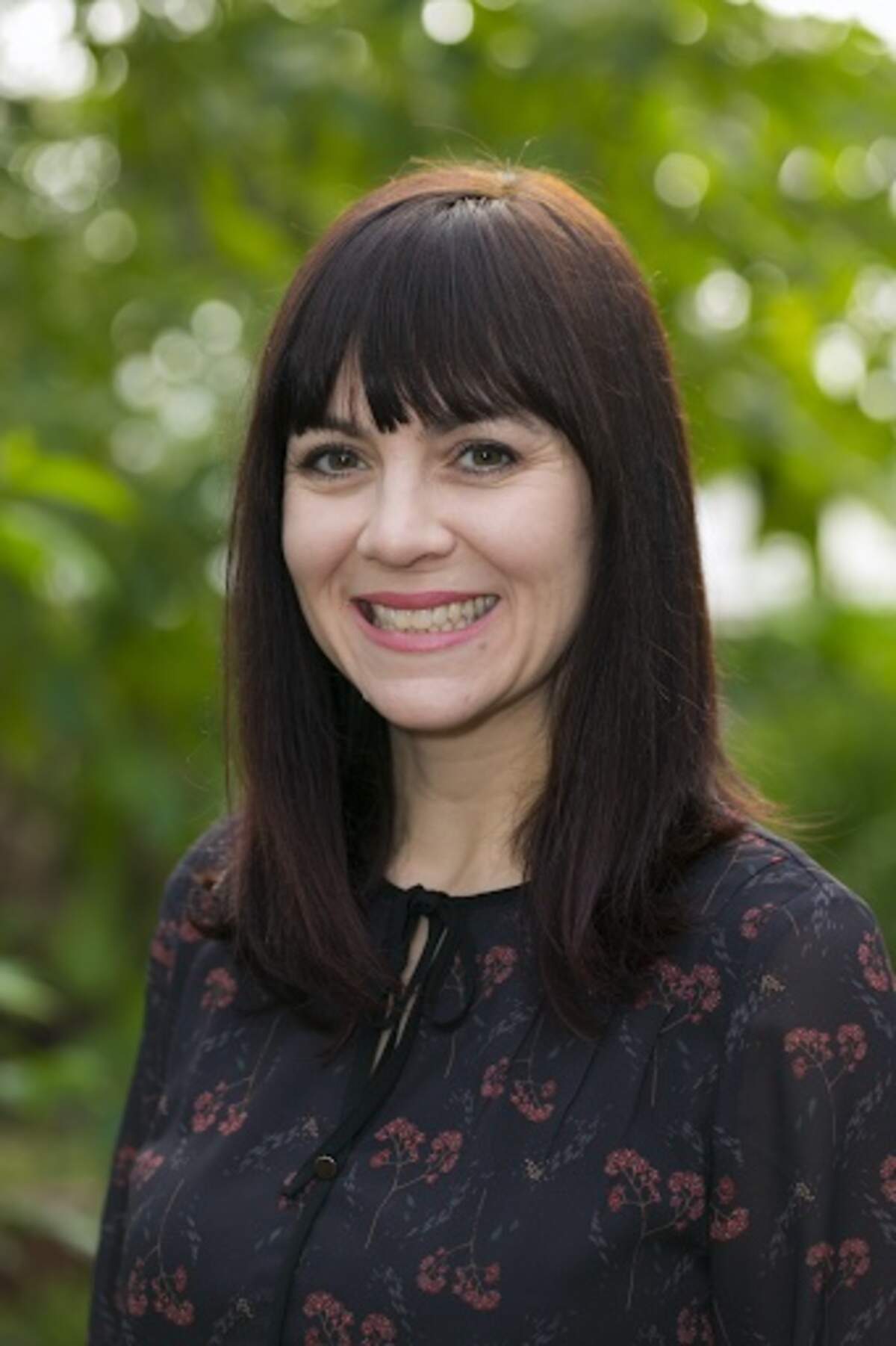
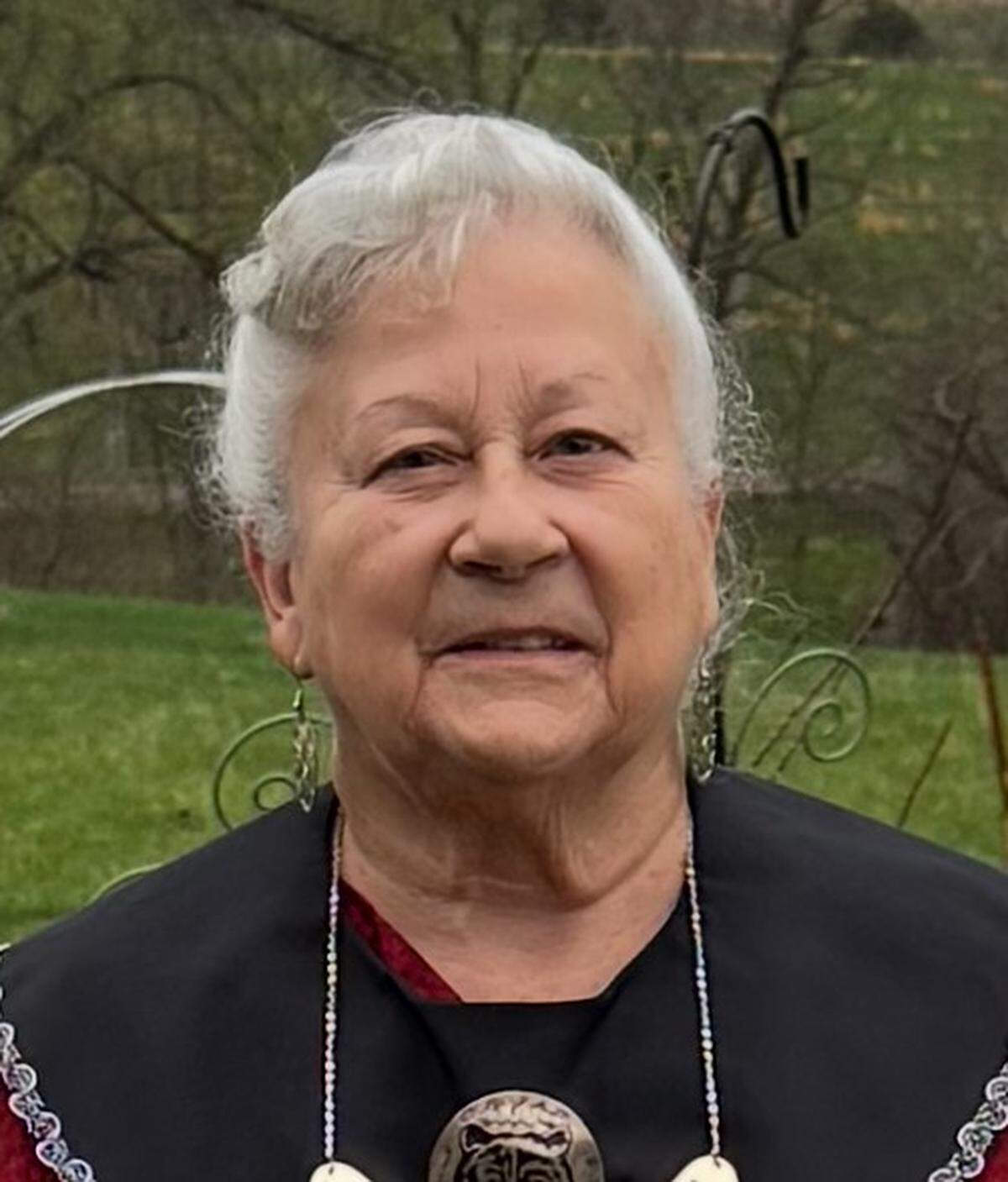
The driving forces behind the project — Chief Judith Manthe of the Wyandot Nation of Kansas and Neysa Page-Lieberman, founder and artistic director of Kansas City-based Monumenta, which produces commemorative public art projects — have dedicated untold hours to making sure “Trespassers Beware!” is a worthy tribute to the Conleys.
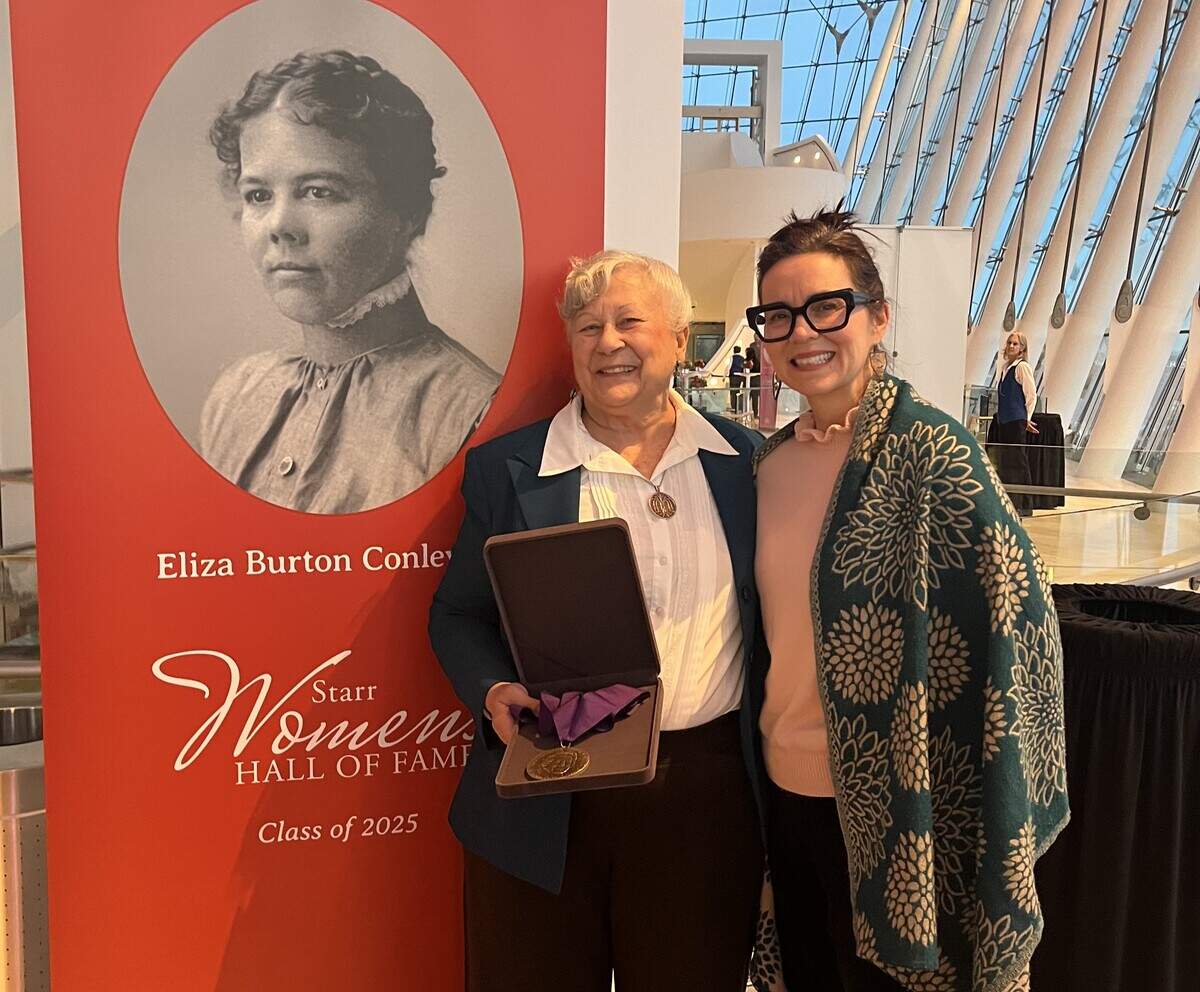
“It is an incredible Kansas City story, but it’s also an American story,” Page-Lieberman said. “It’s a national indigenous story. When people hear about it, no matter where they live, it’s ‘Why don’t I know about this? Why hasn’t this been made into a movie?’”
The script would need no embellishments: In the early 20th century, three unmarried sisters approaching middle age begin a decades-long battle against politicians and the white-male establishment to protect the memory of their Native American ancestors by any means necessary, including curses, death threats and a court case that goes all the way to the U.S. Supreme Court — where one of the sisters argues the historic case herself. Their preservation efforts ultimately prove successful, but only at great cost, including the potential murder of one of the sisters.
The story of the Conley sisters
Lyda, Ida and Helena Conley lived in Kansas City, Kansas, where their parents and another sister were buried in Huron Indian Cemetery in what became the heart of downtown. City officials decided to develop the 2-acre site even though a treaty protected Huron, It was established in 1843 and is the burial site of more than 800 Wyandots as well as Black soldiers who fought in the Civil War.
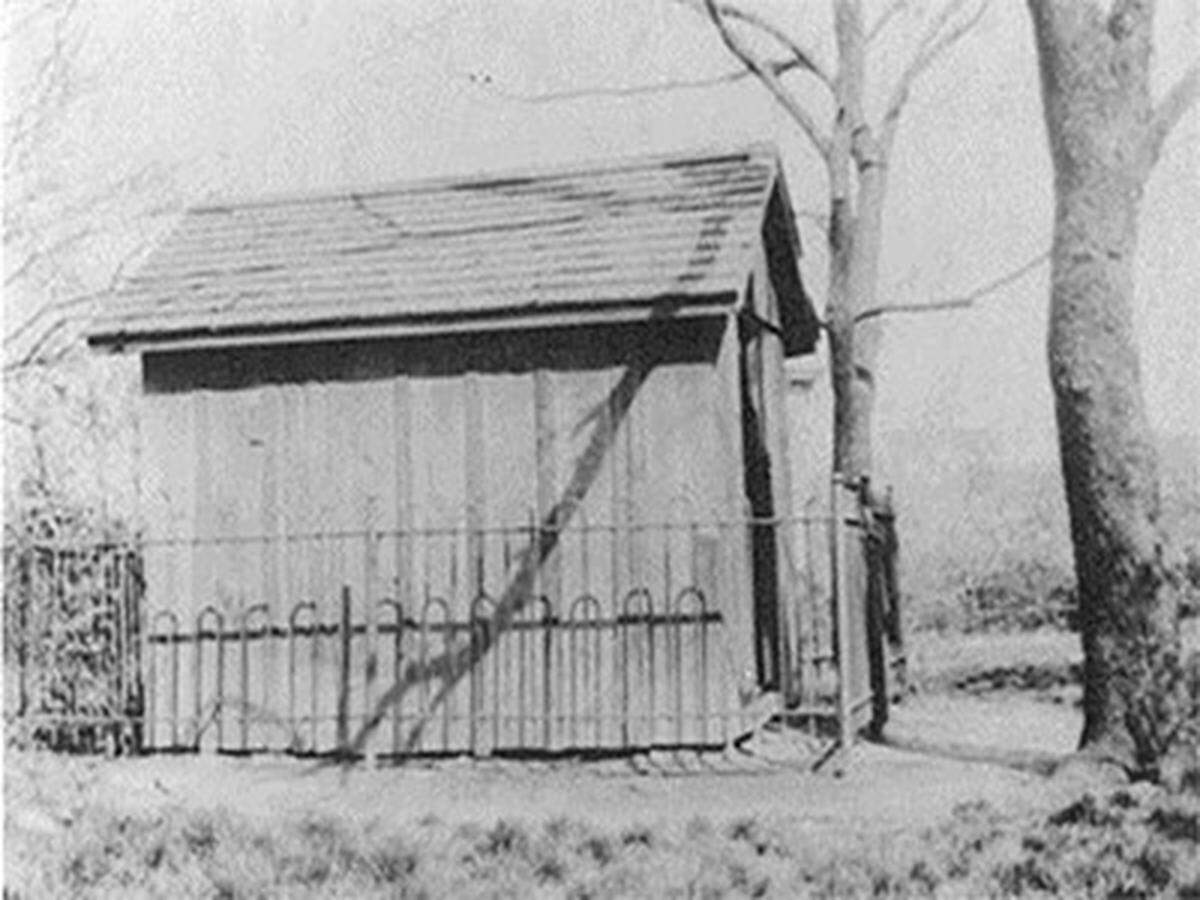
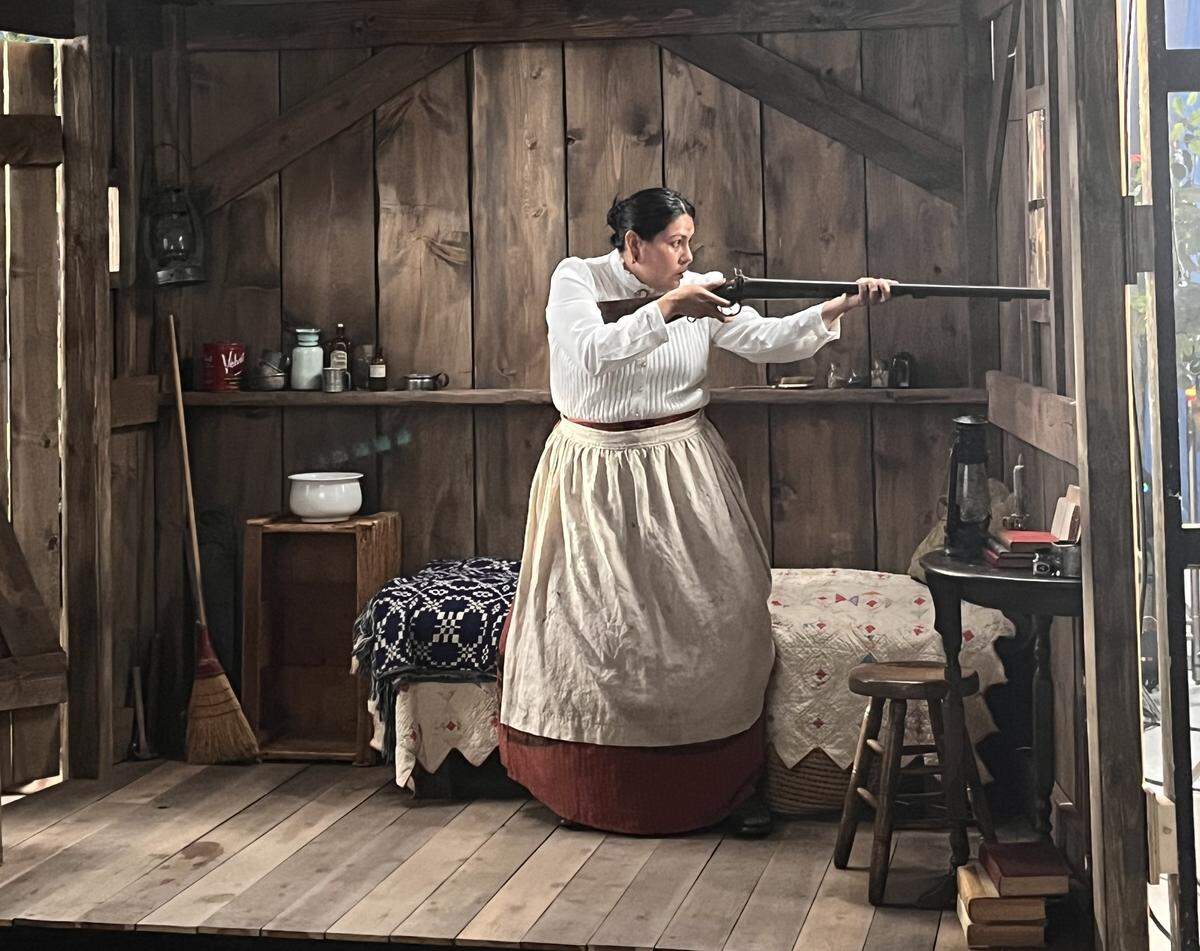
The Conleys, who were one-eighth Wyandot, took up residence in the cemetery in 1906 to prevent its desecration, padlocking the gate, putting up a sign reading “Trespass at your peril” and building 6-by-8-foot shack that came to be called Fort Conley. One or more of the sisters occupied the shack for years, frequently brandishing a shotgun to ward off would-be invaders.
“They never loaded it,” Manthe said. “They never had any intention of shooting anybody. But it was a bluff, and, boy, they pulled it off well.”
Not even the threat of federal troops from Fort Leavenworth could persuade the Conleys to abandon their fort. Nor could its destruction in 1911 by a U.S. marshal, who invaded after all three sisters were lured away by a judge claiming they were required in court to hear legal arguments in their case.
They simply rebuilt the place, defying a federal court order.
Lyda, born Eliza Burton Conley, had graduated from the Kansas City School of Law and was the first woman admitted to the Kansas Bar before becoming, in 1910, the first Native American woman to argue a case before the Supreme Court. The court wasn’t swayed by her claim that an 1855 treaty protected the burial ground, ruling unanimously that the federal government had the right to administer tribal land.
Despite the court loss, the Conleys continued to resist those who wanted to develop the land, and it never was. The cemetery gained some protection when it was placed on the National Register of Historic Places in 1971, and it now is completely safe after being designated a National Historic Landmark in 2016.
‘Wyandot women are always strong’
The Conleys’ resistance played out locally and nationally in newspapers that chronicled their many encounters with public officials and their frequent arrests.
Helena provided the most color, especially with her notorious curses. Among her targets were a worker who kept removing wires the sisters had installed to block the cemetery gate, a park commissioner who allowed a white man to be buried there and a motorcycle patrolman who arrested her for disturbing the peace.
Of the patrolman, she told a local court, “All I did was to damn his soul to eternity. … You can’t disturb the peace of a police officer.”
In 1918, it took six cops to drag a pistol-packing Helena from the shack after Lyda, who already was in custody, shouted to her, “Run into the house and shoot anyone that approaches.”
The sisters’ defiance was in the news as late as 1937, when Lyda was arrested after threatening to shoot park workers trying to clear brush on the cemetery grounds.
“Wyandot women are always strong,” said Manthe, who has been chief of the Kansas Wyandots since 2019. “They always say, ‘Don’t mess with a Wyandot woman because you might not like what you get.’”
None of the Conleys married, and all eventually were buried in Huron Cemetery, now formally known as the Wyandot National Burying Ground. Lyda’s death wrote a disturbing epilogue to the Conleys’ story.
At the age of at least 75 (her birth date is unclear), the youngest Conley sister was leaving the Kansas City, Kansas Public Library — directly east of the Huron Cemetery on Minnesota Avenue — on May 28, 1946, when someone hit her in the head with a brick and ran off with her purse containing 20 cents. She died the next day.
Newspaper reports on her death didn’t mention the assault, and the police investigation was minimal. Manthe doesn’t rule out the possibility that it was more than a mugging, that it might have been a revenge killing.
“It wouldn’t surprise me at all,” she said.
Page-Lieberman said: “I’m sure there was a lot of resentment toward her.”
Monumental task
Manthe has been telling the sisters’ story at schools and community gatherings for years. She’s assembled volumes of clippings, anecdotes and details, which she provided to three artists from the Wyandotte Nation of Oklahoma who created the monument.
“When I approached her about doing this, she said, ‘Great, I’m already doing this all the time,’” Page-Lieberman said. “I always say that Chief Judith, she’s like the walking, living, breathing monument to this because she has spent so many years giving visibility to the story.”
Manthe said the monument’s artists have created “exactly what I had in my mind by building a Fort Conley, an example of it. … It’s just come to fruition. It’s just been beautiful.”
Now it’s time to share “Trespassers Beware!” with the public. It will be on view at the Wyandotte County Historical Museum into November during its business hours, 9 a.m. to 4 p.m. Monday through Saturday. Next spring it will travel to Johnson County Community College and then to the Kansas City, Kansas Public Library.
Manthe hopes the local engagements are only the start, even dreaming of staging the exhibition at the Smithsonian Institution.
“I’ve got people coming out of the woodwork that want it next,” she said. “They’re just lining up for time to have it.”
Constructed much like a tiny home, though slightly bigger at 7 by 9 feet, the monument will sit outside at each venue, moving from place to place on a trailer.
The project, which will charge no admission, was made possible by grants, largely from the Mellon Foundation as part of the Kansas City Monuments Coalition through the UMKC Center for Digital and Public Humanities.
Monumenta also beat out thousands of other applicants for a National Endowment for the Arts’ ArtsHERE grant of $130,000, but the Trump administration has broken that contract and has left the project with a $32,500 shortfall.
“That’s a big chunk that we’re probably going to have to fundraise for,” Page-Lieberman said. “Now it’s really tricky.”
Name confusion
Today’s four Wyandot/Wyandotte Nations include one in Canada and one in Michigan, as well as the Wyandot Nation of Kansas and the Wyandotte Nation of Oklahoma, which owns and cares for the Wyandot National Burying Ground. They all derived from the Wendat Confederacy, which originated in Canada and faced forced relocations in the 19th century that led members to Kansas and elsewhere.
In the works
The University Press of Kansas is scheduled to release “Lyda Conley and the Fight to Preserve Huron Indian Cemetery: With Sources & Oral Histories,” edited by Stephanie Bennett, Samantha Gill and Tai S. Edwards, in the spring.
Also, the Kansas City Repertory Theatre commissioned a play about the Conleys called “Representatives for Those at Peace” by Oklahoma Wyandotte playwright Madeline Easley and presented a staged reading in December 2023. Conversations about producing it as a full-scale show are ongoing.