
Quest to find remains of ‘Don Quixote’ author Miguel de Cervantes may be fulfilled
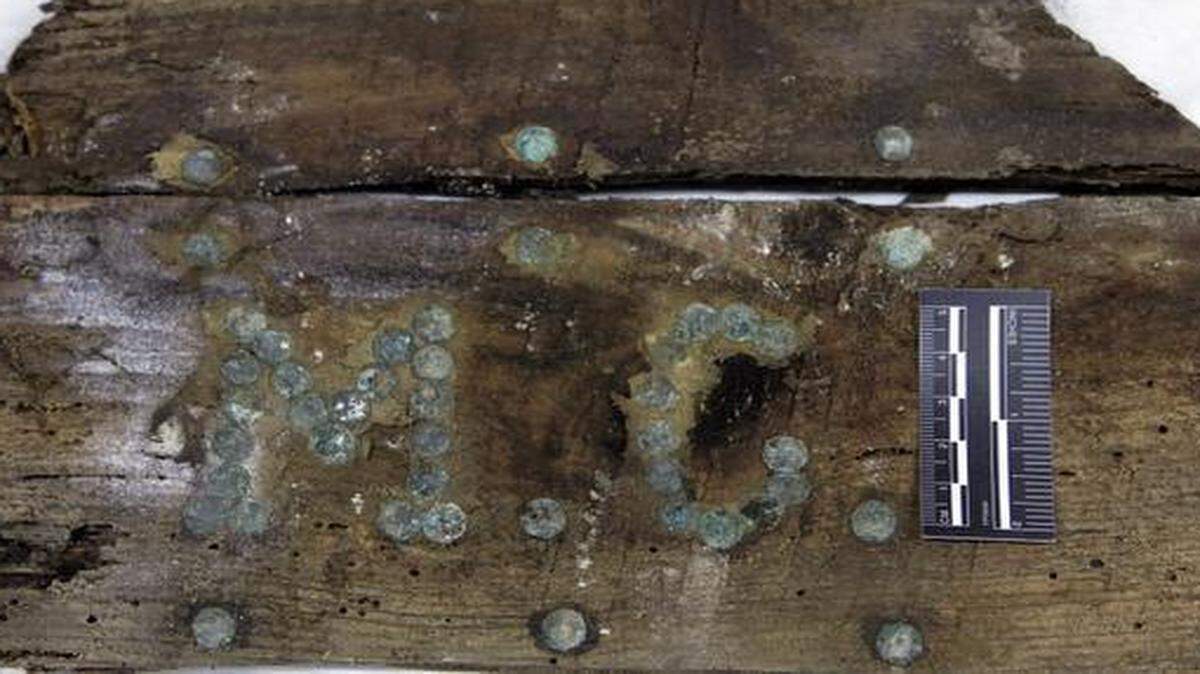
Experts searching for the remains of Miguel de Cervantes said Monday that they found wooden fragments of a casket bearing the initials “M.C.” with bones in and around them in a crypt underneath the chapel of a cloistered convent in Madrid.
Cervantes is a towering figure in Spanish culture. His novel “The Adventures of the Ingenious Nobleman Don Quixote of La Mancha” changed Spanish literature.
Archaeologists made the find over the weekend during excavations to solve the centuries-old mystery of where the famed Spanish writer was laid to rest. The initials on a plank of the coffin were formed with metal tacks imbedded into the wood.
The bones of at least 10 people were found inside the niche containing the broken wooden planks of the coffin, though some of the remains belonged to children, said forensic anthropologist Francisco Etxeberria, who participated in the autopsy that confirmed the suicide of former Chilean President Salvador Allende.
Etxeberria and others will now start examining the bones to try to determine whether Cervantes’ are among them. Cervantes was 68 or 69 when he died, and investigators have solid clues to work with as they conduct their probe.
The investigation will refer to the author’s portraits and his own stories, in which he relates that shortly before dying he only had six teeth.
But the most obvious marks will be the battle wounds that Cervantes sustained.
In 1571, the writer was wounded in the Battle of Lepanto, which pitted Ottoman Turkish forces against the Holy League, led by Spain. Aboard the ship La Marquesa, Cervantes was hit with three musket shots, two in the chest and one in his hand.
He spent several months in a hospital in Sicily but managed to recover.
The author of “Don Quixote,” the story of a delusional man who believes he is a knight and bravely attacks a windmill thinking it a giant, had suffered several ailments during his productive years before being buried in 1616 at Convent of the Barefoot Trinitarians in Madrid’s historic Barrio de las Letras, or Literary Quarter.
This story was originally published January 30, 2015 at 6:00 AM.