
Kansas City author was celebrated yet inscrutable. New bio digs into ‘his inner being’
Evan S. Connell may be best known for writing the novels “Mr. Bridge” and “Mrs. Bridge,” set in his native Kansas City and notably adapted into an Oscar-nominated Paul Newman movie.
But beyond that, most people, locals included, likely don’t know much about the author. In fact, some might call him “unknowable.”
“There are a handful of people still around who knew Connell well, and even they talk about the wall he put up around himself,” says KC-based writer Steve Paul. “I think I dug up virtually every word the man ever wrote. That kind of archival research was fun, but getting to his inner being became the most challenging part.”
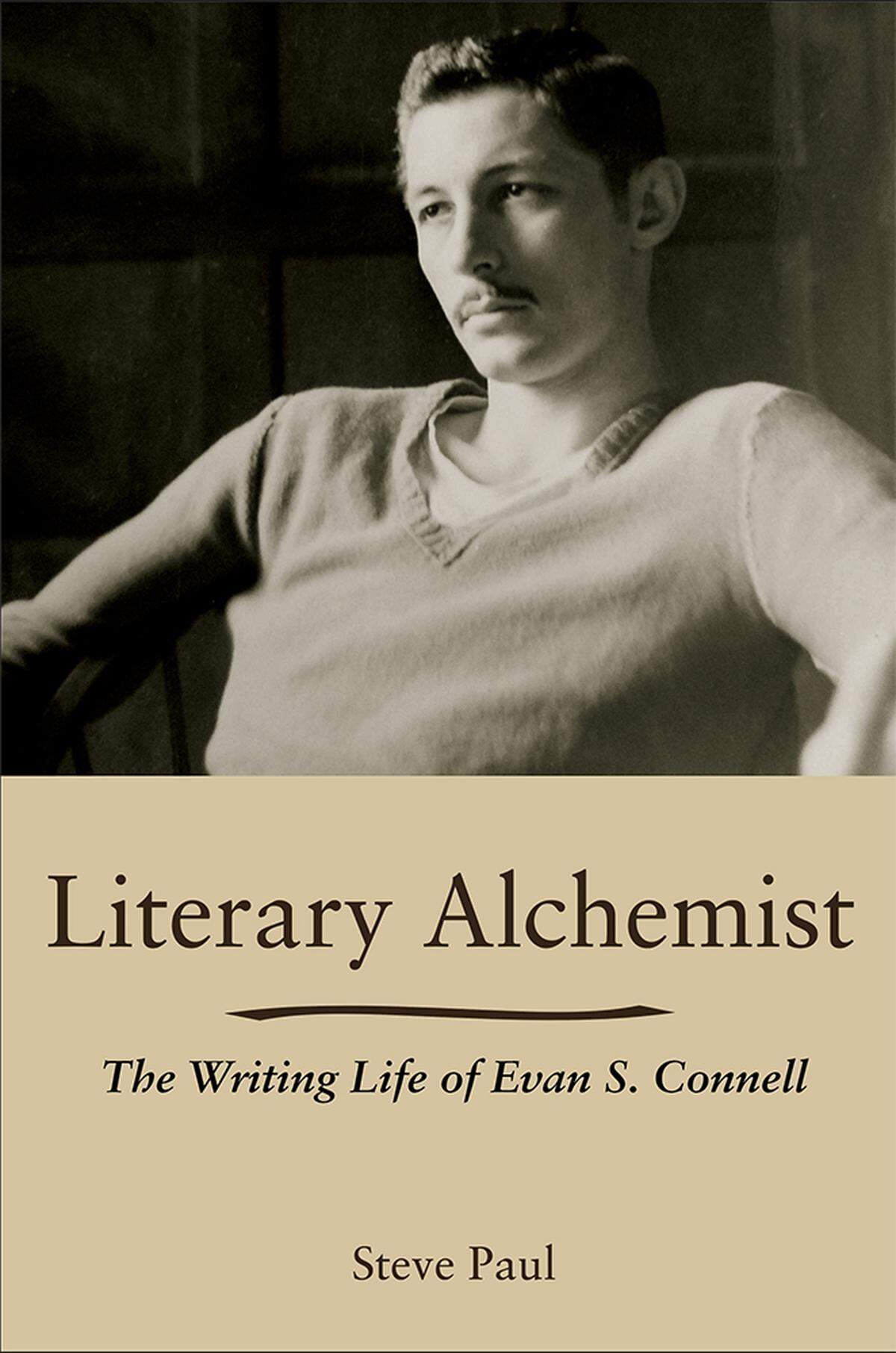
Paul, a former Star writer and editor, hopes to decipher this enigmatic author in a new biography. “Literary Alchemist: The Writing Life of Evan S. Connell” (University of Missouri Press) hits shelves Dec. 1. It’s considered the first portrait of the underappreciated Connell, incorporating personal accounts by those closest to him, archived correspondences and contextual analysis of his work.
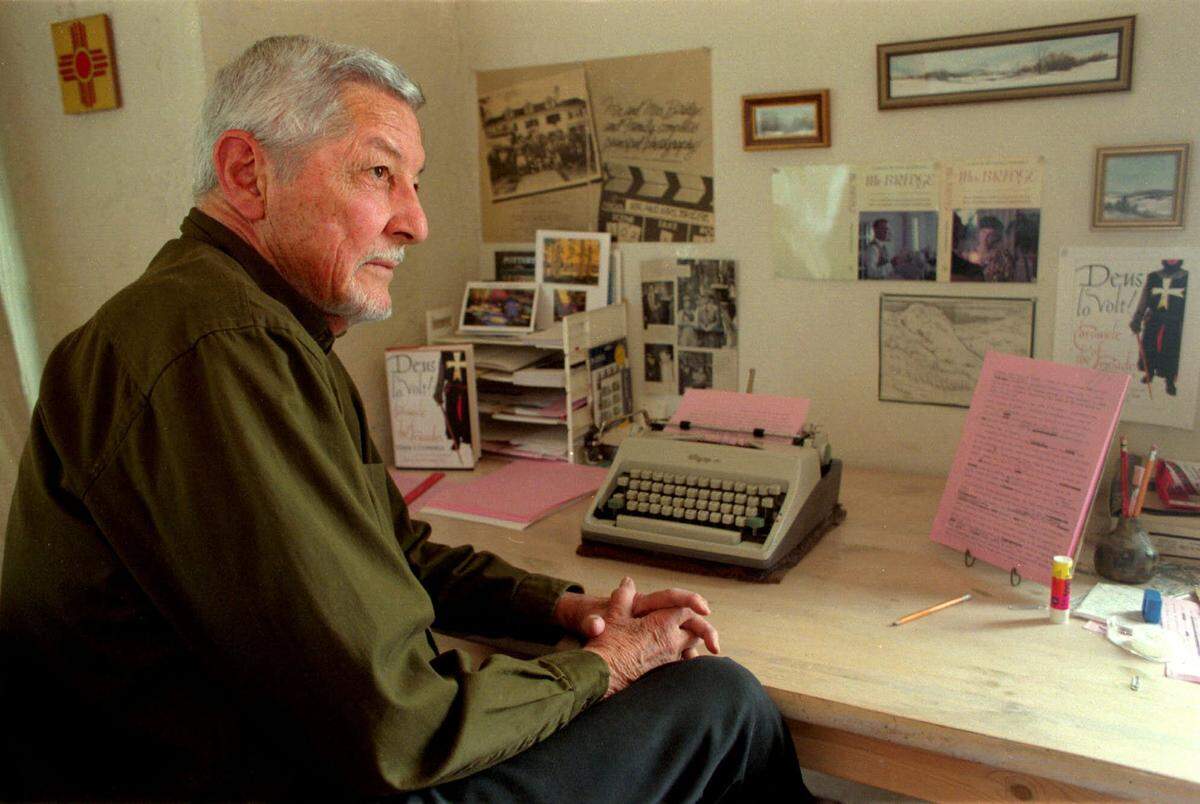
“I want to offer an appreciation for a writer who should be better known,” Paul says. “He self-sabotaged every now and then. After ‘Son of the Morning Star,’ which was his most commercially successful book, the next one he published was ‘The Alchymist’s Journal,’ which nobody read or really could read.”
That 1991 work, in which Connell (pronounced con-NELL) presents a historical re-creation of seven alchemists, inspired the title of Paul’s biography.
“Connell wrote an entire book that was devoted to the lives, thoughts, philosophy and science of these alchemist types — a very arcane, fascinating work,” he says. “But any writer is an alchemist to a certain extent. Writers take material and transform it into possibly greater things than real life.”
Paul attempted his own transformation involving Connell (1924-2013). He did a deep dive into Connell’s body of work, including the author’s two signature books: 1959’s “Mrs. Bridge,” the story of an upper middle-class Kansas City family’s life between the First and Second World Wars, and 1984’s “Son of the Morning Star: Custer and the Little Big Horn,” a nonfiction account of the 1876 battle that featured extensive portraits of participants Gen. George Armstrong Custer, Sitting Bull and Crazy Horse.
“You start realizing it’s almost a way to write about yourself,” Paul says of delving into the personality and progression of a fellow writer.
“I found some parallels. I’m not totally socially inept, but I go into my quiet periods. And when you’re out in the ‘hinterlands,’ you resent the fact that everything happens in New York. They don’t care about who you are and what you do. … I’m nothing like the writer Connell was. But I certainly began to identify with him in some of those ways.”
Born and raised in Kansas City, Connell graduated from Southwest High School in 1941. After beginning college at Dartmouth, he joined the Navy as a pilot. After World War II, he resumed studies at the University of Kansas, where he earned a degree in English. That was his last time living in the Midwest; he relocated to California and, eventually, New Mexico.
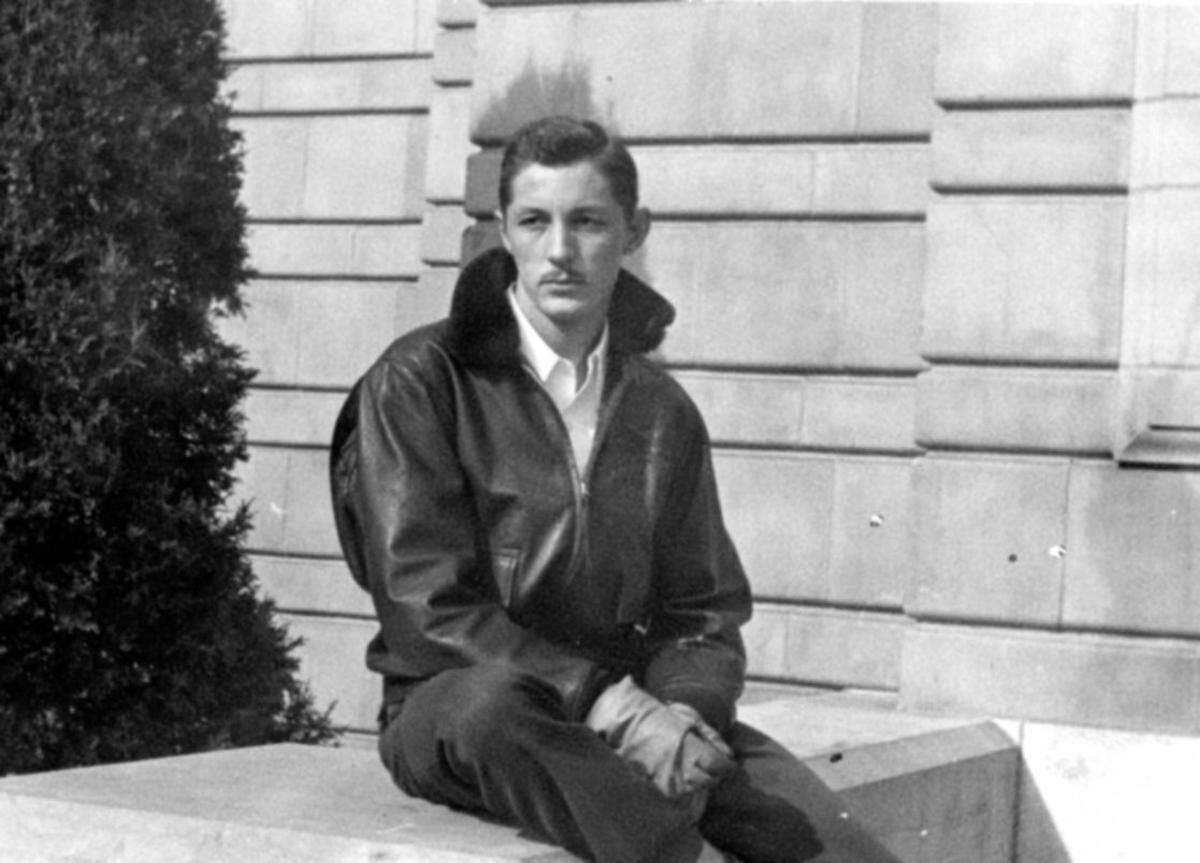
Connell was the author of 18 books, which included novels, biographies, short stories and poems. He was awarded the Los Angeles Times Book Prizes’ Robert Kirsch Award for lifetime achievement in 2010.
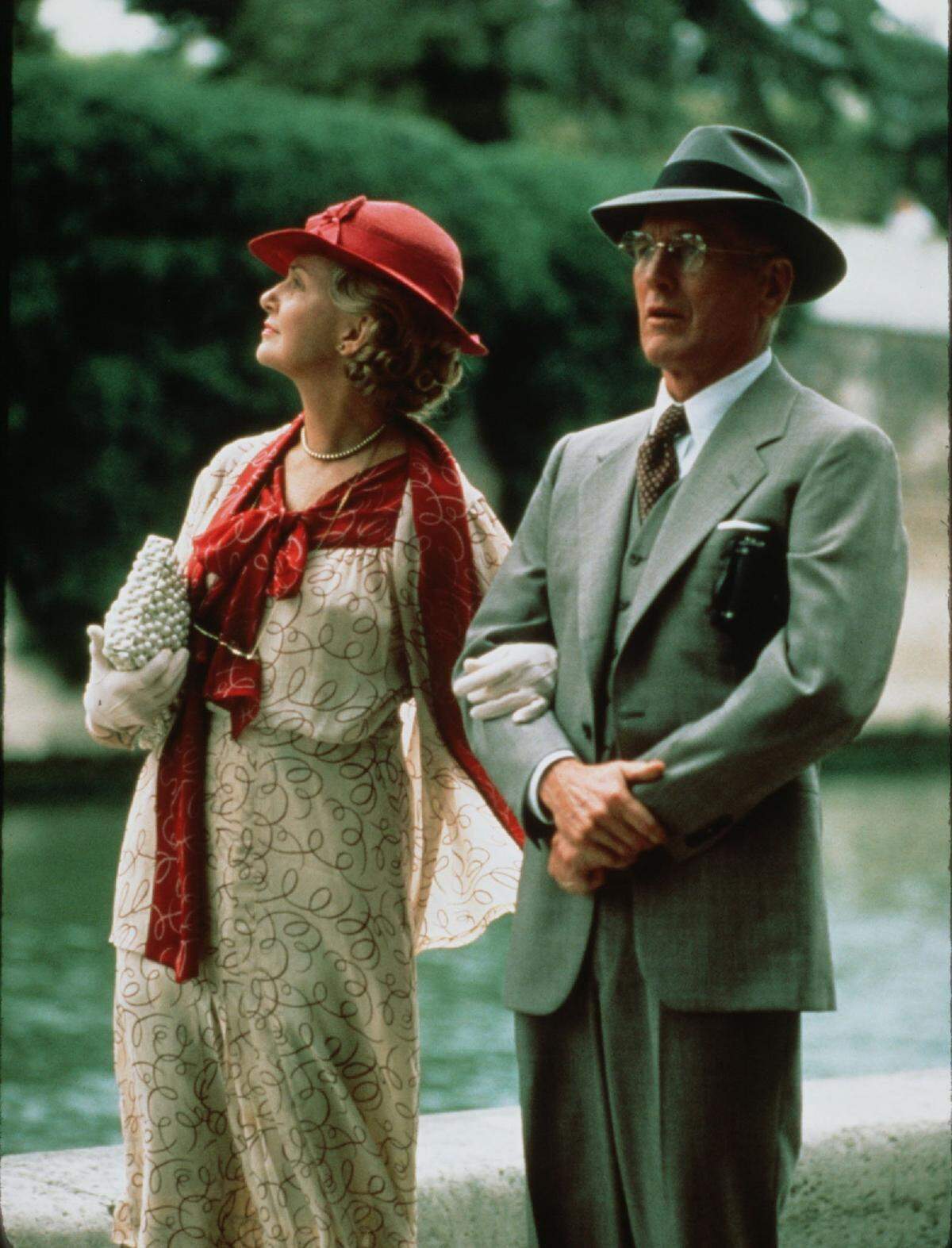
His work was adapted twice to other media. In 1990, the filmmaking team of Merchant-Ivory went on location in Kansas City to shoot “Mr. & Mrs. Bridge,” a period drama combining the novels “Mr. Bridge” and “Mrs. Bridge” and starring Paul Newman, Joanne Woodward, Kyra Sedgwick and Blythe Danner. The film netted Woodward a best actress nomination at the 63rd Academy Awards. (She lost to Kathy Bates for “Misery.”)
The next year saw the release of “Son of the Morning Star,” an ABC miniseries starring Gary Cole and Rosanna Arquette.
“If I find a subject that interests me, then I try to decide how best to write about it,” Connell told The Star in 2010. “Some things seem better suited for nonfiction, and others seem to be fiction in content or nature. A friend of mine once asked me how I could switch from one to another. I don’t regard it as switching; it’s just whatever subject happens to interest me, and then I decide how I can best tell the story.”
Emmy-nominated filmmaker Mike Robe directed the TV adaptation of “Son of the Morning Star.” He recalls Connell being “very respectful, very supportive” of the endeavor to make his work viable on-screen.
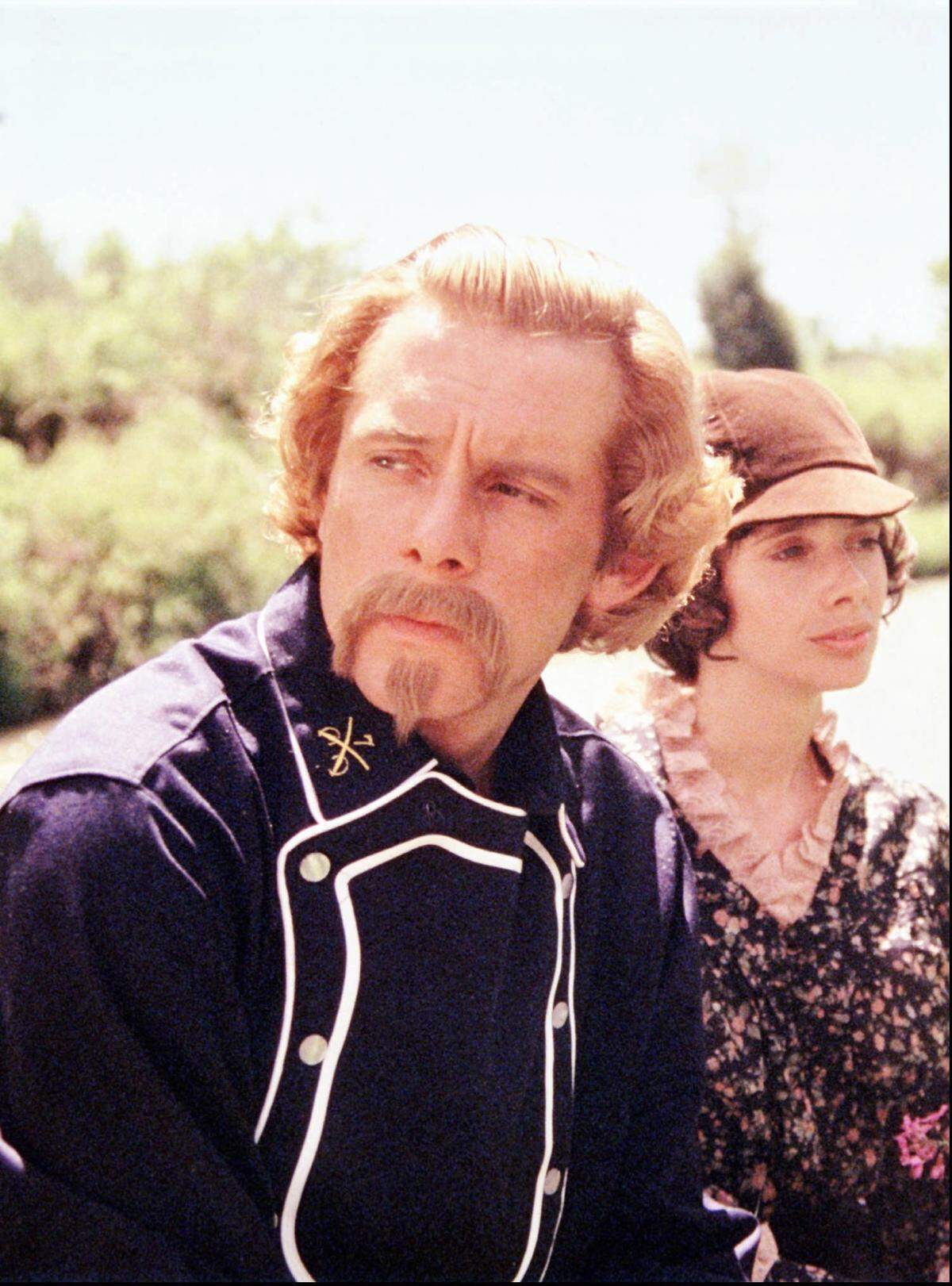
“He came to visit the set once, on location near Billings, Montana,” says Robe, a 1966 KU graduate in journalism and its master’s program two years later.
“We were shooting only about 40 miles from the real site of Custer’s Last Stand. Evan liked that, liked our effort, at every turn, to try to get it right. But beyond that, he kept his distance with no effort to interfere in the colossal mission of interpreting on-screen one of America’s greatest, most enduring myths. We only briefly touched on our common connection to Kansas City. I think we both felt the same. We no longer lived there, and that was OK. But a part of us would always be shaped and colored by that upbringing.”
Robe says he admires Connell’s work because of how dramatically dispassionate it seems.
“Dispassion is an uncommon quality for novelists,” Robe says. “But in being so clear-eyed about our foibles, (Connell) somehow finds all the more pathos in the characters he paints.”
Paul believes there may be a reason for that detachment. He notes that Connell basically disappeared while living in Santa Fe, New Mexico, for nearly 25 years.
“He didn’t leave much of a footprint there. A lot of people just had no idea who he was. He lived quietly and almost anonymously there except for his close handful of friends,” Paul says.
“I considered talking to a psychologist about Asperger’s, just to bounce that idea off somebody who knew about it. But I didn’t want to psychoanalyze. From what I heard about Connell’s social behavior, he could be on that spectrum, and in a time when it wasn’t really recognized and discussed as it might be today.”
Among the most interesting details regarding Connell’s life that Paul uncovered were the many intersections with Beat poet Allen Ginsberg and some of his boundary-pushing activities of the era.
“Connell had actually participated in those early LSD experiments in Los Angeles. He was in San Francisco in the ’60s, but he wasn’t a wild and crazy guy by any means,” Paul says. “He had that curiosity early on, and he tried it a few times. But he wouldn’t have kept going with it because he wasn’t a guy who wanted to lose control.”
Paul himself had “virtually no relationship” with Connell, having only spoken to him once on the phone while a book critic at the Star. His closest connection was knowing friends who lived in the house Connell grew up in.
Born in Boston, Paul started working at the Star as a clerk and campus correspondent in the early 1970s while he was attending UMKC, getting hired full time at the paper a year after graduating. He served as arts editor when “Mr. & Mrs. Bridge” was filming in KC. Paul retired in 2016 as the editorial page editor.
In 2017, his first book centered on a fellow former Star writer: “Hemingway at Eighteen: The Pivotal Year That Launched an American Legend” (Chicago Review Press).
“There’s no evidence Connell and Hemingway ever met,” Paul says of his two subjects. “Connell emerged in the ’50s when Hemingway was the god of American literature, so he had to wrestle with being in that shadow. He doesn’t overtly do that, but there are times when he mentions Hemingway as a writer to acknowledge.”
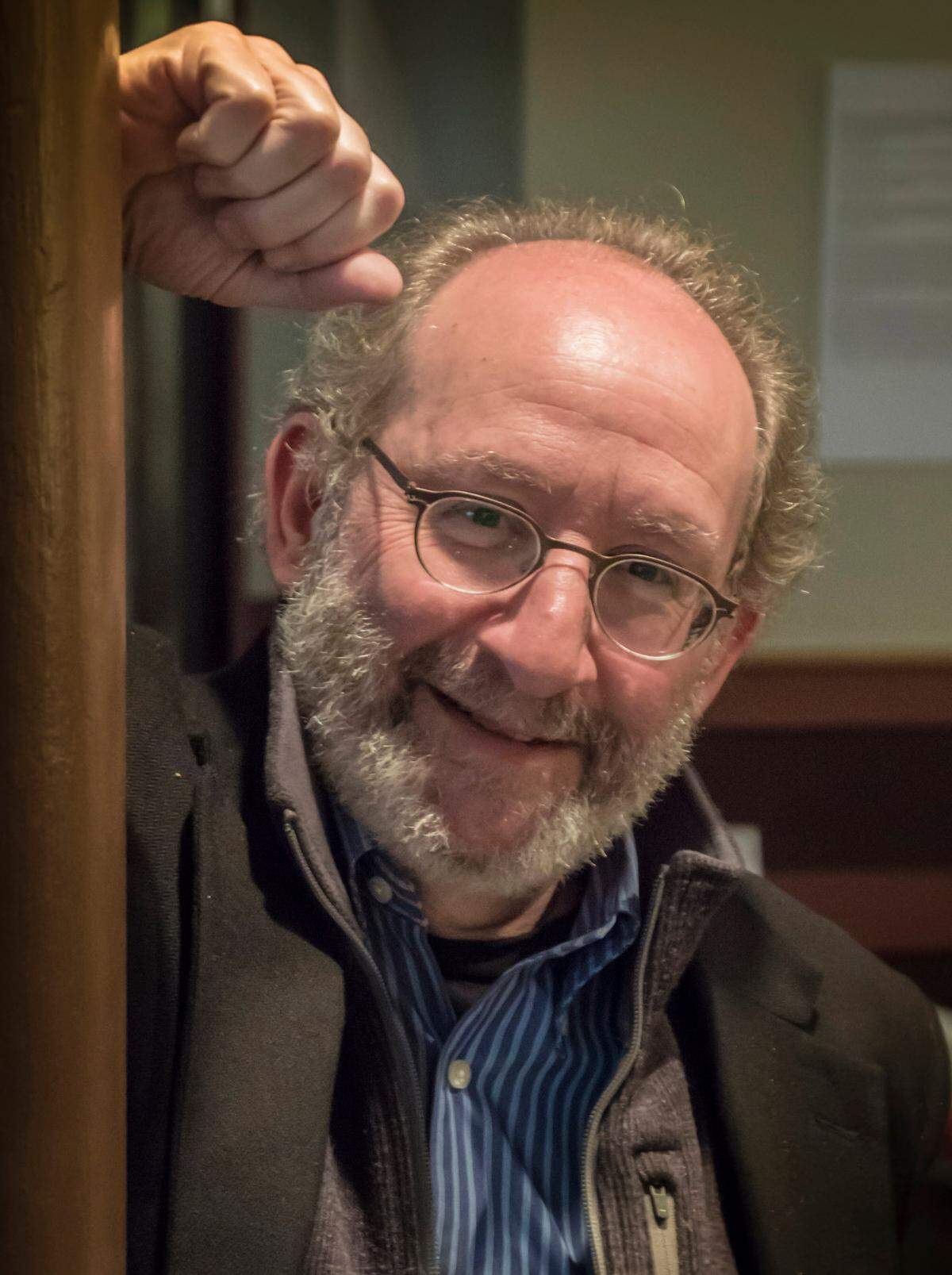
Paul hopes “Literary Alchemist” will bring readers to Connell who may not understand the scope of the late author’s formidable abilities.
“Reading both his successful work and even the really obscure and hard-to-read stuff, like ‘Notes From a Bottle Found on the Beach at Carmel’ (1962) and ‘Points for a Compass Rose’ (1973) — those two books of not-quite-poetry are rather amazing,” Paul says.
“Connell had a sense of humor that people don’t always acknowledge or recognize. There are many reasons to look at these things that no one ever read much before.”
Author event
Steve Paul will discuss “Literary Alchemist” with Kansas City novelist Whitney Terrell at 6:30 p.m. Dec. 1 in an online event presented by the Kansas City Public Library. Watch at YouTube.com/kclibrary.
Jon Niccum is a filmmaker, freelance writer and author of “The Worst Gig: From Psycho Fans to Stage Riots, Famous Musicians Tell All.”