
‘The storytellers’: Readers marvel at singer Dolly Parton, Kansas author Sarah Smarsh
You never forget your first encounter with Dolly Parton.
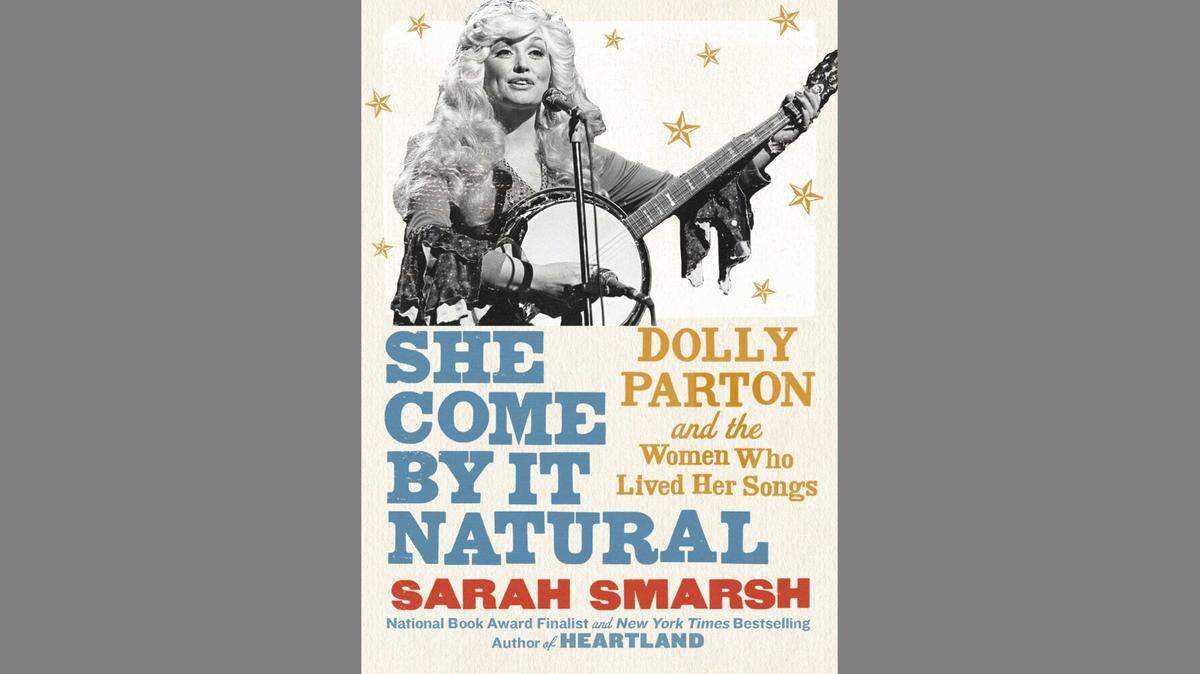
The pop culture icon is at the center of Kansas author Sarah Smarsh’s latest book, “She Come By It Natural: Dolly Parton and the Women Who Lived Her Songs.” This latest selection of the FYI Book Club also ties in with a recent IndieLens streaming of the documentary “9to5: The Story of a Movement.”
At the recent gathering of the FYI Book Club, readers opened the conversation with tales of the first time they heard or saw the country music legend. As expected, most mentioned her music and movie roles.
“I grew up on a farm, which means I grew up on country music,” said Linda Wells of Lee’s Summit. “I’ve been listening to Dolly since I was a kid.”
Linda Martin, Kansas City, said, “We never missed ‘The Grand Ole Opry’ and watched ‘The Porter Wagoner Show.’ My friends think this is funny because I’m a classically trained musician.”
Carrie Habib, Kansas City, agreed. “My dad listened to Dolly exclusively,” she said. “We also watched ‘The Porter Wagoner Show’ and I’m sure the first song of hers I heard was ‘Coat of Many Colors.’”
“I first encountered Dolly in ‘9 to 5,’ the movie with Jane Fonda and Lily Tomlin,” said Kathy Lindsey, Olathe. “After a recent viewing, I see there’s much more to it than I realized.”
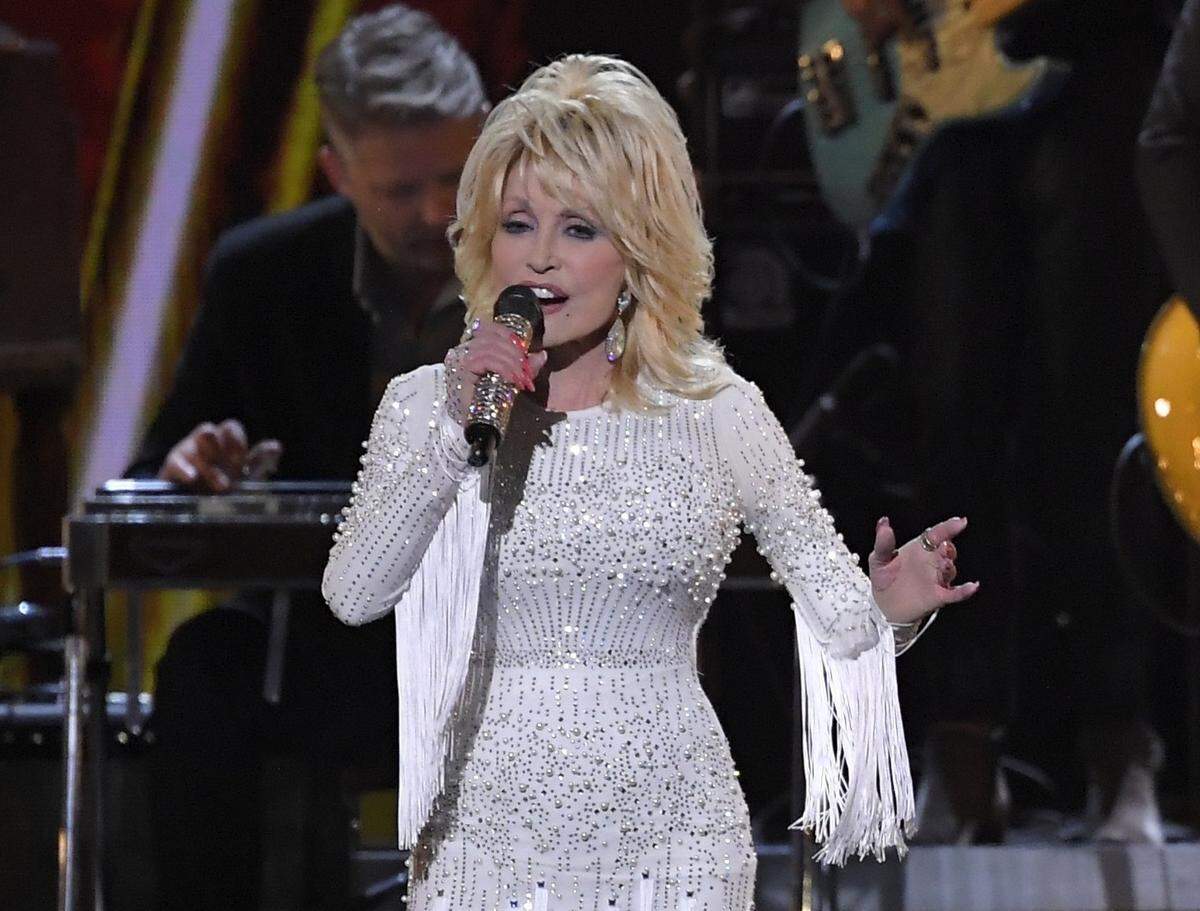
One reader took a circuitous route to Parton and her music. “I came to Dolly via the White Stripes,” said Brandon Smith, Kansas City. “They did a cover of her hit song ‘Jolene.’ I thought it was a great song, then I heard Dolly sing it and thought, hey, that’s even better!”
As amazed as readers were with Parton’s song output, business empire and public persona, they spent most of their time talking about how carefully Parton navigated her professional life in an effort to stay true to her own values and ideals.
Lisa Timmons, Kansas City, admitted she rarely listened to country music and was slightly aware of Parton. “But this book put a whole new light on who Dolly is and what her music means to others,” Timmons said. “I wasn’t aware of her good works, and there were several times I had to take note of what I had disregarded about Parton.”

Habib pointed out that Smarsh made it easy for readers to see the connections between Parton’s lyrics and the lives of the poor rural women Smarsh grew up with. “Parton’s songs and the book celebrate strong women facing challenges in their lives. Especially when these women didn’t really get any advantages and were marginalized because they were women and poor and uneducated. Smarsh knew these women, and so did Parton.”
Readers talked about the storytelling talents of both Smarsh and Parton.
“I think Parton and Smarsh are the storytellers for this community of people,” said Hanna Cusick, Kansas City. The poor rural women who escape and start over. Parton didn’t want to be political or label herself. She just wanted to be their storyteller.”
Denise Fletcher, Kansas City, mused, “I think Smarsh made Dolly more relatable. When Smarsh would break from the narrative and talk about how Dolly’s experiences mirrored her grandmother’s and other women in similar situations, that made it easier to see other people’s lives were similar to Dolly’s. This was a chance for Sarah to look at Dolly’s music and be analytical about feminism and music.”
Lindsey noticed that fit’s a big thing in the lives of women to walk away from potential or actual harmful conditions. “Dolly knew when to walk away, whether she had a safety net or not,” Timmons said. “Remember the part where Dolly walks away from Elvis?”
Timmons laughed at this point. “I liked that part of the book. The story of Dolly standing up to Elvis Presley’s manager and saying no to sharing credit for a song he had nothing to do with is a pretty big thing. You just didn’t say no to Elvis, and she did!”
Readers remarked there is no talking about Parton without talking about her image.
Smith felt Parton is showing the public exactly who she is. “I did not realize how much is below the surface of Dolly. I think this is all authentic. It doesn’t feel deliberate at all. It’s just who she is.”
Susan Jackson, Kansas City, disagreed. “I think it’s all very calculated,” she said. “Dolly is a savvy businesswoman. I think she’s a lot more complex than I gave her credit for. Dolly is showing us who is in control of her destiny. Dolly knows clothing and body image are a costume. Dolly even says, ‘I look totally phony, but I am totally real.’ She is in total control of herself, and it’s working for her.”
Tracey Lewandoski, Kansas City, commented, “Dolly is very deliberate in her words and interviews to not offend anyone and not take a position. She has never said she is a feminist, as Smarsh reminds us in the book.”
The attendees were asked if it matters that Parton, a woman who embodies the best qualities of feminism, won’t take on that label.
Cusick said, “I thought Dolly felt she can do more good as her own label, by just being who she is, than she can by adopting some political or social label. She could also be thinking, ‘This is working for me, why would I rock my own boat?’”
Conversation then turned to the feminists in the documentary “9to5: The Story of a Movement.” What surprised most of the readers was how little they had known about the movement.
Amanda Giesler, Parkville, said, “I thought it was excellent. The film portrayed issues and situations I didn’t realize had happened. All of the women in the documentary could be people in Dolly’s songs. I saw many parallels in Smarsh’s book.”
Lewandowski conceded, “I had never heard of the movement, but it made me think. All of these women paved the way for me. I wouldn’t be here if it wasn’t for them. There were hurdles those women leaped that we never had to encounter and never will now.”
Smith said, “Dolly’s songs reflect the experiences of women, poor and rural as Smarsh points out, but also working class urban women as in this documentary and the movie, ‘9 to 5.’ Dolly’s work in country music helped pave the way for other women country musicians the way the organizers in ‘9to5’ helped smooth the path in the working world for the women who came behind them.”
Attendees were asked what kind of country song might be written about them. Lewandowski smiled and said, “Dolly’s hit ‘9 to 5’ is the song about us. It’s about the urban working women who fought for a better life for the women who were coming after them.”
Kaite Stover is the Kansas City Public Library’s director of reader’s services.
Join the club
The Kansas City Star and the Kansas City Public Library present a book-of-the-moment selection every few weeks and invite the community to read along. In April, look for an introduction to the next book, “A Little Devil in America” by Hanif Abdurraqib. To participate in a future book discussion led by the library’s Kaite Stover, email kaitestover@kclibrary.org.