
Reading about an immortal life starts a campus discussion at MCC-Longview
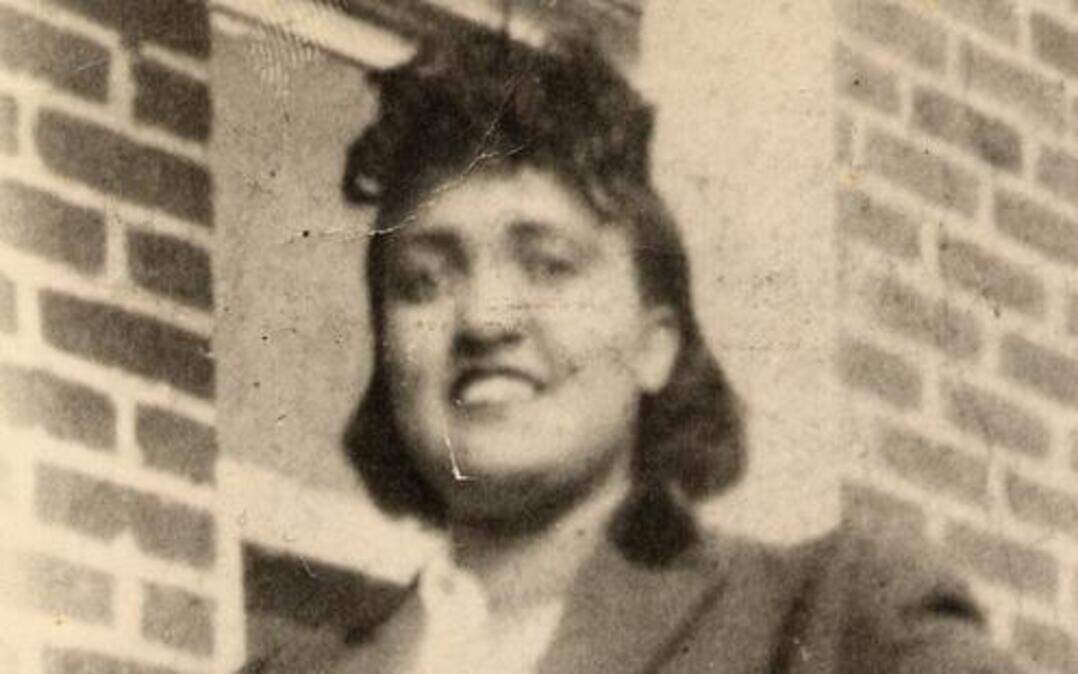
The story of Henrietta Lacks’ contribution to medical science is so compelling, a group of Metropolitan Community College-Longview professors wanted their entire campus and Lee’s Summit residents to read about her.
Rebecca Skloot’s 2010 nonfiction book, “The Immortal Life of Henrietta Lacks,” tells the story of a poor African-American woman living in Maryland and of the death-defying cells taken without her knowledge.
Those immortal cells, named HeLa cells, have been used in medical research for more than 60 years.
It wasn’t until the book, which deals with the moral and ethical issues of race, poverty, health care and biomedical research, that the Lacks name became widely known.
The book brought a lot of attention to her descendents, who have traveled the country, speaking at colleges, laboratories and pharmaceutical companies, “letting the world know who Henrietta Lacks was,” Kimberly Lacks, Henrietta’s granddaughter, said Tuesday in a telephone interview.
“We have talked at places where they have HeLa cells stored in refrigeration,” she said.
On Thursday, she and cousin Veronica Spencer will visit Lee’s Summit. The public is invited to a reception with the Lacks descendants at 5 p.m. at John Knox Village Pavilion in Lee’s Summit, followed by a conversation with the two women and Richard Payne, the John B. Francis chair in bioethics at the Center for Practical Bioethics. To reserve space, go to www.mcckc.edu/lvhomecoming.
Common reads have become popular on college campuses as a way to engage all students, faculty and staff, said Angela Bahner, a psychology professor and member of the MCC-Longview common-read committee.
About 25 professors pledged to use the book in their classes. Student and faculty groups discussed the book, and Mid-Continent Public Library in Lee’s Summit promoted community discussions.
Until Lacks, scientists had never seen human cells that would reproduce in lab conditions. HeLa cells became the human cell line for scientific inquiry worldwide. They were critical in the cures for polio and other diseases and in gene mapping, and they traveled to space in the study of cell survival in zero gravity.
Lacks died in 1951 at age 31 at Johns Hopkins Hospital of complications from cervical cancer. Her family didn’t know until the late 1970s the role her cells had played in medical research.
This story was originally published April 14, 2015 at 8:51 PM with the headline "Reading about an immortal life starts a campus discussion at MCC-Longview."