
Alexander McCall Smith’s retelling of ‘Emma’ is a delight
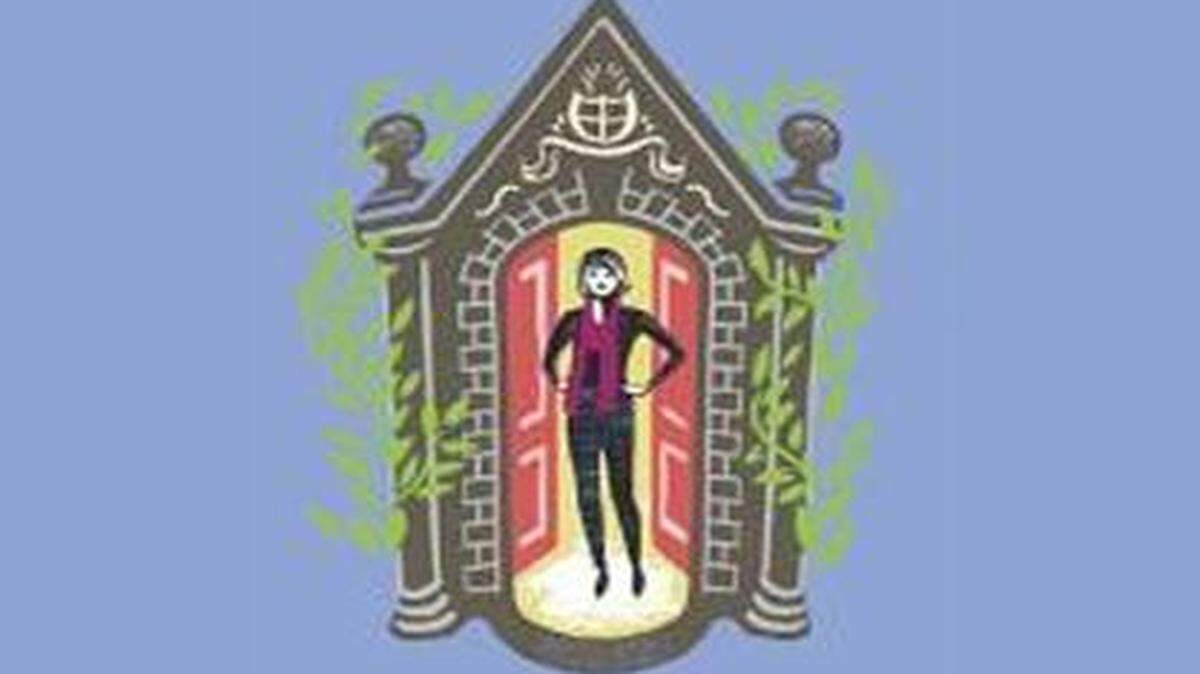
NOVEL
“Emma: A Modern Retelling,” by Alexander McCall Smith (361 pages, Pantheon, $25.95)
This retelling of ‘Emma’ is a delight
The Austen Project continues.
Launched in 2013 to celebrate the 200th anniversary of the publication of “Pride and Prejudice,” the project picks contemporary authors to inveigle Jane’s characters into the 21st century.
The first published updating, “Sense and Sensibility,” written by Joanna Trollope, got respectable attention. Curtis Sittenfeld, author of “Prep” and “American Wife,” is already at work on “Pride and Prejudice,” and rumor has it that she has considerably aged both Elizabeth and Jane Bennet.
Now Alexander McCall Smith, author of the “No. 1 Ladies’ Detective Agency” series, brings us Miss Emma Woodhouse in blue jeans. His task was daunting. “Emma” is the longest, most complex of Austen’s novels.
Austen didn’t give us a flawless heroine — far from it — and neither does McCall Smith. His retelling of “Emma” is a beguiling tale about a bossy and self-satisfied heroine troubled by her hypochondriac father, sure of her own social position and determined to play matchmaker.
All this is plot material from the original “Emma,” of course, but does McCall Smith damage Emma’s story and risk outraging Austen’s huge fandom? Or does he give us a new look at a bold young woman we have seen only in empire-waisted dresses topped with distinctive bonnets?
With his fluent, soothing prose, McCall Smith pulls it off. We like his Emma, a contemporary small-town girl who worries over dinner parties, pours gin and tonics and drives a Mini Cooper — much to the delight of her friend Harriet.
But modern Emma’s escapades are still strictly confined to her own class. “He’s nothing,” she says of Robert Martin, a boyfriend Harriet views favorably. “He works in a B&B that masquerades as a hotel.”
George Knightley, our hero and longtime family friend, doesn’t spare her. When he hears of her matrimonial machinations, he snaps at her: “What do you do, Emma Woodhouse? What useful contribution do you make to society?”
This retelling is particularly fun for readers of the original “Emma,” who can honor McCall Smith’s odd form of devotion.
His Emma does some very foolish meddling in the lives of her neighbors, but there’s plenty of self-reproach and living happily ever after. Both Emmas claim our attention, though in very different worlds.
Jane Austen is incomparable, but if she were still with us, I can see her hastily tucking away her handwritten notes and extending her hand to Mr. McCall Smith.
Brigitte Weeks is a former editor of The Washington Post Book World.
This story was originally published April 10, 2015 at 7:00 AM.