Love, loss and Lotawana: The Jackson County lake is the setting of a new feature film
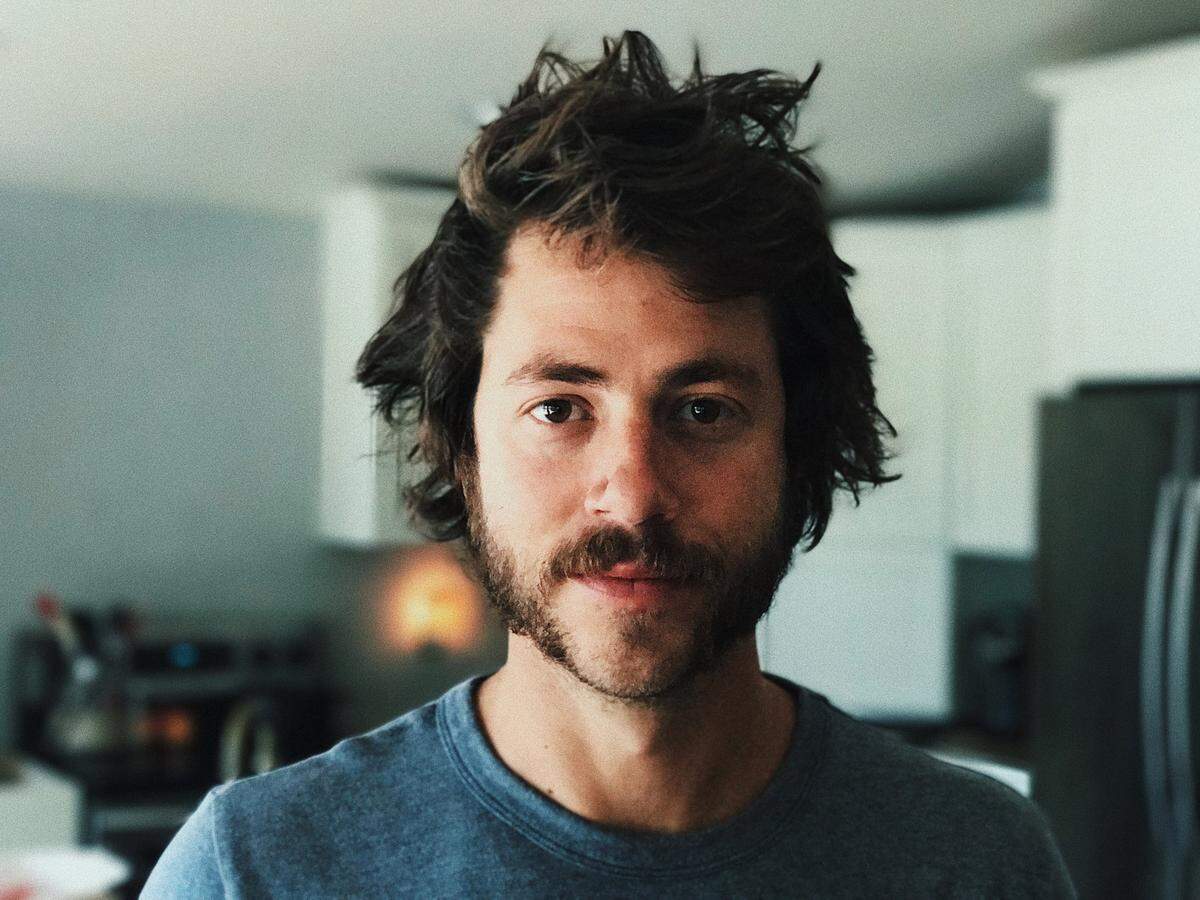
A Lake Lotawana lifer, 35-year-old Trevor Hawkins owns a house two doors down from his childhood home. The population of the eastern Jackson County lake community hasn’t changed much over the years — it has hovered around 2,000 since Hawkins was a boy — but the people have.
“I always thought of it as very wild and free, pretty middle class,” Hawkins said. “But we are now, weirdly, becoming more popular with people from Johnson County who come out and build these mega McMansions out here on the water. And that’s causing property values to go sky-high, which makes it harder to pay the taxes on your house and harder for people like my friends to buy houses here. It’s becoming…what’s that word?”
Gentrified?
“That’s it. But there’s still a lot of folks like me that live in little cabins out here. It’s interesting. Where we are, we’re unique, in that we have one foot in Kansas City and one foot in rural Missouri. It’s this sweet spot where you have this melting pot of characters.”
Hawkins explores some of those uneasy dynamics in “Lotawana,” his debut feature film, which last week hit Amazon Prime, Google Play and other video-on-demand streaming services.
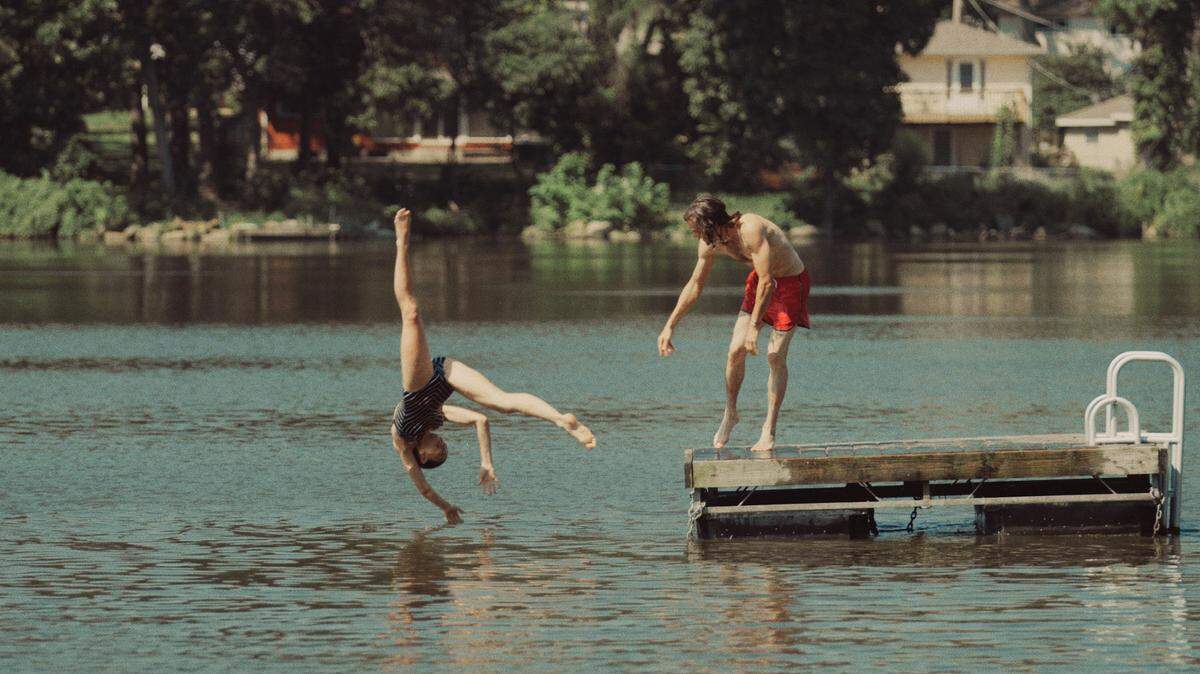
“Lotawana” follows Forrest and Everly (Todd Blubaugh and Nicola Collie), a young couple living on a sailboat at Lake Lotawana and trying to eke out a meaningful life outside the confines of modern society. The film is dreamlike, full of lush, golden-hour shots of water and nature and small moments, set to an original piano score by local musician Ryan Pinkston. Fans of Terrence Malick’s “The Tree of Life” will recognize a kindred spirit here.
“You could call this a love letter to Malick or a straight rip-off, whatever words you want to use,” Hawkins said, with a laugh. “He’s my favorite filmmaker.”
Hawkins got into filmmaking while in high school at Lee’s Summit North.
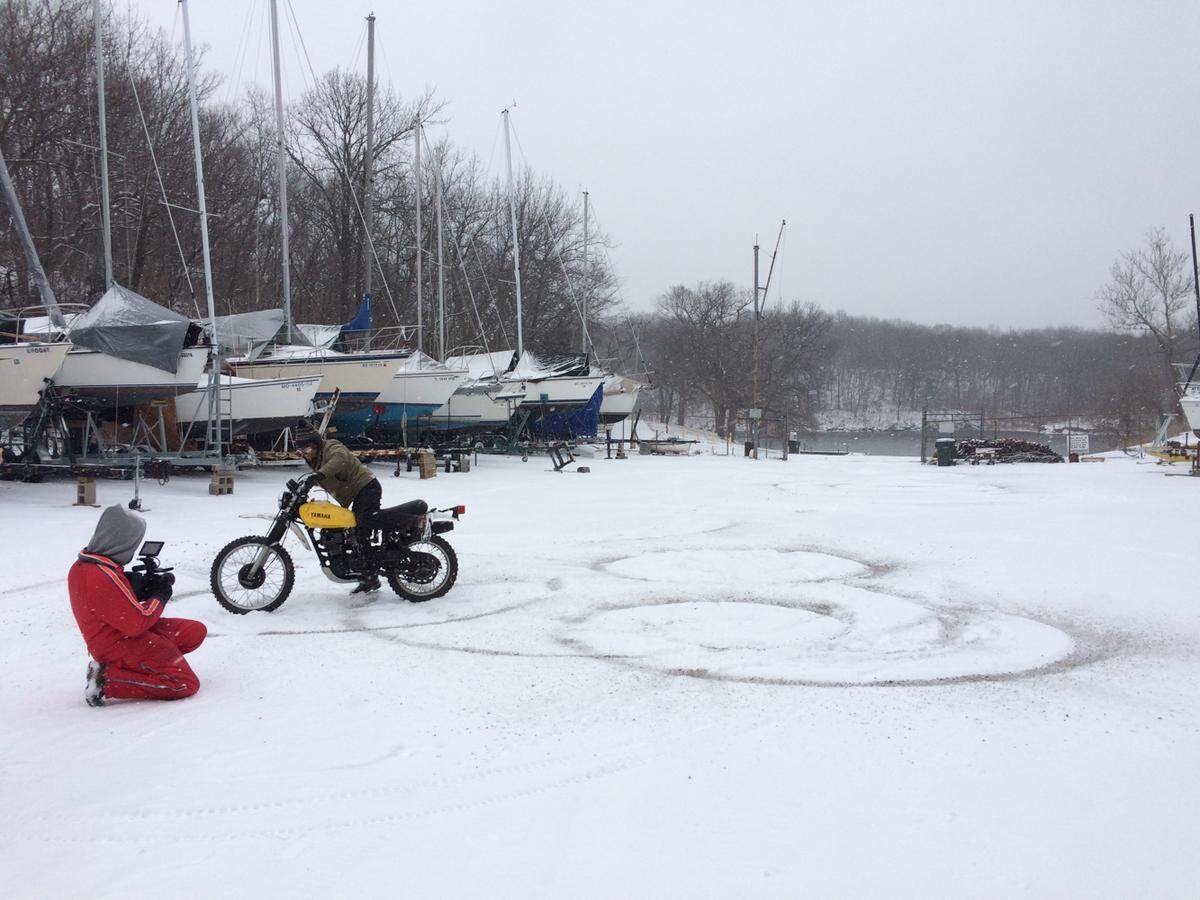
“We used to watch wakeboarding and skateboarding videos, and I was always more interested in how they filmed the videos than the tricks,” he said. “So then I started filming my buddies wakeboarding and skateboarding around the lake.”
Skateboarding is how Hawkins met Blubaugh, who grew up in Kansas City but later moved to California. Blubaugh wasn’t interested in acting, but Hawkins eventually convinced him to come back to the Midwest to play his lead role.
To make “Lotawana,” Hawkins had help from a crew of about a dozen friends, including the lead actors, who did everything from camera assistance to catching snakes for a scene.
The collaborative environment yielded more than just a movie: costars Blubaugh and Collie fell in love during the making of “Lotawana” and are still together. That’s a longer romance than you might expect: Shooting wrapped on “Lotawana” all the way back in 2015. Post-production took a few years, Hawkins said, and the original score took another. (Both Hawkins and “Lotawana” producer and assistant director Nathan Kincaid keep day jobs at RW2, a Kansas City-based production company.) Hawkins spent some time shopping it to big studios, but that didn’t pan out.
“They were like, ‘We love the movie, but we don’t know how to sell an indie film when you’re not famous and your two lead actors aren’t famous,’” he said.
Hawkins eventually cut 30 minutes out of the film, lined up a deal to self-release “Lotawana” on all the major streaming services, and as of February 3 everyone in America with an internet connection can stream it for three or four bucks.
Kansas Citians will note several local Easter eggs in the film: Boulevard beers, a callout to 101 The Fox, a Lone Jack gas station they might have passed on their way to the Lake of the Ozarks. All of “Lotawana” was shot in Missouri, but not all the lake scenes were shot on its namesake body of water; Hawkins availed himself of a couple of other lakes, including Table Rock Lake, and “a swimming hole somewhere in southeast Missouri” for various scenes.
In fact, Hawkins said, half of “Lotawana” was shot on Lake Jacomo, about two miles away. The reason for that would have been a major impediment to the film’s boat-dwelling main characters: The Lake Lotawana Association doesn’t allow boats with cabins on the water.
“They don’t want people living on their boats out here,” he said.