
Walt Disney got his start in this Kansas City spot. Here’s the plan to transform it
After 25 years of sputtering off-and-on progress, the effort to turn Walt Disney’s original Kansas City animation studio into a museum has taken on new life.
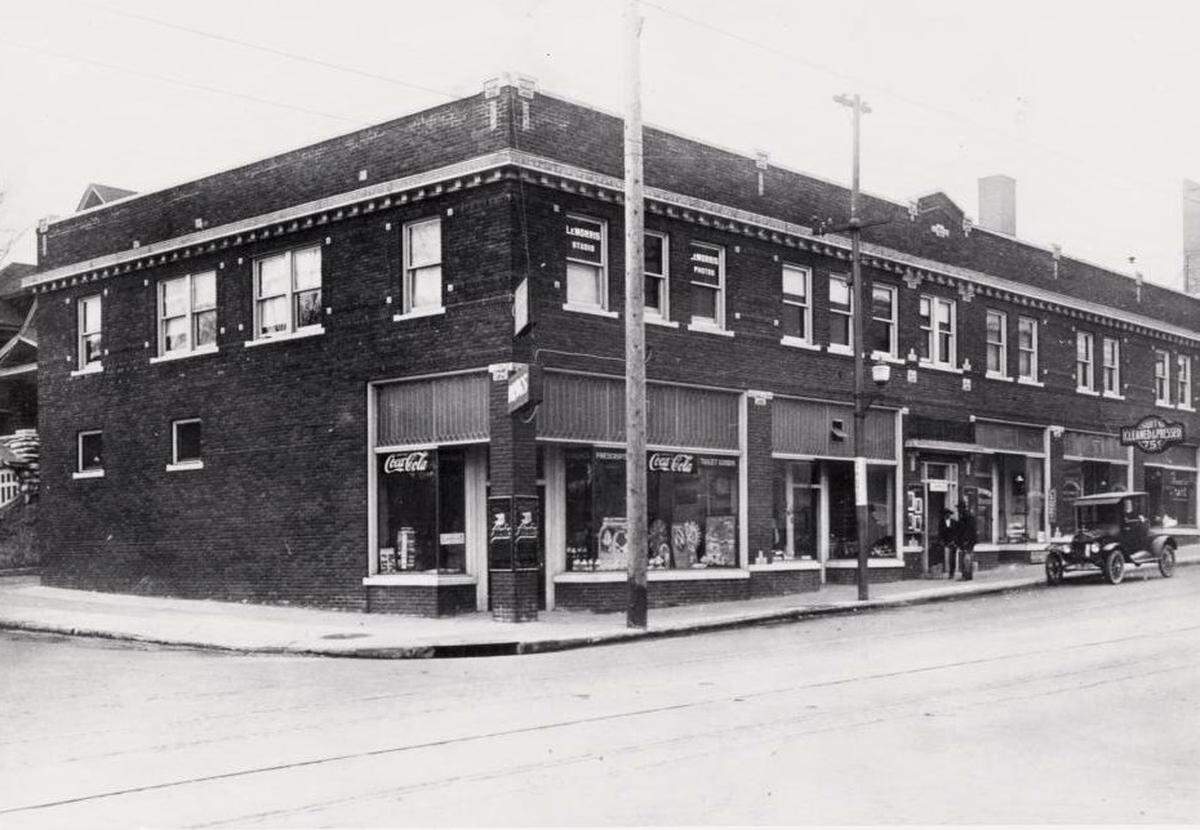
Thank You Walt Disney, the nonprofit devoted to highlighting Disney’s boyhood here and his contributions to entertainment, has released architectural plans for a $5.5 million renovation of the historic McConahy Building at 1127 E. 31st St., just a block east of Troost Avenue.
“Over the years I’ve developed a degree of cynicism about the project,” said Dan Viets, president of the group that purchased the collapsing structure in 1996.
The Columbia lawyer credited “Missouri mulishness” for his sticking with the project over nearly three decades.
“We’ve got a lot of good people with a lot of good intentions,” he said. “But we don’t yet have the sugar daddy with the money to make this happen.”
Nevertheless, the detailed plans for the physical structure, combined with an operational scheme that would rely on both nonprofit and for-profit entities, mark a high point for the long-gestating project.
Without a detailed architectural plan, the museum effort was at an impasse, according to Robert Riccardi of Gould Evans, the local architectural firm that undertook the design challenge on a deferred-payment basis.
His company, Riccardi said, “took a calculated risk on this exercise with this particular nonprofit group, given the character of the people involved … and the cultural importance of this project to our local history and beyond.”
Design plans
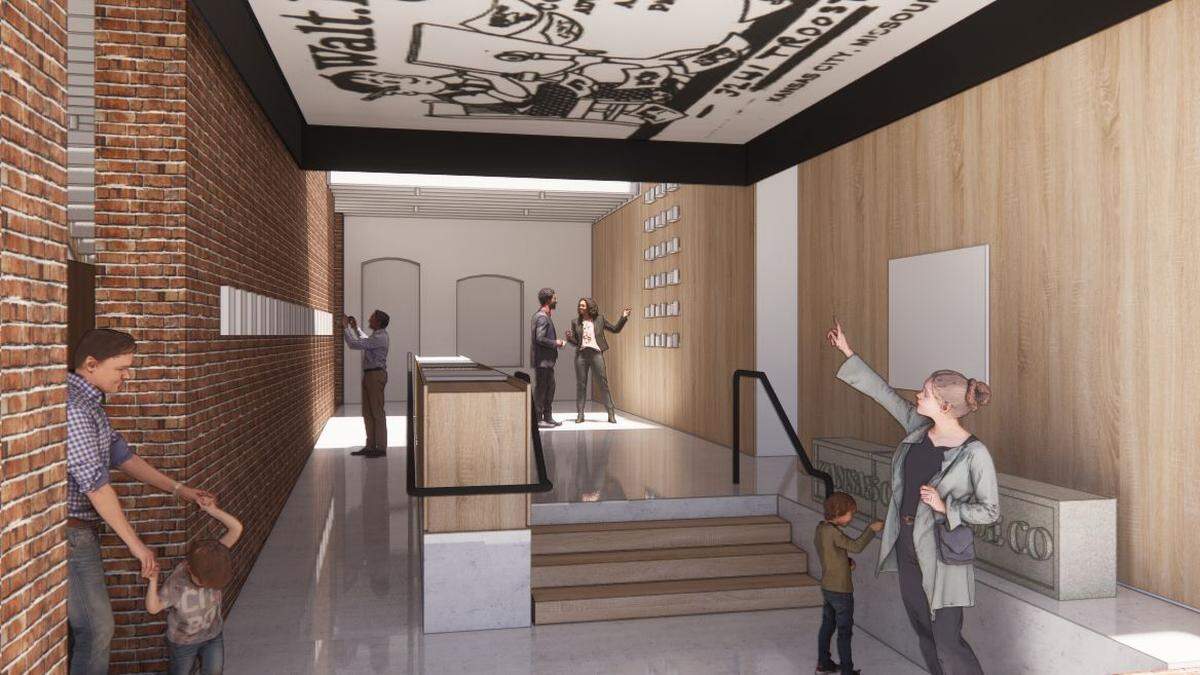
The Gould Evans plans envision a building that on the outside would closely resemble the way the structure looked in 1922-23, when Disney and a group of young artists and technicians began careers that would revolutionize the animation industry.
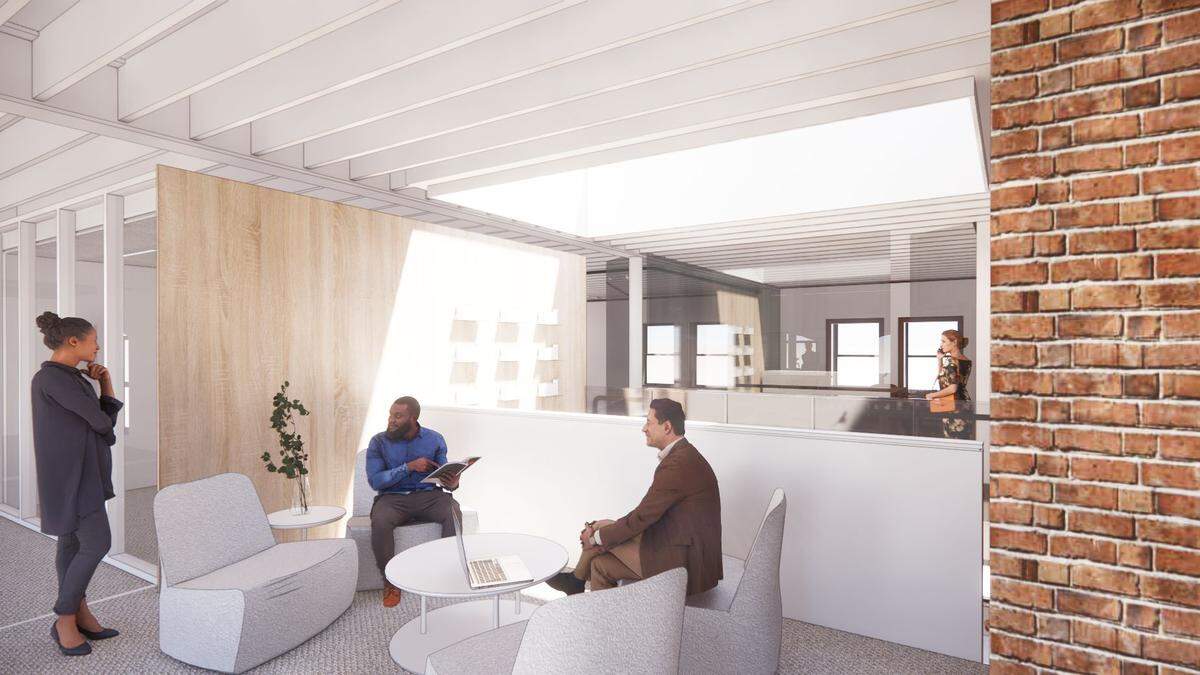
The building’s gutted interior, by contrast, would be thoroughly modernized.
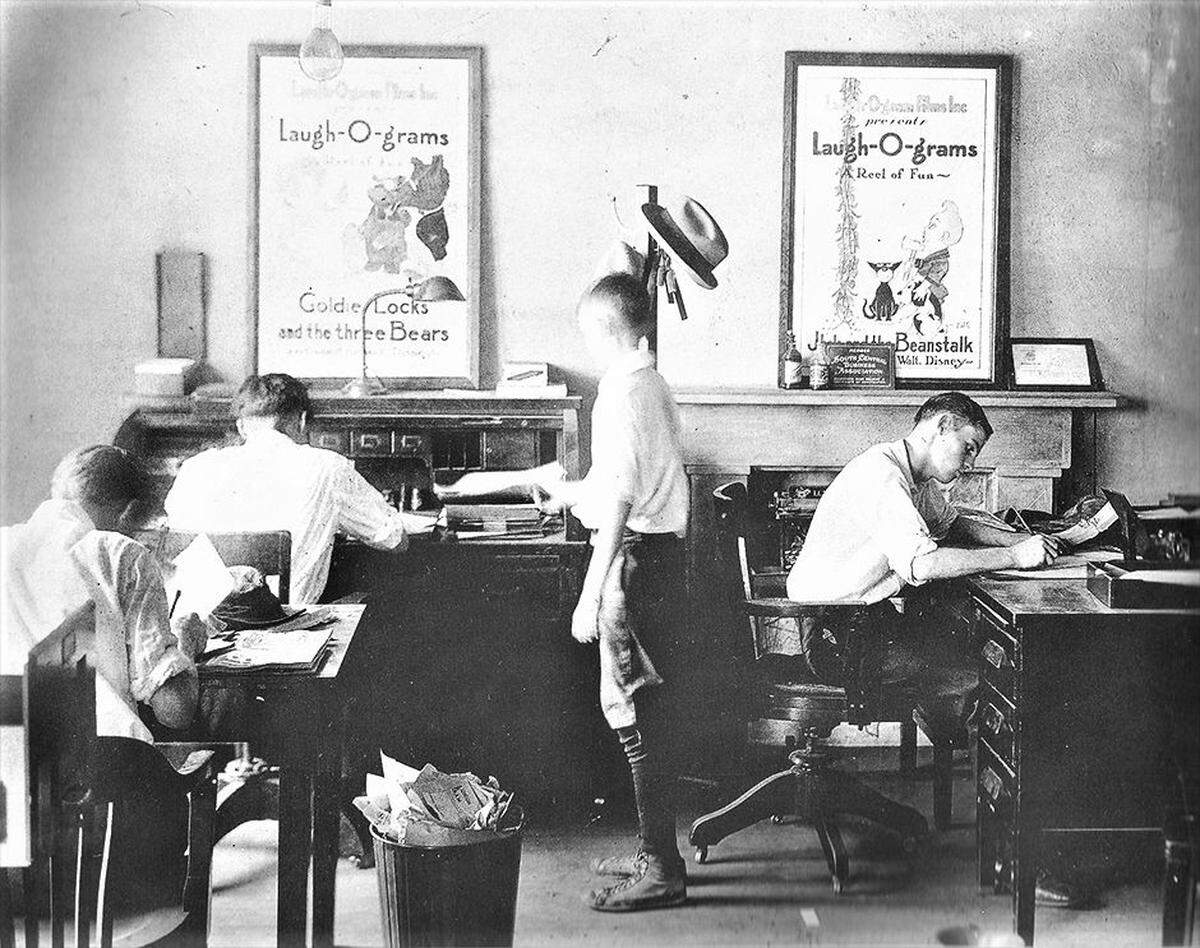
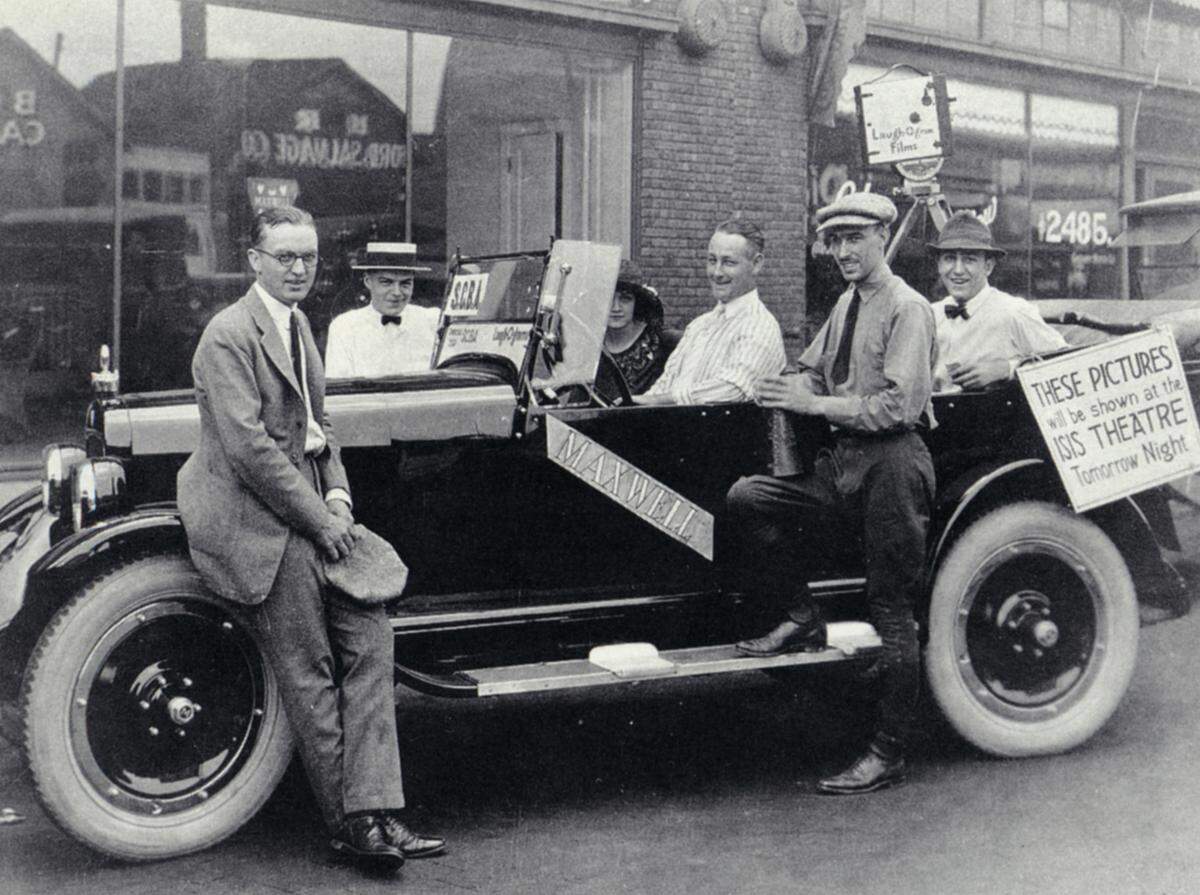
The only exceptions would be three second-story rooms which held Disney’s Laugh-O-gram Films operation; they will be restored to their original condition, using as a guide vintage photographs.
Disney memorabilia will be displayed on walls and in display cases throughout the building, sharing the space with leased work areas.
PlexPod, the local company that leases flexible office space around the Kansas City area, will manage the operation.
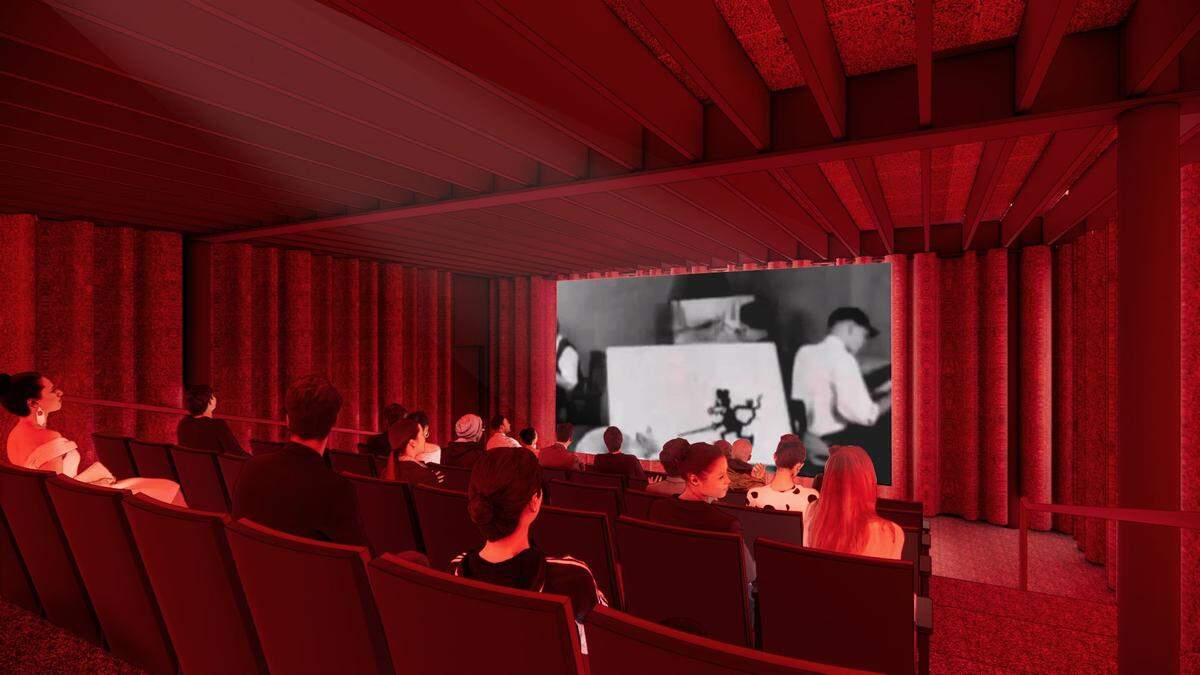
Plans also call for a commons area suitable for receptions, a 50-seat movie theater and a classroom/meeting room key to the building’s repurposing as an educational center for young people interested in learning about animation and digital media.
“It’s the ideal thing,” Butch Rigby, Thank You Walt Disney’s chairman, said of the proposal to have PlexPod run the operation. A major stumbling point over the years has been how a museum-only operation could remain financially viable.
“This is a small building,” Rigby said of the 10,000-square-foot structure, “not PlexPod’s usual footprint. But with this plan they can keep their tenants’ rent reasonable and maintain the building.”
Additional income would be generated by rentals of the theater and meeting rooms for seminars, company retreats, private receptions and other uses.
The building’s original architect, Nelle Peters, provided latter-day planners with “fantastic bones,” said Ryan Tetrow, the Gould Evans architect largely responsible for the new design.
“But 100 years of weather conditions have not been kind to the building,” he noted.
Tetrow cited numerous reinforcements — masonry bracing, new structural steel, a first-floor slab with four different elevations — that had been added over the years to stabilize the McConahy Building and which had to be somehow incorporated into a new design.
The goal, Tetrow said, was to as much as possible retain the building’s historic components while coming up with “new elements that strategically highlight the building’s one-of-a-kind Walt Disney story.”
His colleague Riccardi is particular proud of the design: “How cool is it that this building has the potential to be used for 12-plus hours a day — as a classroom in the morning to a screening room in the evening.”
Walt Disney’s legacy
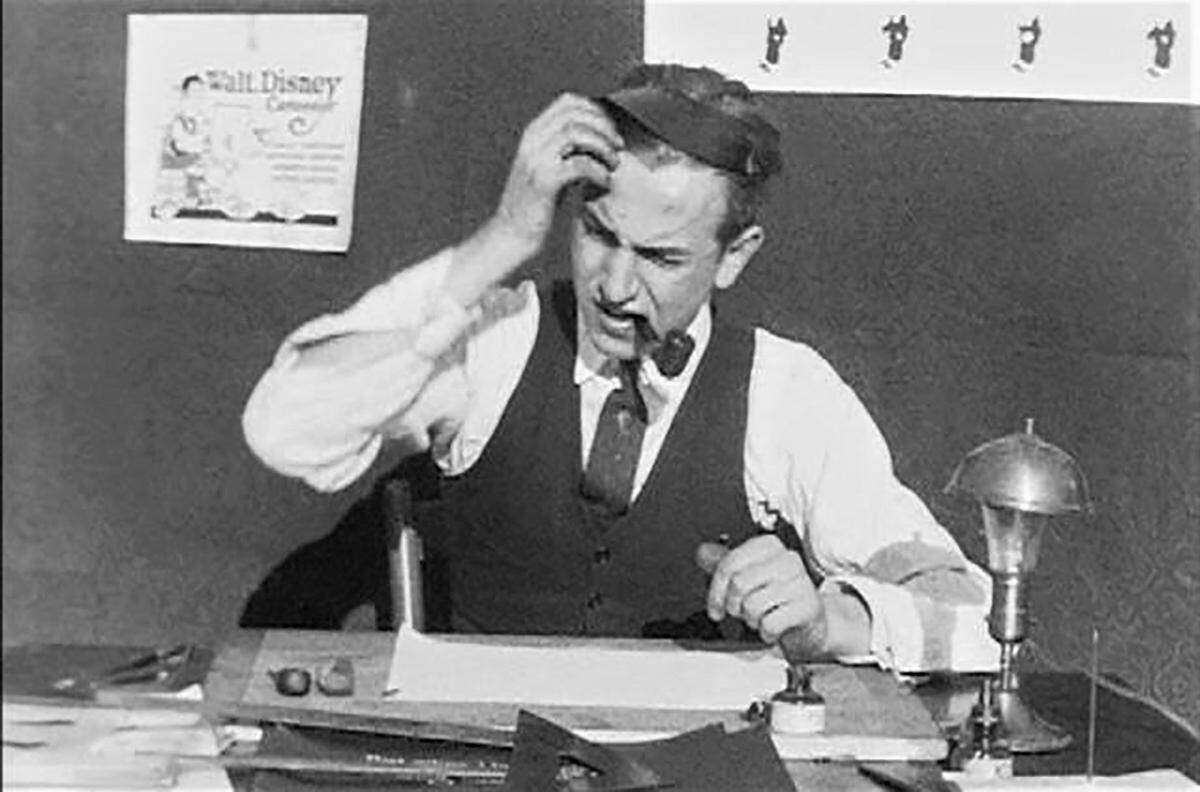
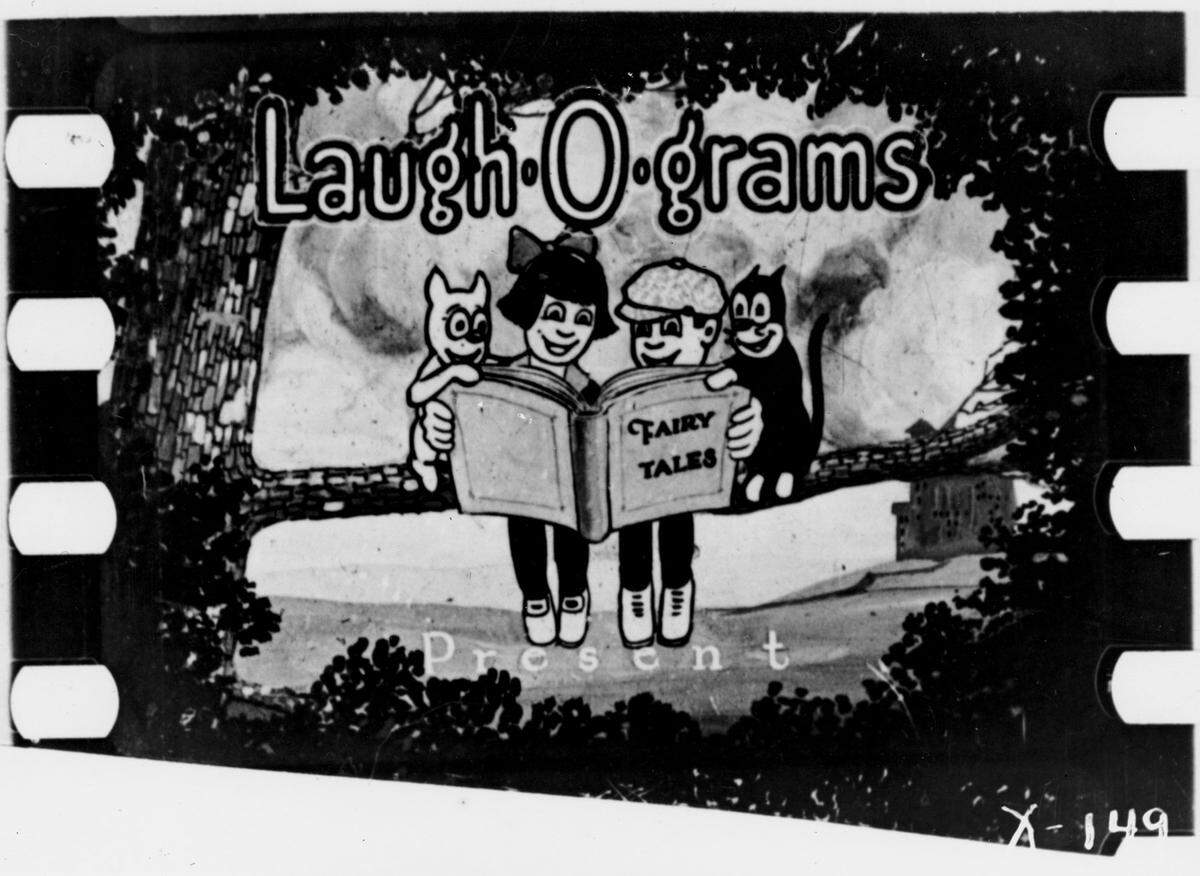
The importance of the Laugh-O-gram operation to the history of animation cannot be underestimated. Walt Disney — born in Chicago but reared in Marceline, Missouri, and then and Kansas City — was only 20 when he formed his company, which initially produced a series of silent shorts updating classic fairy tales.
At the time the bankrupt company closed its doors in 1923, Disney had not yet finished “Alice’s Wonderland,” the original film in his “Alice” series which placed a live-action girl in a cartoon world. After relocating to Hollywood, Disney produced nearly 50 “Alice” films.
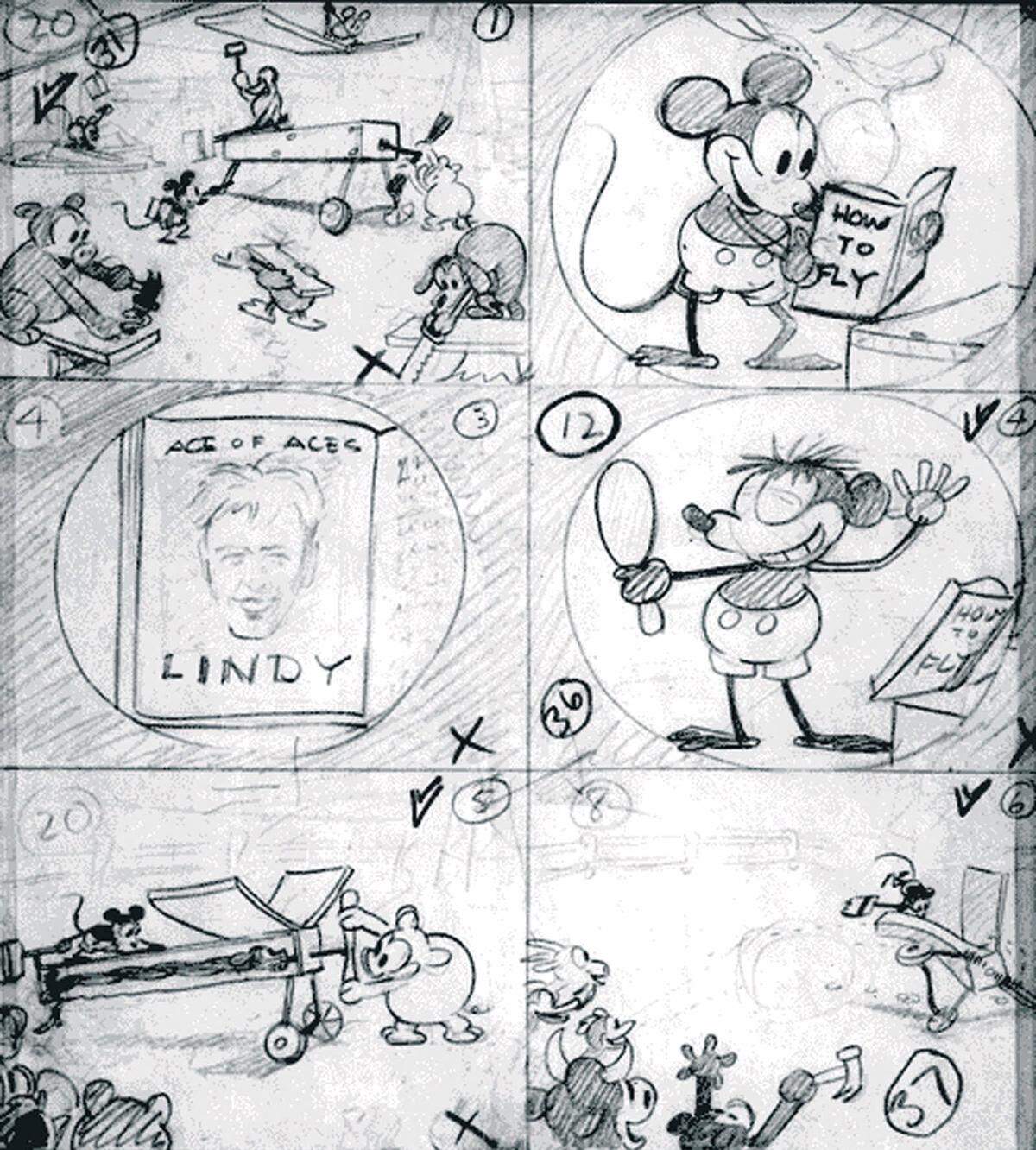
The Laugh-O-gram studio is particularly significant in the saga of Mickey Mouse, Disney’s most famous creation.
Throughout his career, Disney often recalled his final days in the Kansas City studio, which became his residence after he could no longer pay for a room in a boarding house. He often spoke of a mouse which he captured and trained; the creature provided companionship during the lonely final days of the Laugh-O-gram operation.
A few years later, when Disney needed inspiration for a new cartoon character, he remembered the tiny rodent, and Mickey Mouse was born.
Laugh-O-gram is also noteworthy for Disney employees — many of them teenagers when they joined him — who would follow him to California and become the backbone of the American animation industry.
Among them were Ub Iwerks (arguably the most important special effects and technology innovator in Hollywood during its Golden Era), and Friz Freling, Rudolph Ising, Hugh Harman and Joseph “Bugs” Hardaway, who at Warner Bros., MGM and other studios created and nurtured beloved cartoon characters like Daffy Duck, Tom and Jerry, Bugs Bunny, the Pink Panther, Porky Pig, Sylvester the Cat and Yosemite Sam.
The building’s future
The Laugh-O-gram project relies heavily on after-school programs, stop-motion animation training and digital media projects to be offered by DigiStory KC.
Ron Green, that nonprofit’s executive director, said his group hopes the completed project will include a booth for soundproof recording and a video editing suite.
Viets noted that the neighborhood has changed considerably from when the group purchased the empty shell of the McConahy building. (The structure was listed on the National Register of Historic Places in 1978.)
“Today the Troost Corridor is blossoming,” he said. “Developers are putting serious money into rehabilitating Troost between Linwood and 31st.”
He noted that just two blocks away, a former muffler shop is becoming the Ignition Lab, which will offer after-school training programs. Kansas City Chiefs tight end Travis Kelce is a major financial backer of that effort.
Whether the Laugh-O-gram plans come to fruition will depend upon the success of fundraising efforts over the next year. Donations can be made through the group’s web site at thankyouwaltdisney.org.
In the meantime, the group will employ $160,000 provided by the Kansas City Economic Development Corp.’s Tax Increment Financing Commission, combined with $153,000 left over from a Disney Family Foundation grant, to start work on the building’s facade.
While not interfering with the plans for a Kansas City museum honoring Disney, the Walt Disney Co. has declined to provide financial support. Walt Disney’s daughter, the late Diane Disney Miller, was largely responsible for Thank You Walt Disney receiving a $450,000 grant in 2000 from the family.
Rigby said he hoped funding could be raised and construction initiated in time for the facility to open in 2023, the centennial of when Walt Disney left Kansas City for Los Angeles and became a legend.
Robert W. Butler is The Star’s former movie critic and co-author, with Dan Viets and Brian Burnes, of “Walt Disney’s Missouri: The Roots of a Creative Genius.”