
HBO movie profiles 4 Kansas City transgender kids. They’re bracing for the publicity
The opening of “Transhood” proclaims: “Every transgender journey is unique.”
But those journeys also have much in common: doubt, fear, hostility. Fortunately, hope is also part of the equation.
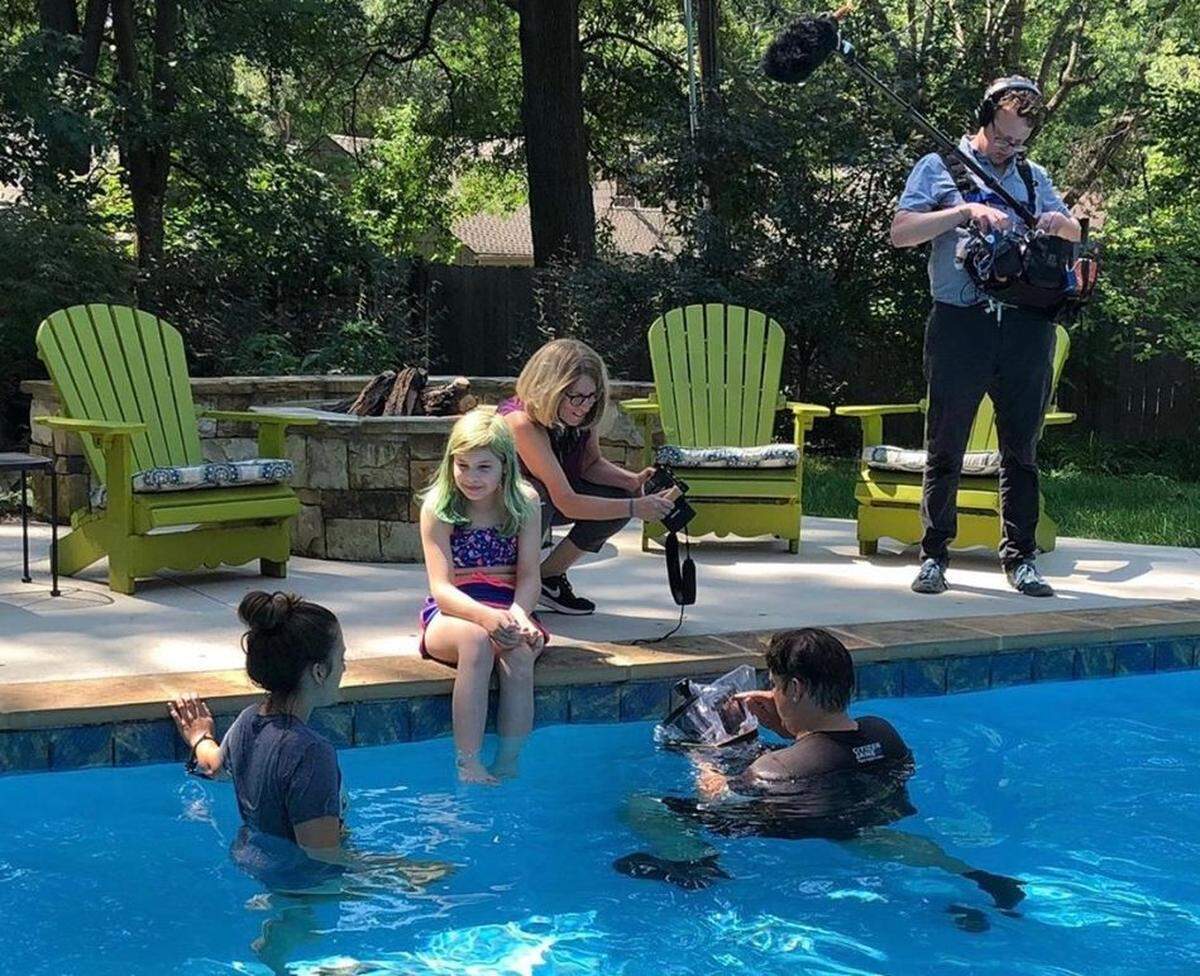
That’s all revealed in the new HBO movie created by Overland Park filmmaker Sharon Liese. Shot over five years in the Kansas City area, “Transhood” follows four children — starting at ages 4, 7, 12 and 15 — as they navigate emotional, social and sometimes physical transitions.
“Some people see themselves in these stories. Some people learn about kids who go to their school, and some learn about what their own kids may be going through,” Liese says. “I hope this really opens up the eyes of many viewers.”
Liese may be best known for directing the CNN short “The Gnomist,” about some “magic” created on an Overland Park walking trail, and co-creating the CBS series “Pink Collar Crimes,” which included a segment on a Kansas City woman jailed in a murder-for-hire plot.
Now, “Transhood” will debut at 8 p.m. Thursday, Nov. 12.
“That’s a dream for me as a filmmaker,” she says, “to have an HBO documentary.”
The film serves as a kickoff to Transgender Awareness Week (Nov. 13-19).
“It’s important to have a time when we focus on trans issues and making trans lives and voices more visible. Awareness Week every year has gained more and more visibility, and especially right now — depending on the election — it’s going to be even more crucial,” Liese says in a late-October interview.\
Kansas City area kids
Liese developed a special bond with the families she spent half a decade documenting.
“I got close to all of them in very different ways,” she says.
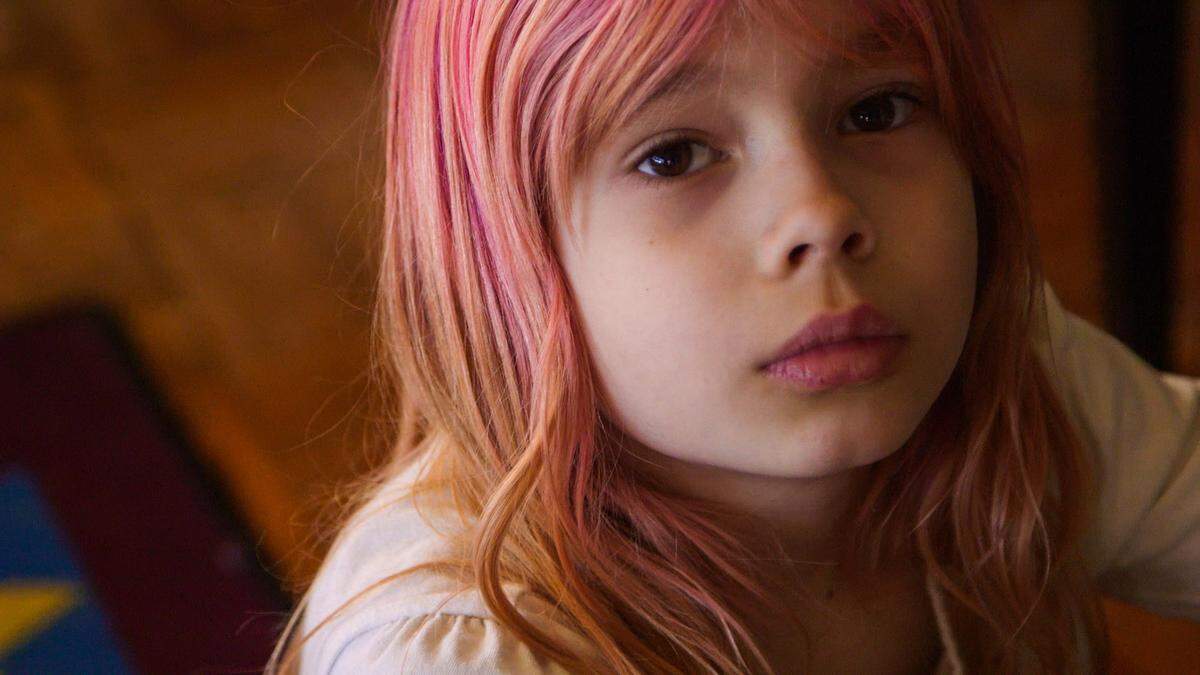
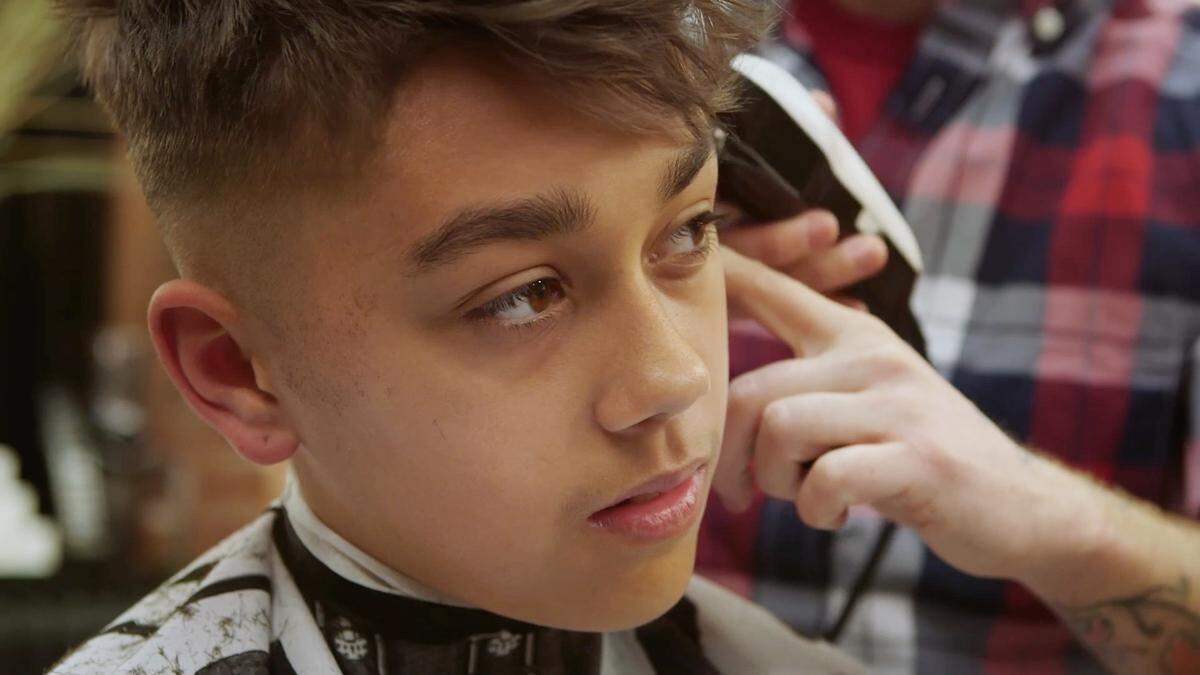
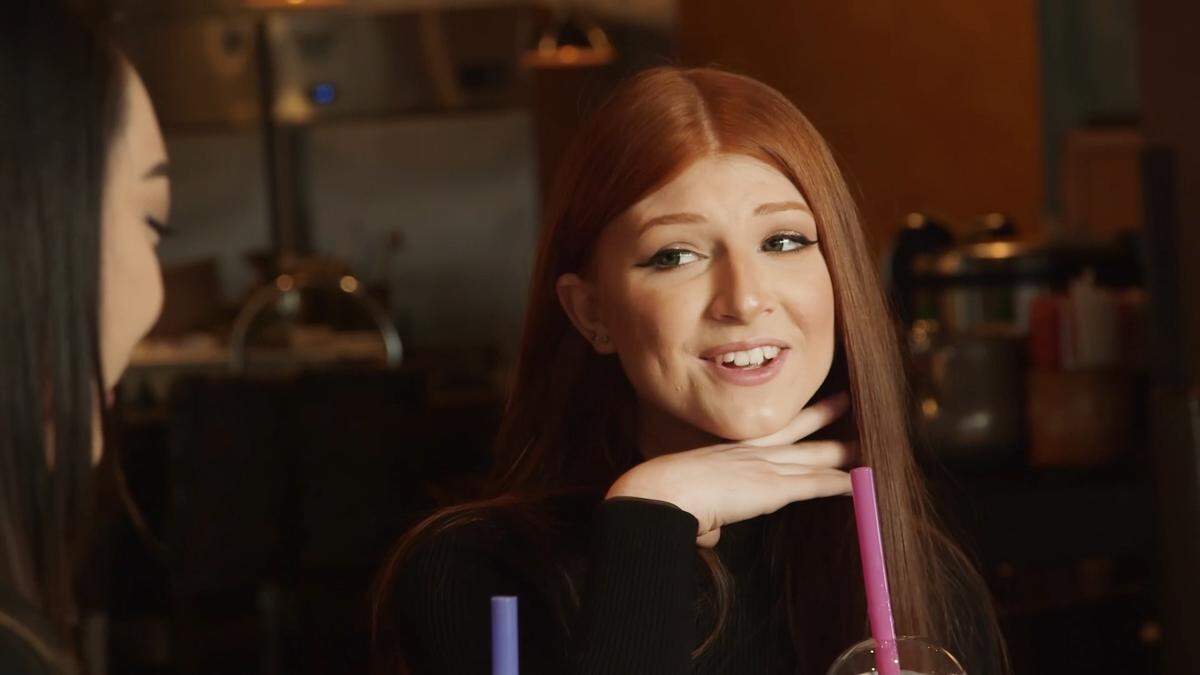
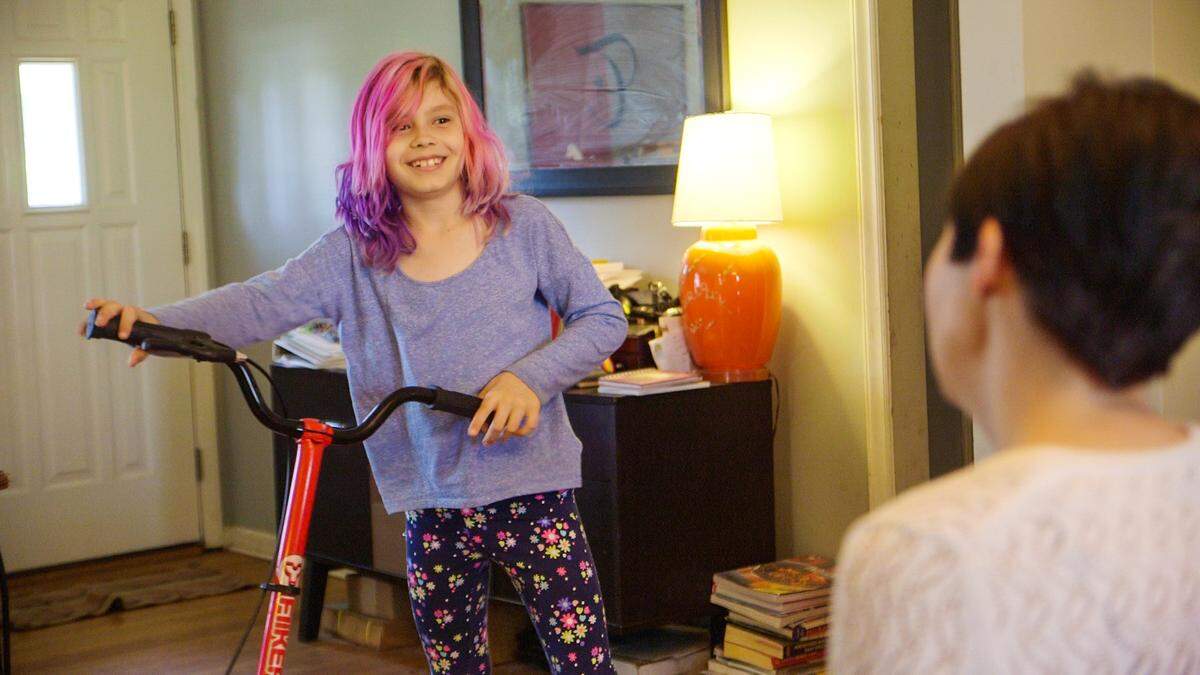
Her subjects include Jay, a 12-year-old trans boy who has kept his assigned birth gender secret from schoolmates … and his girlfriend; the aspiring fashion model Leena, whose confidence is echoed by the unwavering support of her parents; and Phoenix, a 4-year-old whose gender proves as malleable as his/her parents’ acceptance of it.
The most high-profile is Avery, a preteen girl who was profiled in The Star in 2014 and, two years later, became the first trans person to grace the cover of National Geographic, generating a passionate worldwide response from both supporters and haters.
Avery’s “unique journey” began early, says her mother, Debi Jackson.
“There are very few kids who at the age of 3 tell their parents, ‘You’re wrong. I’m not a boy, I’m a girl,’” recalls Jackson, who lives in south Kansas City.
“We were lucky in that she was so direct and so insistent. Even several years ago, young kids were not really being supported in transition. There was ‘watchful waiting,’ which was the term a lot of doctors, pediatricians and therapists recommended. Yet we found people who had worked with enough adults throughout their careers who said, ‘I’m transitioning now as an adult, but I knew when I was 3 or 4.’”
Unlike the other families featured in “Transhood,” Jackson has already experienced the ups and downs of fame. She is not expecting that her or Avery’s life will change much once the show airs.
But she is concerned how it will affect the movie’s other families.
“There will be so much love and adoration and support for our kids. People will applaud the film and say, ‘This is helping me talk to my family, helping me talk to my clergy, to my school,’” Jackson says.
“At the same time, there are those who just like to torment, and they spend their free time — and their brilliant IT skills — stalking people, trying to dig up everything on you and sending messages. They want to see if they can get under your skin. It’s like a sport, and I do worry about some of that happening and people not being quite ready for it.”
Changing politics
Filming on “Transhood” began during the tail end of the Obama administration. How much worse did it get for trans families under Trump?
“It’s hard to put a figure to it, a percentage, a number or anything, but it’s phenomenally harder,” Jackson says.
“Kids had just started to get support that they desperately need in schools. The Title IX guidelines had been updated to include trans students during the Obama administration. That was one of the first things this administration undid, and it left so many schools saying, ‘We know we want to support these kids, but now we’re not sure if we’re allowed to.’”
She notes that many older trans youth saw their dreams of being in the military taken away, which also kept them from using this route to pay for college. Most recently, Section 1557 of the Affordable Care Act that prohibits discrimination was reversed to now exclude trans patients. (This gives health care providers legal permission to use religion or any other objection to deny services to LGBT people.)
“It’s affected a lot of everyday basic rights that most people take for granted,” Jackson says.
Liese agrees, adding, “When I started the film, part of my perspective was, ‘Wow, this is the time to make a film about transgender folks because the world is changing for the better.’ Then the rug got pulled out from underneath me and from underneath them, especially, when the administration changed. Everything that seemed to be gaining momentum and moving in a positive direction came to a halt. It became really scary.”
While the overall political climate introduced its own set of obstacles, Liese found her personal mission to be equally challenging.
“My primary goal was doing right by the kids and their families,” she says.
“They were entrusting me with their most intimate stories. I wanted to honor that. I don’t have ‘lived experience’ as a transgender person, so I needed to listen really well. I needed to understand the best way to tell an authentic story that would be accepted and embraced by the trans community.”
A deal with HBO
Liese conceived the project as a feature-length documentary, although she flirted with several development offers that envisioned it as a TV series. She eventually partnered with BMP Films, the production company named for Mary-Ellis Bunim and Jonathan Murray, creators of the seminal reality show “The Real World.”
This led to a deal with HBO when about half of the footage was in the can. Nearly three years later, she’s excited the exhausting shoot is finally ready for public consumption.
She is pleased the company is not only distributing the film throughout all its platforms but is planning a robust resource page on its website for children and families. When the film premieres, HBO will also release a “Culture Closeup” featurette that contextualizes some of the issues raised onscreen.
.jpeg "SharonLiese(1.7MB).jpeg")
As a filmmaker, Liese admits it takes “crazy obsessive discipline” to undertake a five-year endeavor such as this. Some may interpret the film’s title as a nod to “Boyhood,” the Oscar-nominated feature film that followed its child actor for a dozen years.
“Part of telling the story when making a documentary is figuring out where you cut it off. Just because we stopped filming, the story doesn’t stop. Finding that spot is tough, and that line kept moving,” Liese says.
Thankfully, a concrete deadline materialized.
“It was the delivery date to HBO. If they didn’t say, ‘Here’s the day you have to deliver it by,’ it’s possible I could still be shooting,” she says, laughing. In the end, she distilled her five years of footage down to a one hour, 36 minute film.
Liese anticipates this ambitious project will appeal to both the hearts and minds of viewers, especially those who may not know any transgender individuals personally.
“I hope this film is disarming to them, and they see how funny and charming and resilient and incredible these kids are,” she says. “When there’s an opportunity for them to be supportive in terms of equality and equal rights, I hope they remember these kids. As Avery says, ‘We’re all just human.’”
Avery’s mom concurs.
“I think viewers will respond to ‘Transhood’ positively and say, ‘I had no idea people like this existed in my community.’ I think they’re going to fall in love with the kids. They’ll also be upset at how children were hurt by the actions of other people in their lives or communities,” Jackson says.
“And they’re going to say, ‘Enough is enough. Kids deserve better.’”
Jon Niccum is a filmmaker, freelance writer and author of “The Worst Gig: From Psycho Fans to Stage Riots, Famous Musicians Tell All.”
This story was originally published November 8, 2020 at 5:00 AM.