Having trouble finding a prep course that will actually help you pass the LSAT?
You’re not alone.
In the 2024–2025 cycle, 176,718 students registered for the LSAT. With competition like that, standing out is not optional, and the LSAT prep course you choose can make or break your score.
When people talk about LSAT prep, Blueprint and Princeton Review usually come up. They both have solid track records, but they couldn’t feel more different in how they teach.
When I tested them, the difference was clear. In this guide, I’ll break down how the two compare so you can figure out which LSAT prep fits your style and helps you reach your goals.
Princeton Review or Blueprint: Which LSAT Course Fits Your Learning Style?
- If you’re a visual learner who prefers engaging video lessons and a user-friendly experience, Blueprint is the stronger choice.
- If you like structured live classes with direct instructor access, the Princeton Review LSAT course might suit you.
- If you want full-length practice exams and a personalized study plan that adapts automatically, Blueprint delivers both.
- If private tutoring is your top priority, Princeton Review offers that option, though in a more traditional format.
- If you’re looking for the best balance of modern design and flexibility, Blueprint has the edge for most students.
Quick Take: Blueprint vs Princeton Review
Choosing between Blueprint and Princeton Review goes beyond big names. The real question is which LSAT prep course will keep you motivated when you’re tired, busy, and squeezing in study sessions after everything else on your plate.
When I tried both, I didn’t care about who had the flashiest sales pitch. I wanted to know which one would keep me consistent and confident heading into test day.
Blueprint feels built for today: fast, visual lessons, an adaptive schedule that adjusts when you fall behind, and a platform that doesn’t feel like homework. It made studying feel doable, even in short bursts. The Princeton Review felt very different. It’s structured, instructor-led, and packed with assignments. That accountability is valuable if you like being told exactly what to do, but the trade-off is less flexibility and a setup that reminded me more of a traditional classroom.
Both are respected names in LSAT prep, but which one will actually help you hit your target score based on your personal needs? Let’s break it down.
Blueprint LSAT: Modern and Engaging

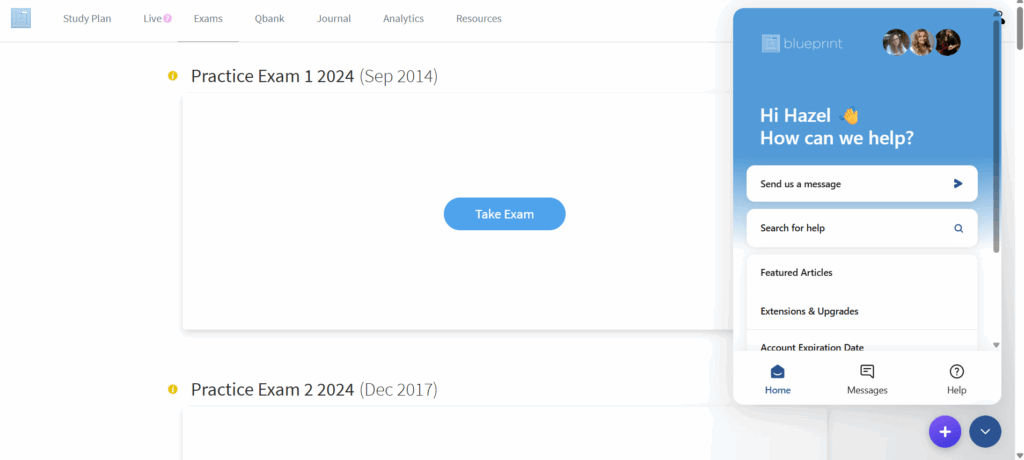
Blueprint launched in 2005 with one goal: to make LSAT prep less boring. When I tested it, it felt fresh compared to other LSAT prep courses. Instead of endless text and drills, Blueprint hooked me with animated video lessons. Topics that used to feel impossible suddenly clicked because the visuals broke everything down step by step. The study plan tool was another win. I entered my test date, and it instantly generated a realistic schedule. Miss a day? No problem, it adjusted automatically. That flexibility kept me moving without the stress of falling behind.

One Trustpilot User shared: “Townes and Jacob were the most amazing instructors. Studying for the LSAT sucks, but I genuinely looked forward to coming to class purely because they were so fantastic. They somehow were able to make classes seem fun, personal, and friendly…”.
As a visual learner, Blueprint felt especially effective. The dashboard is clean, quizzes launch quickly, and the mobile app works seamlessly during short breaks. Compared to the old-school setup of other LSAT prep courses, Blueprint comes across as modern, clear, and genuinely easier to stick with. For students who need graphic visuals or are busy and on the go, Blueprint is hard to beat.
Blueprint LSAT Package Options
- Self-Paced Course: 60+ modules, 6,000+ practice questions, and a personalized study plan.
- Live Online Course (Most Popular): Real-time instruction with 99th-percentile instructors and unlimited access to live review sessions.
- 170+ Course: Intensive prep with two expert instructors, a dedicated community, and a 170+ score increase guarantee.
- Private Tutoring: One-on-one sessions with top instructors and complete study materials.
Best for visual learners who want flexibility, adaptive tools, and a prep course that fits their study schedule.

Blueprint LSAT Course Essentials
- 7,000+ official LSAT questions with expert explanations
- 150+ hours of engaging, animated video lessons
- Personalized study plan that adapts automatically
- 57+ full-length practice exams with proctoring options
- Unlimited live review sessions and Q&A with instructors
- Access to Blueprint’s LSAT Discord community
Pros
- Engaging Video Lessons: The animations actually made complex concepts click for me instead of feeling overwhelming.
- Adaptive Study Plan: I liked how it adjusted automatically when I missed a day, which kept me from stressing.
- Modern Platform: The dashboard felt clean, and the mobile app made it easy to sneak in study time on the go.
- Plenty of Practice Exams: I appreciated having 57+ full-length tests with proctoring, since it made practice feel closer to the real LSAT.
- Unlimited Live Reviews: Being able to drop into extra review sessions gave me backup support whenever I got stuck.
Cons
- Less Emphasis on Live Classes: Live options exist, but in my experience, Blueprint shines most as a self-paced course.
Blueprint LSAT Review
Blueprint LSAT: Real Student Stories
I came across a Reddit thread that really shows how Blueprint LSAT practice exams can shape the learning process. One student had just taken a free diagnostic test and shared:
“So I just took an LSAT practice off of Blueprint! Really helpful and it was a nice way to see where I am. I took it without studying. I got a 137. It’s a low score but I’m still pretty optimistic because as I stated before this was me going in not having studied and not really knowing what to expect!…”
Another student, Gab678has, replied with:
“You got this! I got the same score on my diagnostic test when I first started studying for the LSAT, now I attend one of your goal schools…”
Princeton Review LSAT: Structured and Traditional

Princeton Review has been in test prep for decades, and its LSAT program leans on what it does best: structured live classes, tutoring, and plenty of homework. When I tested it, the live sessions were beneficial. Having an instructor walk us through questions and assign follow-ups gave me accountability, which I sometimes miss when studying solo. Asking questions in real time was helpful, especially when a tricky question type came up.
The trade-off is that the platform feels dated compared to Blueprint. Navigation wasn’t as smooth, and lessons relied more on text explanations than engaging videos. The teaching was solid, but the pace dragged, and interaction was limited.
If you want structure, deadlines, and classroom-style learning, Princeton Review delivers. But if you’d rather have a flexible, modern platform that adapts to your pace, Blueprint is the stronger pick.
Princeton Review LSAT Package Options
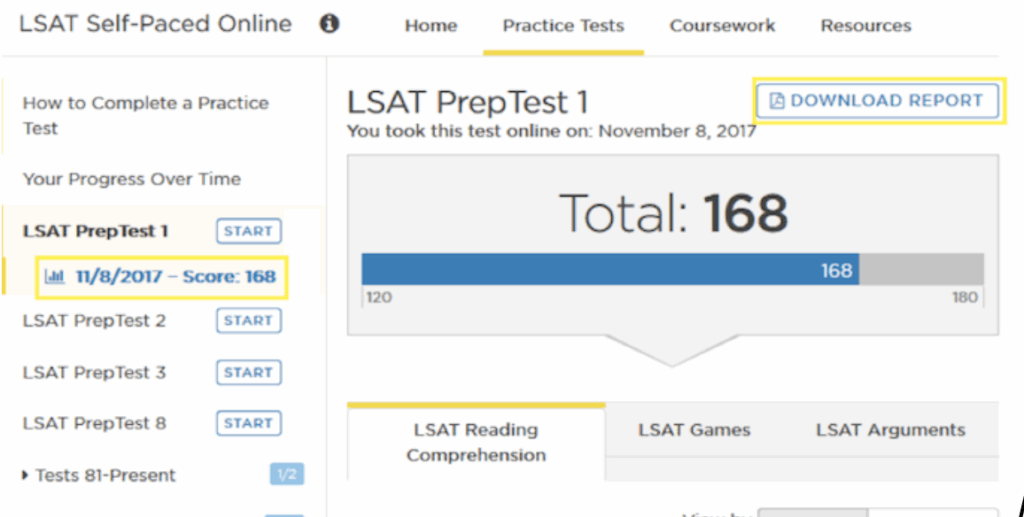
- Fundamentals: 30 hours of live classes, homework, and 90+ practice tests.
- Self-Paced: 150+ hours of video lessons, 1,800+ study materials, and one year of access.
- 170+ Immersion: 130+ hours of live classes, workshops, and a 170+ score guarantee.
- Private Tutoring: Personalized sessions with instructors and access to all study materials.
Best for students who want structure, live classes, and tutoring with direct access to instructors.
“I did the 24 hour tutoring package with Princeton Review and I have no complaints about it. I’m unsure how the other courses are administered but I really enjoyed working 1 on 1 with my tutor…”
Reddit user.
Princeton Review LSAT Course Essentials
- 130+ hours of live expert instruction
- 150+ hours of recorded video lessons and online content
- 90+ official LSAT practice tests through LawHub
- Detailed homework and answer explanations
- Score increase and satisfaction guarantees
Pros
- Structured Live Classes: When I sat in, the fixed schedule and steady pace really did keep me accountable.
- Private Tutoring: The one-on-one option is solid if you want someone walking you through tough spots.
- Proven Experience: Princeton Review has been in test prep for decades, and you can feel that structure in the way the course is built.
Cons
- Outdated Platform: Compared to Blueprint, the interface felt clunky and not as easy to navigate.
- Heavier Workload: There was a lot more reading and homework, and I found myself wishing for more engaging video lessons.
Princeton Review LSAT
“Pretty decent… I felt like the course was well-organized, and I felt like I learned a lot while getting ready for the LSAT.”
Student Feedback.
Princeton Review vs Blueprint LSAT Feature Comparison
| Feature |  | |
|---|---|---|
| Price | $99-$2,699 | $167-$3,999 |
| Course Access |  Flexible access options |  Expires after 1 year |
| Practice Questions | 7,000+ | 8,000+ |
| Full Length Practice Exams | 57+ | 90+ |
| Video Lessons | 150+ engaging animated lessons | ⚠️ 150+ hours, less interactive |
| Live Classes | 30-60 hours depending on package | 30–130 hours depending on package |
| Personalized Study Plan | Adaptive and auto-adjusting | ⚠️ Fixed homework schedules |
| Mobile App | Modern, easy-to-use | ⚠️ Available, less optimized |
| Paper Text Books | No printed prep books | 1,800+ pages + prep books |
| Student Support | Unlimited live review sessions, chat/email | Direct instructor access in live classes |
| Score Increase Guarantee | Included | Included |
Why Choose Blueprint or Princeton Review?
When I used Blueprint, it felt built for people who actually have a life outside of LSAT prep. Quick, animated lessons, a study plan that adjusts when you fall behind, and an app that works anywhere made studying less of a grind and more like steady progress.
With Princeton Review, the vibe was totally different. Think scheduled classes, homework, and an instructor steering the ship. I did like the real-time feedback, but the trade-off was giving up flexibility.
Bottom line: Blueprint is sharper, faster, and easier to stick with. Princeton Review is slower but more hands-on.
Next, I’ll lay out how each course stacks up on content, tech, value, and support so you can see not just which one wins overall, but which one actually fits the way you study.
Course Style and Structure
- 🆚 Blueprint gives you control. Self-paced modules, adaptive quizzes, and clear video walkthroughs let you focus on weak spots. I liked retaking quizzes instantly to check if I really understood.
- 🆚 Princeton Review feels more like a classroom. Fixed schedules, homework, and instructor pacing keep you accountable, helpful if you like structure, limiting if you don’t.
Winner: Blueprint for flexibility and a modern platform.
Video and Tech Experience
- 🆚 Blueprint’s videos are the standout: animated, engaging, and easy to follow. The app made it simple to study in short bursts, even on my phone.
- 🆚 Princeton Review’s tech is solid but traditional. Videos exist, but text explanations and live lectures do most of the work.
Winner: Blueprint for more engaging and user-friendly.
Overall Value
- 🆚 Blueprint promises a higher score guarantee that feels stronger, and the platform makes studying less of a grind. The design is cleaner, the study plan is adaptive, and the videos keep you motivated, all of which add up to better long-term value.
- 🆚 Princeton Review does offer strong tutoring options, which can be helpful if you need one-on-one guidance. Still, the overall package feels more traditional and less streamlined than Blueprint.
Winner: Blueprint with stronger guarantees, a smoother experience, and better overall value for most students.
Student Support
- 🆚 Blueprint offers chat and email support with flexible access windows. Convenient, but not highly personal.
- 🆚 Princeton Review excels in live support. Asking questions in real time during class made me feel more confident.
The Winner: Princeton Review for direct instructor access.
My Final Verdict
After trying both, Blueprint stood out more for me. The platform feels modern, the video lessons make studying less of a drag, and the adaptive study plan takes away the stress of always figuring out what to do next. That kind of support makes it easier to stay consistent, which is half the battle with LSAT prep.
The Princeton Review has its strengths, too. The live classes bring accountability, and having an instructor ready to answer questions in real time can help if you learn best in a structured setup.
In the end, both can improve your LSAT score. But if you want prep that feels built for today’s students, flexible, visual, and motivating, then Blueprint is your best bet.
FAQs
Yes, for most students, the Blueprint LSAT program is worth purchasing, especially if you learn best with visuals and want a flexible, tech-friendly platform.
Blueprint includes over 7,000 official LSAT questions, all with detailed explanations and the ability to build custom quizzes.
Yes, Blueprint for LSAT has lots of engaging video lessons that make complex concepts easier to understand.
Yes. Blueprint offers tutoring for those looking to pass the LSAT.
Yes. Every Blueprint package includes a score increase guarantee, and the 170+ course even offers a 170+ guarantee for students aiming for top scores.