
Johnson County is changing. Time for a serious conversation about affordable housing
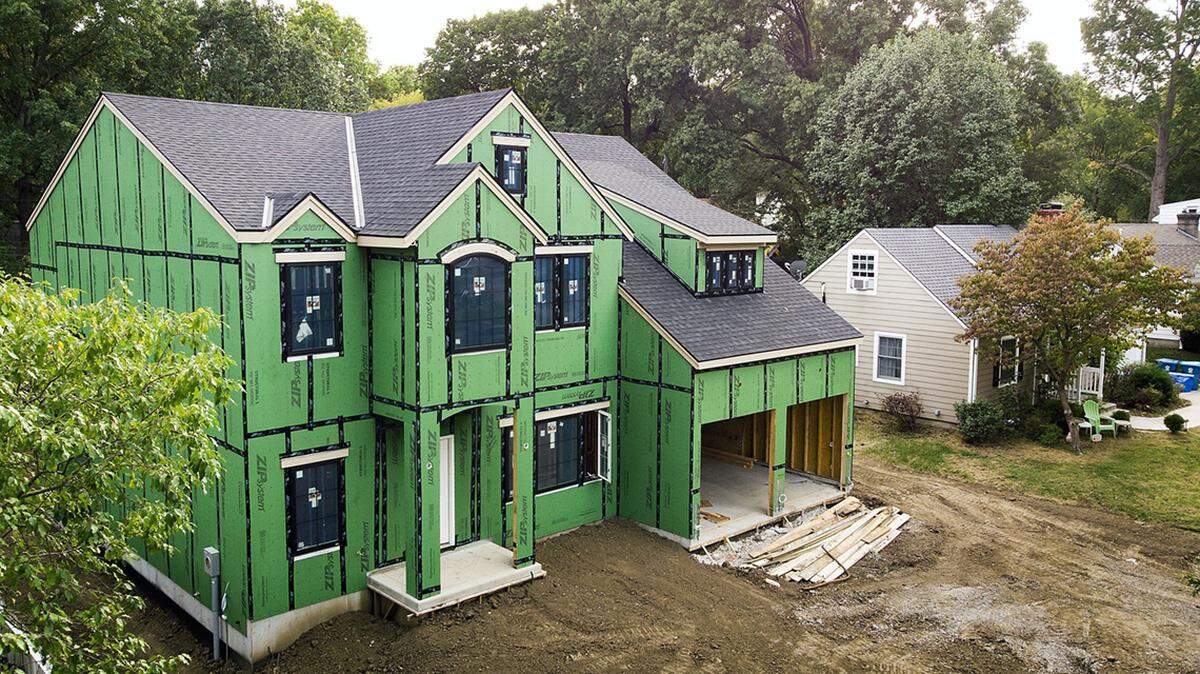
Prairie Village is in the middle of an aggressive debate over its housing and zoning policies, and its future. All Johnson Countians should pay attention to the dispute, because similar discussions are coming to your neighborhood, too.
It’s part of a national trend. The tradition of don’t-upset-the-apple-cart suburban politics is giving way to a broader discussion of equity and inclusion that’s familiar in urban areas, but less so in the leafy neighborhoods of Johnson County and places like it.
This dialogue is critical and long overdue. Johnson County should not fear it, but work to understand it — to use the lessons learned over the decades to extend prosperity and satisfaction to as many residents, and potential residents, as possible.
Sadly, there are signs some old-school county officials are fiercely resisting this discussion, or any serious reexamination of county policy, or any real reform. One longtime Johnson County insider called it an identity crisis.
“It cracks me up,” the insider said. “Our world is changing, and old white guy stuff is going away. … You can fight about it, or yell about it, or you can wake up and see what’s going on.”
In Prairie Village, the immediate concern is zoning and housing rules. A city committee has recommended steps that could lead to more affordable multi-family housing in single-family neighborhoods, a suggestion that sparked a loud pushback from some residents.
“This entire rezoning process has been driven by the wants of those poised to benefit financially from the unplanned, overbuilding of Prairie Village,” says a Facebook post from Stop Neighborhood Rezoning PV Kansas. “This is about forced density and the erosion of local control of zoning, with NO evidence it will result in more affordable housing.”
The group and its allies have protested the rules at city council meetings, and in their front yards.
Their efforts, in turn, have met resistance from some elected officials, and a group called Prairie Village for All. “We believe the promise of Prairie Village — that working-class families could find a place to live and thrive here — should be extended with equality and inclusion in mind, and that we need policy today that reflects that dream,” the group says.
The discussion is expected to continue into 2023.
We think Prairie Village residents should watch for further details and debate before taking a firm position on the rezoning issue. At the same time, we think everyone in Johnson County should welcome an honest dialogue about housing affordability and equality.
Average price north of a half-million
In October, the average price of a single-family Johnson County house exceeded $500,000. That puts home ownership out of the reach of young families and middle-income single people. Cities, and the county, must do more to encourage high-quality construction of multifamily apartments and other types of affordable housing.
That effort will be critical, by the way, as workers are hired at the new battery plant near DeSoto. Those workers, and their families, will need safe, affordable, and convenient housing.
To be fair, some of that work is underway. Apartment complexes have popped up in Lenexa, Shawnee and other communities — sometimes, to be sure, after resistance from single-family homeowners. More should be done.
But it isn’t just housing. Public transportation, law enforcement, education and development policies are also on the table in Johnson County, or soon will be. Those discussions must involve younger and more diverse constituencies than has been the case in the past.
It’s no secret that Johnson County is turning more Democratic. It provided winning margins for Gov. Laura Kelly and Rep. Sharice Davids on Nov. 8. Its voters preferred Chris Mann over Kris Kobach. Next year, there will be more Johnson County Democrats in the Kansas House than Republicans.
The campaign for Johnson County chairperson is nonpartisan, but most voters weren’t fooled: Mike Kelly, the Democrat, easily defeated Charlotte O’Hara, the Republican, for county chair. (Eric Mikkelson, the Prairie Village mayor who helped kick off the housing spat, won reelection. He was unopposed.)
The county is growing more diverse. In 1990, 94% of the population was non-Hispanic white. In 2020, 80% of the county fit that description. It’s time every Johnson Countian had a seat at the table.
Remaining open to a full discussion of Johnson County policy does not mean discarding decades of efforts to promote good schools, safe neighborhoods and realistic development. The opposite is true: Johnson Countians will have to work hard to protect those gains from some overly zealous forces focused on destroying public schools, or isolating communities from one another.
Johnson County, like all communities, can be made better. Its residents are demanding it. Its leaders must focus on a fair and inclusive future, not recoil from it.