
Kansas, Missouri families with rare diseases can’t afford slower progress | Opinion
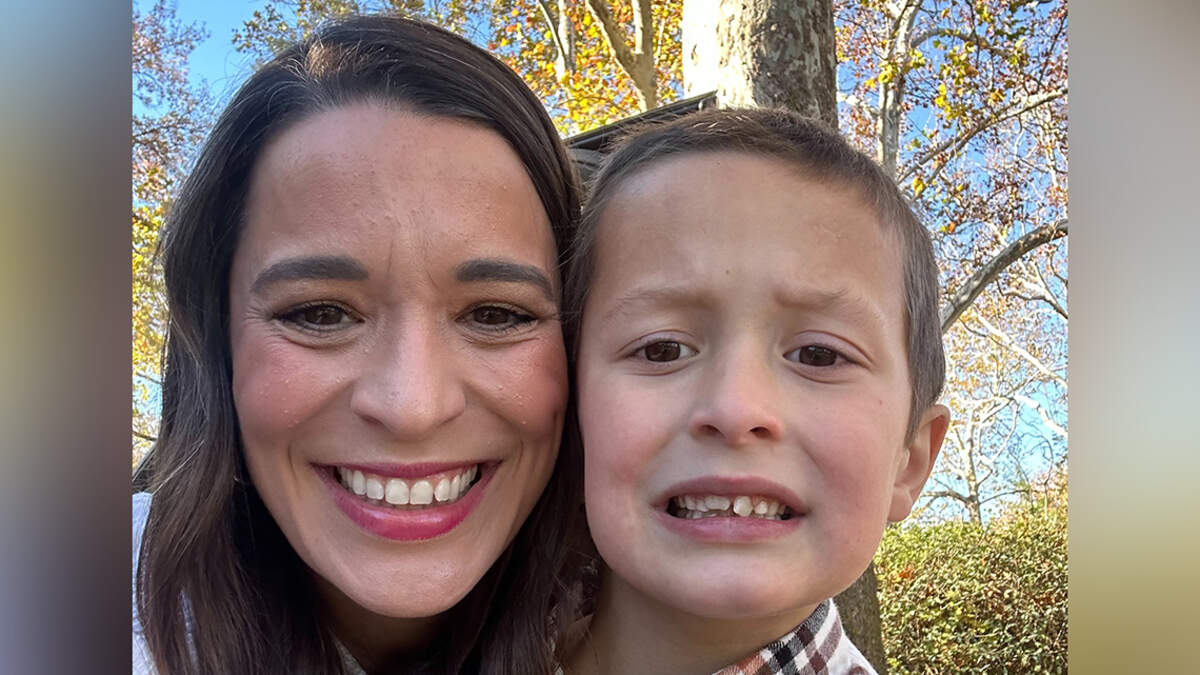
My family’s life changed the moment we learned our child was diagnosed with an SLC6A1-related disorder, a rare neurological condition that can cause seizures, developmental delays, cognitive impairment and lifelong challenges for affected children and their families.
Most people have never heard of SLC6A1-related disorders, and today, there are still no approved cures. For us and the thousands of others impacted by rare diseases across Missouri and Kansas, the national conversation around the Most Favored Nation prescription drug pricing model — which would tie U.S. pharmaceutical prices to lower amounts charged in other developed countries — is not just a policy debate. It is personal, urgent and directly tied to whether children with rare diseases will continue to have hope for future treatments.
For rare disease patients, medical innovation is the only path toward new therapies and a healthier future. Drug pricing policies should be judged not only by their immediate economic effects, but also by how they will impact the scientific progress needed to bring the next generation of treatments to patients with few or no existing options.
The stakes of this debate could not be higher. More than 10,000 rare diseases exist, yet 95% of them still lack a U.S. Food and Drug Administration-approved treatment. Developing therapies for rare diseases requires years of research, significant financial investment and a willingness to pursue treatments for small patient populations.
That is why rare disease families are deeply concerned about policies that could weaken investment in medical innovation. Evidence shows that in nations with these types of price-setting systems, patients wait months, sometimes years, longer than Americans to receive the latest life-changing therapies. For patients like my child, that could mean fewer clinical trials and fewer opportunities for future treatments.
Families across Missouri, Kansas and the rest of the Midwest are grappling with the challenges of navigating a rare disease, and oftentimes, patients must travel across state lines to reach specialists or participate in clinical trials. Parents miss work to attend appointments and spend years searching for answers while trying to maintain some sense of normalcy for their children.
We cannot afford policies that further slow the pace of lifesaving innovation. For those of us navigating SLC6A1-related disorders, progress depends on continued scientific research and the willingness of researchers and companies to keep pursuing cures. Drug pricing policies like Most Favored Nation status would threaten that progress.
As lawmakers such as Missouri Rep. Jason Smith and Kansas Sen. Roger Marshall help shape the future of health care policy, I hope they will remember the patients behind these debates and reject policies that undermine medical innovation and jeopardize the lives of patients who depend on future breakthroughs.
Kimberly Fry is the mother of a child with a rare disease and the vice president of SLC6A1 Connect, a 501(c)(3) nonprofit dedicated to improving the lives of children and families affected by SLC6A1-related disorders. She lives in Kansas City.