How a Cooking School Vacation in Italy Turns Tuscany’s Villa Kitchens Into Hands-On Culinary Classrooms
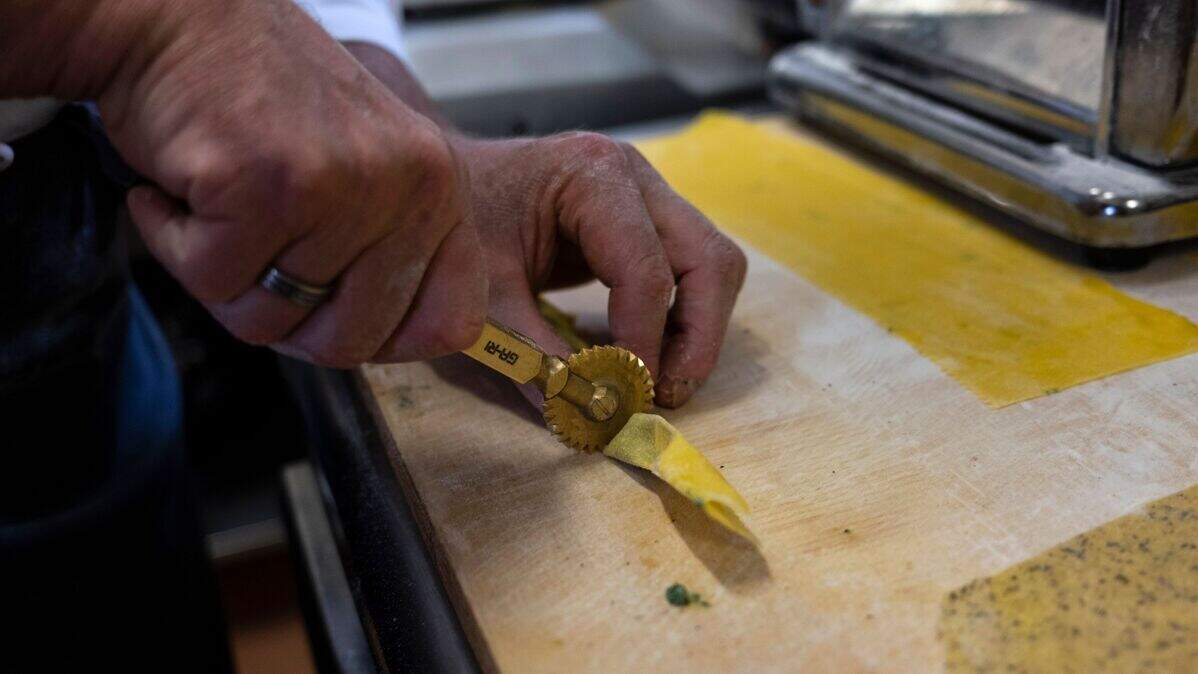
For serious home cooks, the dream isn’t just dinner in Florence — it’s learning to make it from someone who has been cooking that way their whole life. A cooking school vacation answers that itch, swapping sightseeing for villa kitchens, hands-on lessons and meals built around what’s in season. Italy has quietly become the center of this kind of travel, and the options range from a quick three-day taste to a full week of total immersion.
Here’s what to know before you book — and where to go.
What a Cooking School Vacation Actually Includes
A cooking school vacation bundles instruction, lodging and meals into a single trip. At some of Italy’s best-known schools, you cook, dine, sip local wines and sleep in the same villa. Classes are taught by Italian chefs, and the menus lean on regional traditions and what’s growing nearby.
Trip lengths vary. Some schools offer three-night stays for travelers short on time, while the classic format is a full week. Many programs price separately for “non-participating guests,” which makes them workable for pairs where only one person is obsessed with the kitchen.
The Best Cooking School Vacations in Tuscany
Tuscany is the heart of Italy’s cooking-school scene, with most programs based in restored villas surrounded by vineyards and olive groves.
Tuscookany runs hands-on cooking holidays out of four Tuscan villas — Bellorcia, Bellancino, Casa Ombuto and Torre del Tartufo. Three- and seven-night options are available, with pricing starting at just over $3,000 per person for the three-day program and just under $5,000 per person for the seven-night version. Discounted rates are offered for non-cooking guests. Experiences run April through November.
Toscana Saporita offers week-long programs centered on seasonal Italian cooking, historic villa stays and cultural excursions. For 2026, themed weeks include “I Found My Love in Portofino,” focused on regional Portofino dishes, and “Devil’s Bridge Week,” exploring Lucca and Garfagnana. The school also runs basic cooking and baking programs throughout the year and offers private classes for groups of two or more.
Tuscan Women Cook, based in the medieval town of Montefollonico, has been running total-immersion programs since 2000. Guests cook together, eat like locals and dine at five-star restaurants over the course of a week, staying at the Poggio Paradiso Resort & Spa. Lessons are taught by local Tuscan women. The program runs in May, June, September and October, and costs $6,600 per person based on double occupancy.
Organic Tuscany offers weeklong hands-on classes at a 19th-century villa in central Tuscany, with an emphasis on local, organic ingredients. Cooking takes place on-site in a spacious ground-floor kitchen, and lodging is in the restored villa. The week runs roughly $2,000 to $3,000 per person, with separate pricing for cooking and non-cooking guests.
The Florence Option for Serious Students
If you’d rather be in the city than the countryside, Scuola di Arte Culinaria Cordon Bleu is housed in a 16th-century building in Florence and offers everything from short workshops to full culinary degrees. Classes run from beginner to advanced.
The school’s Aroma Italia program covers classic Italian cuisine and technique, with single-lesson or three-lesson formats. More specialized programs — bread, pizza, pastries, sauces — typically run about 12 days. Prices range from around $100 for a single lesson to several thousand dollars for longer programs.
How to Choose the Right Cooking School Vacation
A few questions to weigh before you book a cooking school vacation:
- How long do you want to be away? Three nights is enough for a taste; a full week is the standard for true immersion.
- Villa or city? Tuscany’s villa-based schools sell the countryside as much as the cooking. Florence’s Cordon Bleu is built around the city and offers more à la carte flexibility.
- Are you traveling with a non-cook? Tuscookany, Organic Tuscany and others price non-participating guests separately.
- When can you go? Most Tuscan programs run April through November, with peak months in May, June, September and October.
The common thread across all of them: you leave knowing how to cook something you couldn’t before — and you’ve eaten very, very well along the way.
This article was created by content specialists using various tools, including AI.