Only 380 North Atlantic Right Whales Remain as Scientists Launch Urgent Fundraiser
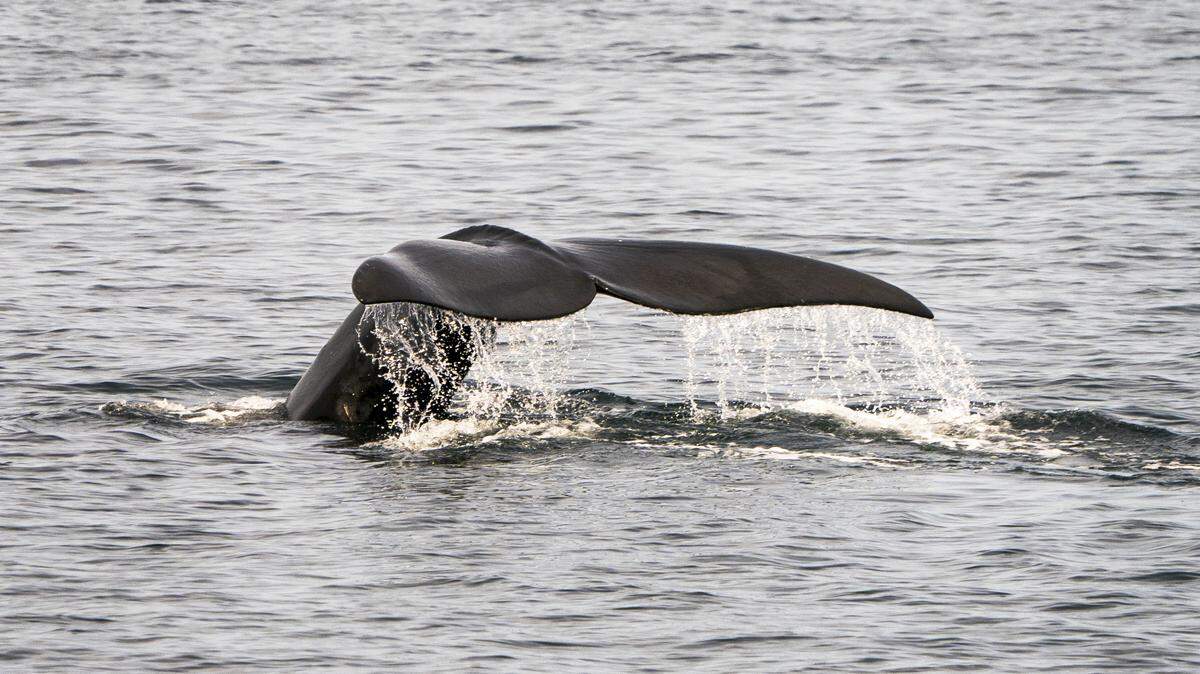
Somewhere off the coast of Massachusetts, a small team of volunteers scans the Atlantic Ocean every single day — not with satellites, not with tracking chips, but with their own eyes, binoculars and drones. They’re searching for one of the most endangered large animals on the planet.
There are approximately 380 North Atlantic right whales remaining. And the effort to keep tabs on them is far more hands-on than you might expect.
You Can’t Track Them Like Other Animals
Here’s the part that surprises most people: it is not possible to chip or digitally track right whales. That fact alone changes everything about how conservation works for this species.
“Unfortunately it is not possible to chip or digitally track right whales,” said Zoë Rauscher, a volunteer and drone pilot who launched a GoFundMe campaign for the Marineland Right Whale Project.
“As such, a designated team of volunteers surveys the ocean daily in order to locate the whales,” she added.
That means researchers can’t simply pull up a screen and check a whale’s GPS coordinates. Instead, people physically go out and look for them — day after day, using remote-controlled drones and marine binoculars to spot and monitor the animals in open water.
The Fundraising Push
The initiative is being carried out through the Marineland Right Whale Project, which is connected to researchers from Associated Scientists at Woods Hole. Rauscher launched the GoFundMe to raise money for the project’s ongoing research and protection efforts.
In a statement on the campaign page, Rauscher explained the urgency:
“In order for the researchers from Associated Scientists at Woods Hole to continue their impactful conservation efforts for the 2027 season, we must raise enough donations for the organization to be able to operate.”
According to the campaign, funds will be used to purchase equipment including remote-controlled drones and marine binoculars, as well as cover “research, reporting and administrative costs.”
But securing that funding has become harder. Rauscher pointed to a growing challenge facing the nonprofit:
“However, given that the [Marineland Right Whale Project] is a program run by a non-profit organization, we depend entirely on research grants (becoming increasingly more difficult to obtain due to federal budget cuts for environmental areas of research) and charitable donations to operate.”
Why These Whales Are So Vulnerable
NOAA Fisheries has listed North Atlantic right whales as endangered since 1970. The primary threats to the species include entanglement in fishing gear and vessel strikes — two dangers that are especially deadly for the youngest members of the population.
“Calves are particularly vulnerable as they lack the experience and speed of adults to evade approaching vessels,” Rauscher noted.
With only approximately 380 individuals left, every single whale matters. Every calf that survives to adulthood shifts the math for the entire species.
A Cautious Glimmer of Hope
Despite the dire numbers, there is a small reason for optimism. According to NOAA Fisheries, the agency is “cautiously optimistic” that the population is increasing.
That fragile trajectory is exactly what makes the Marineland Right Whale Project’s work so critical heading into the 2027 season. Without adequate funding for equipment and daily monitoring, the researchers and volunteers who physically locate and track these whales could be forced to scale back — at a moment when consistency matters most.
For anyone scrolling past this and wondering whether a few hundred whales really need daily surveillance by drone-flying volunteers with binoculars: yes. Because no one else can find them.
This article was created by content specialists using various tools, including AI.