A ‘new old’ offering: Why KC’s Screenland brought back a film projector
Screenland Armour owner Adam Roberts said he grew up watching movies on film until the late 2000s to early 2010s, when digital made its mandatory way into theaters.
When he took over Screenland in 2012, film was dying, and the North Kansas City theater was forced to upgrade to digital or be shut out of new releases.
His latest investment into the independent movie theater returns to its 1920s origins.
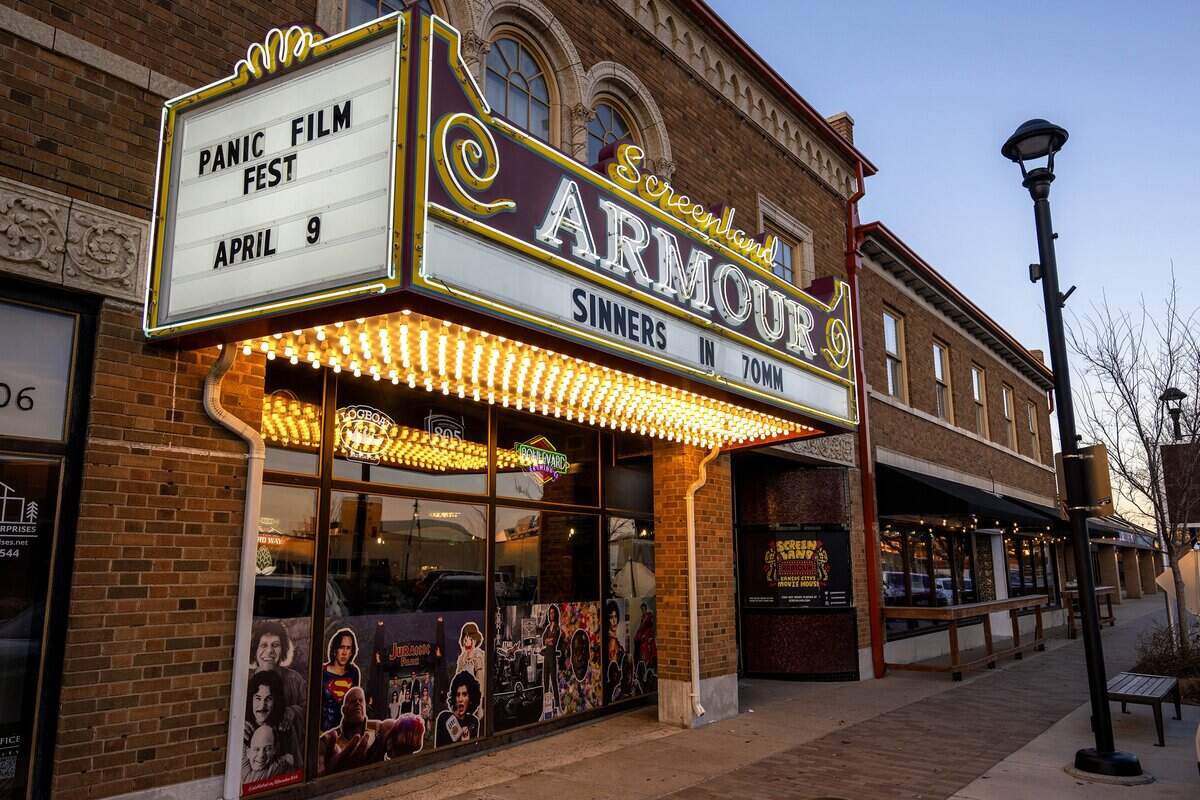
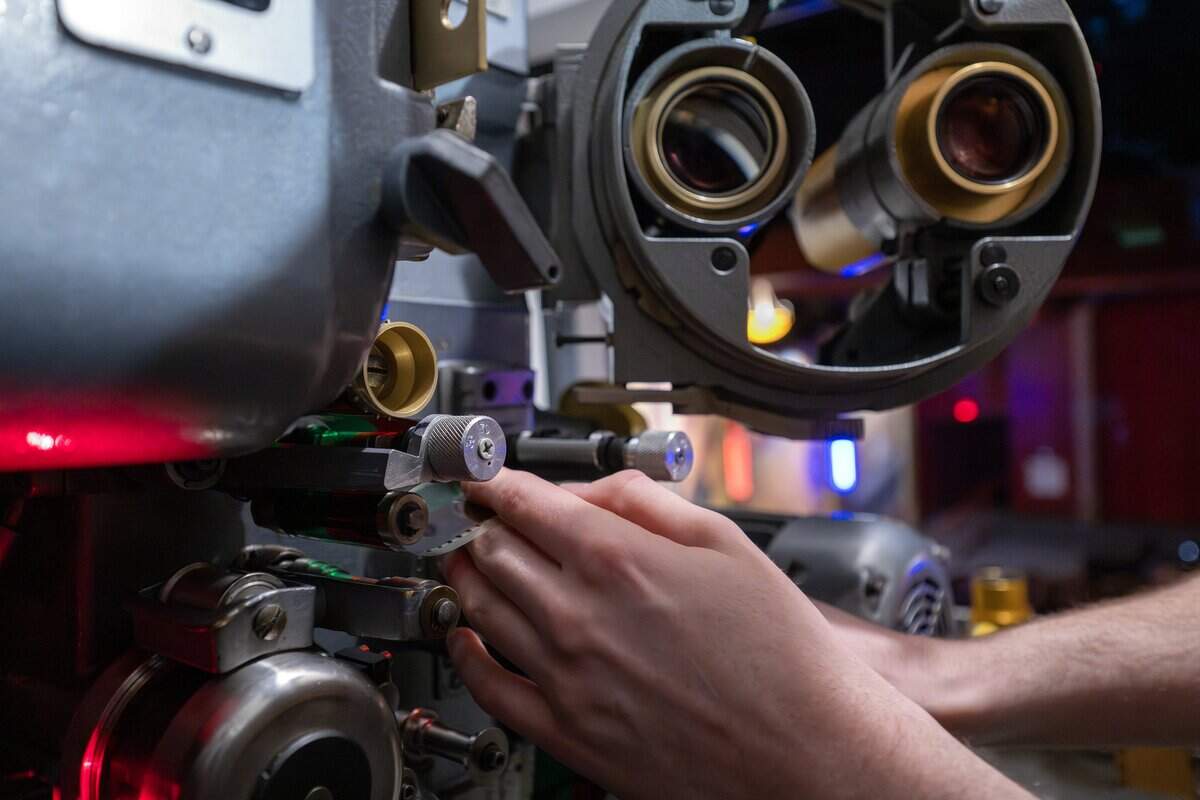
Roberts posted on Screenland’s social media accounts in August that he was planning to bring a dual projector that could show 35mm film and 70mm film reels inside the largest of its four theaters.
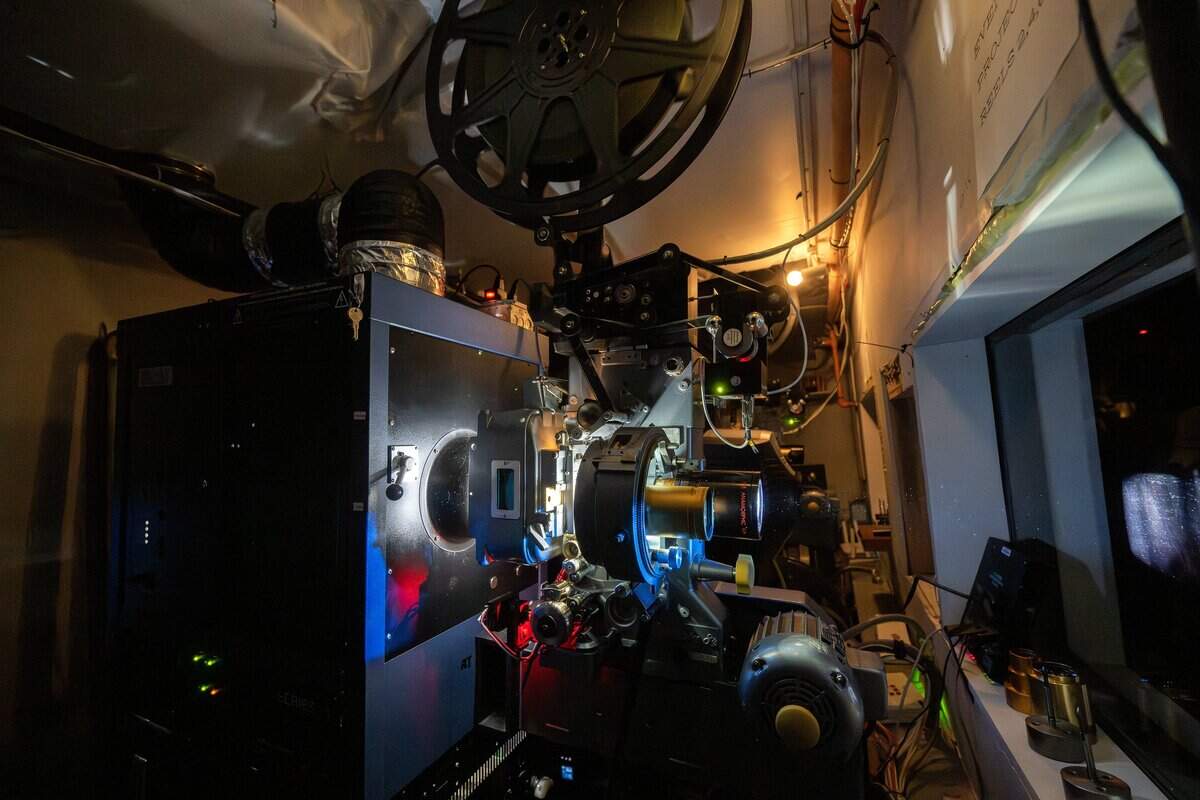
Crowdfunding, delays with installing and making a hole in the ceiling so it could fit followed, but it’s now running, showcasing Oscar-nominated movies as some of the directors intended. It marks the first time since March 2013 that Screenland ran a film on film.
Around 30 movie theaters in the world are equipped with the technology to run 35mm or 70mm prints, including AMC Town Center in Leawood. The raw materials out there that can run this type of projection are hard to find, which added to the $120,000 and counting Roberts spent on bringing this to his theater, including a $100,000 loan in August.
He’s made upgrades to the seats, sound systems and projectors in each of the theaters, and he said adding this projector as an option felt like the last piece of the puzzle that would make them a destination spot for cinephiles in the United States.
“For a ‘new’ ‘old’ offering, it was just like watching everything change, seeing what was our successes and what we can offer that’s different,” Roberts said. “We’ve kind of peaked.”
Bringing film back to Kansas City
Bringing film back to Kansas City always felt like it was in the cards for Screenland.
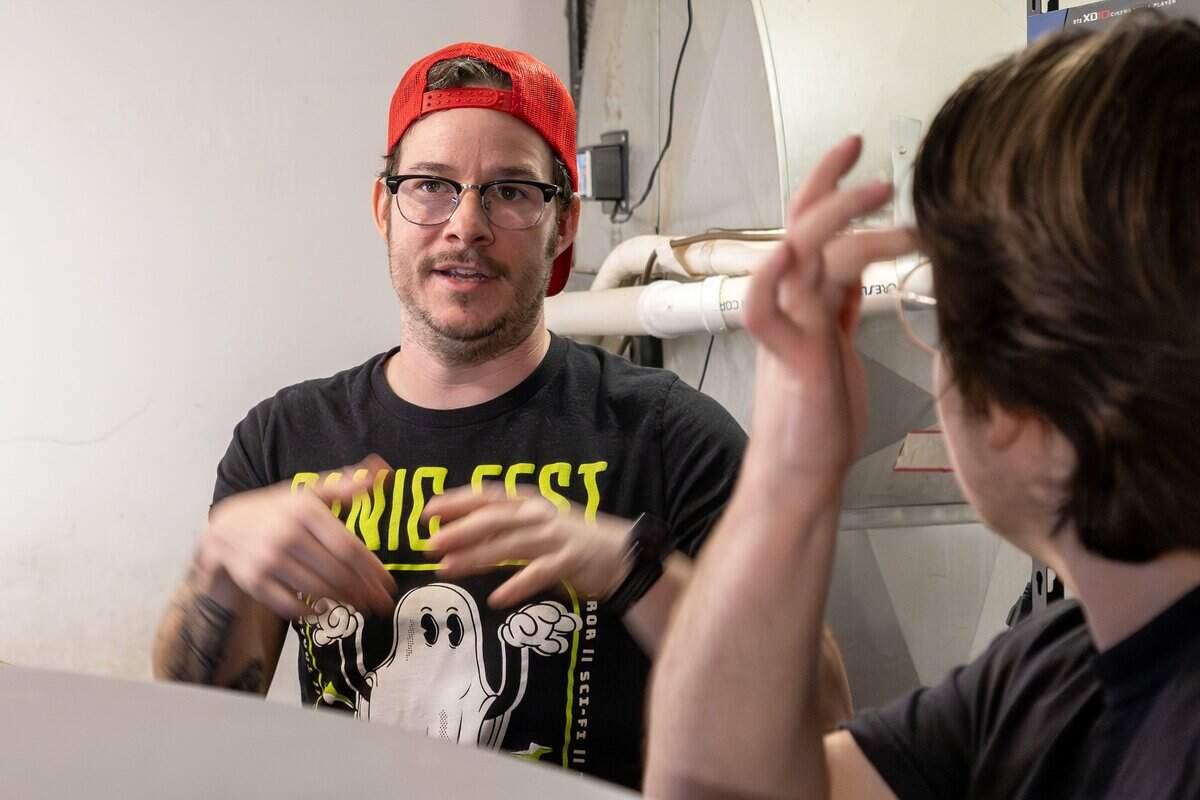
Roberts has heard a lot from his Gen-Z staff that 2026 is the analog year, meaning people are staying off their phones more, getting rid of social media and seeking out more physical media. CDs and DVDs have joined vinyl records in newly started collections, and Roberts said film is perfectly timed within the conversation.
The new desire to see movies how the directors intended also ties in with the rise of interest in wanting to see movies from smaller distributing companies. Roberts noticed that shift after the Marvel Cinematic Universe’s 23-film “Infinity Saga.”
Screenland’s customers were showing less interest in franchises and more in unique stories, like Elevation Pictures’ “Nirvanna: The Band - the Show - the Movie,” or A24’s “Marty Supreme.” When Roberts was thinking of what to do next to upgrade the moviegoing experience, a film projector just made the most sense.
“You never know when you’re doing a business thing if it’s the right thing, and this is a very costly thing to get wrong,” Roberts said. “But, the excitement of just announcing that film will be here, and not only film, but 70 millimeter film, was incredible.”
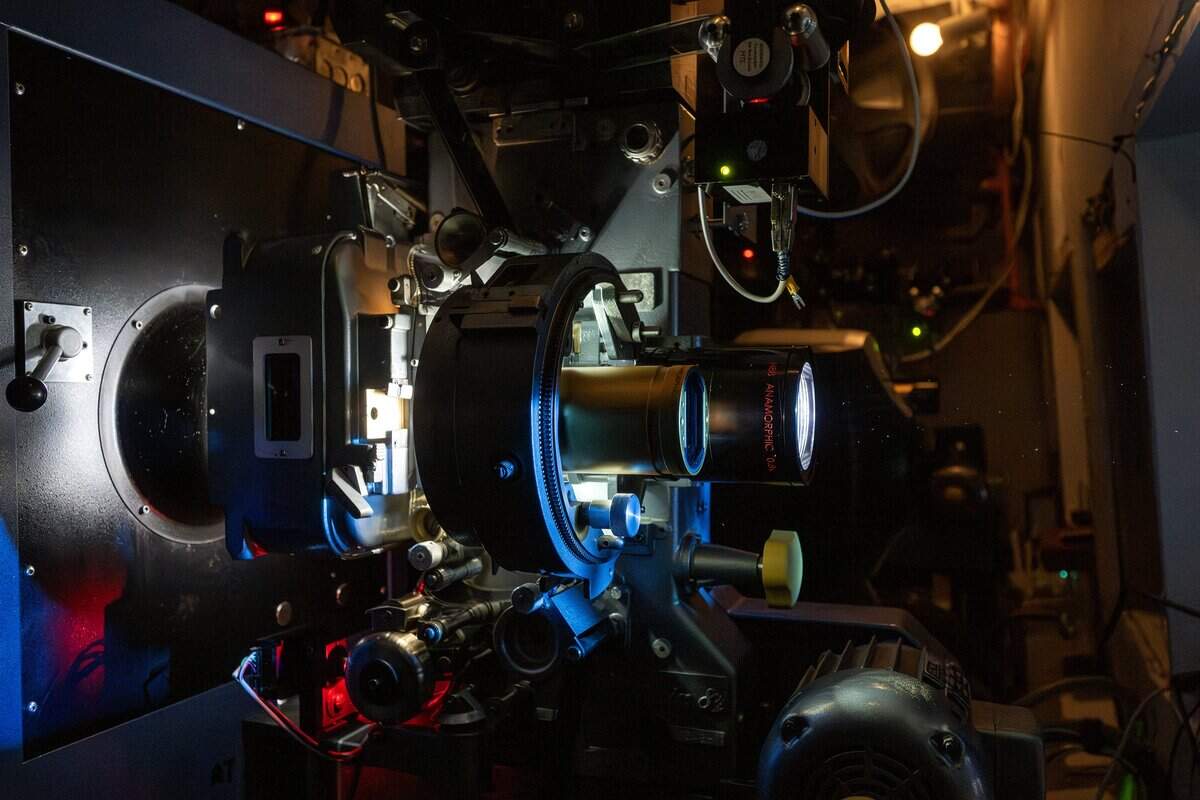
The theater partnered with Magna-Tech Electronic Company to install the dual projection system after months of Roberts calling movie theater friends around the country looking for someone that knew how to do it. Roberts didn’t share how much money the theater’s made since the investment, but it’s easy to see its popularity.
The first film they showed on 70mm at the end of February, Paul Thomas Anderson’s “One Battle After Another” almost sold out every day throughout its seven-day run in the 200-seat theater.
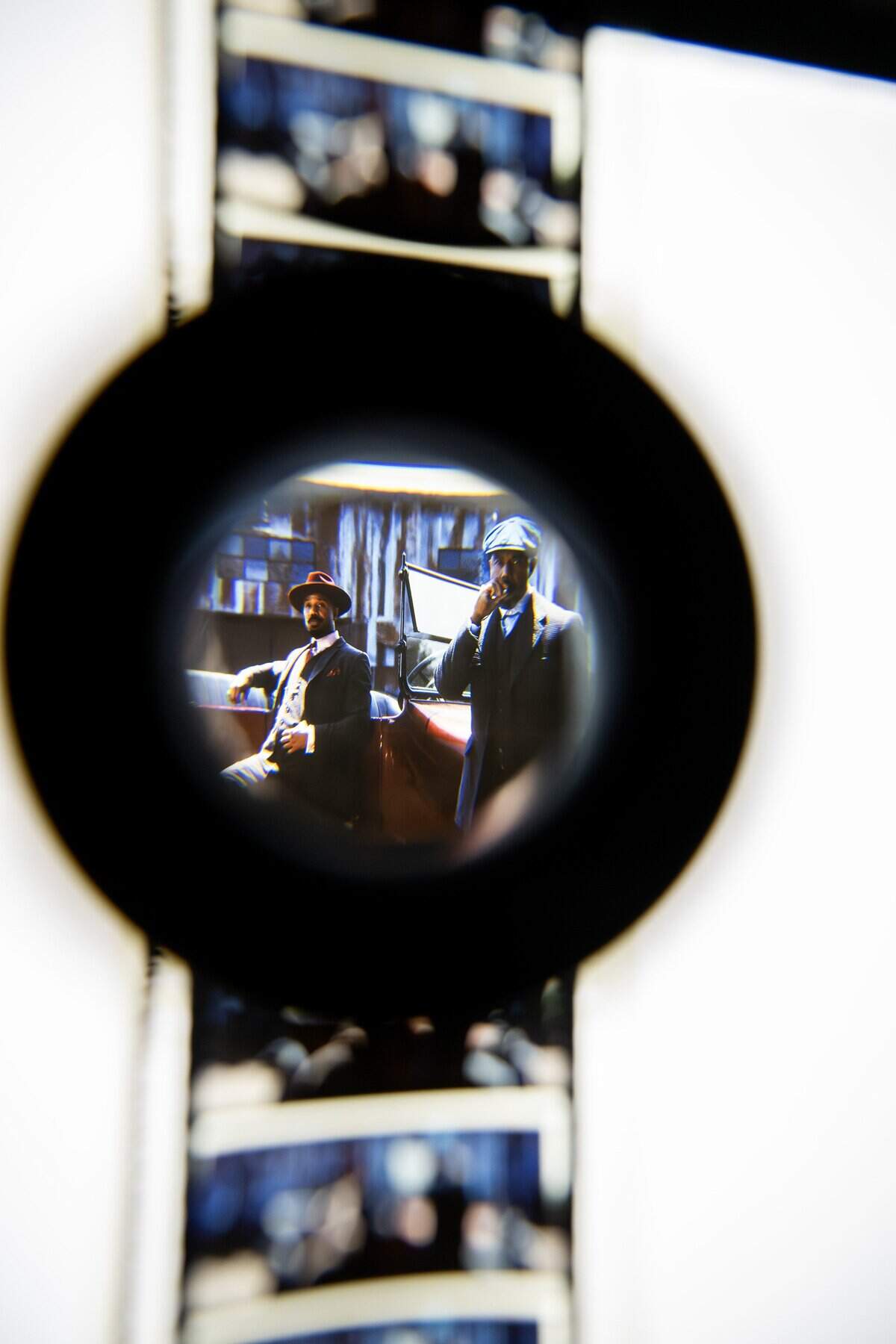
Five 70mm showings of Ryan Coogler’s Oscar-winning film “Sinners” are planned daily starting from Friday, March 27, through Wednesday, April 1, with the first three already sold out.
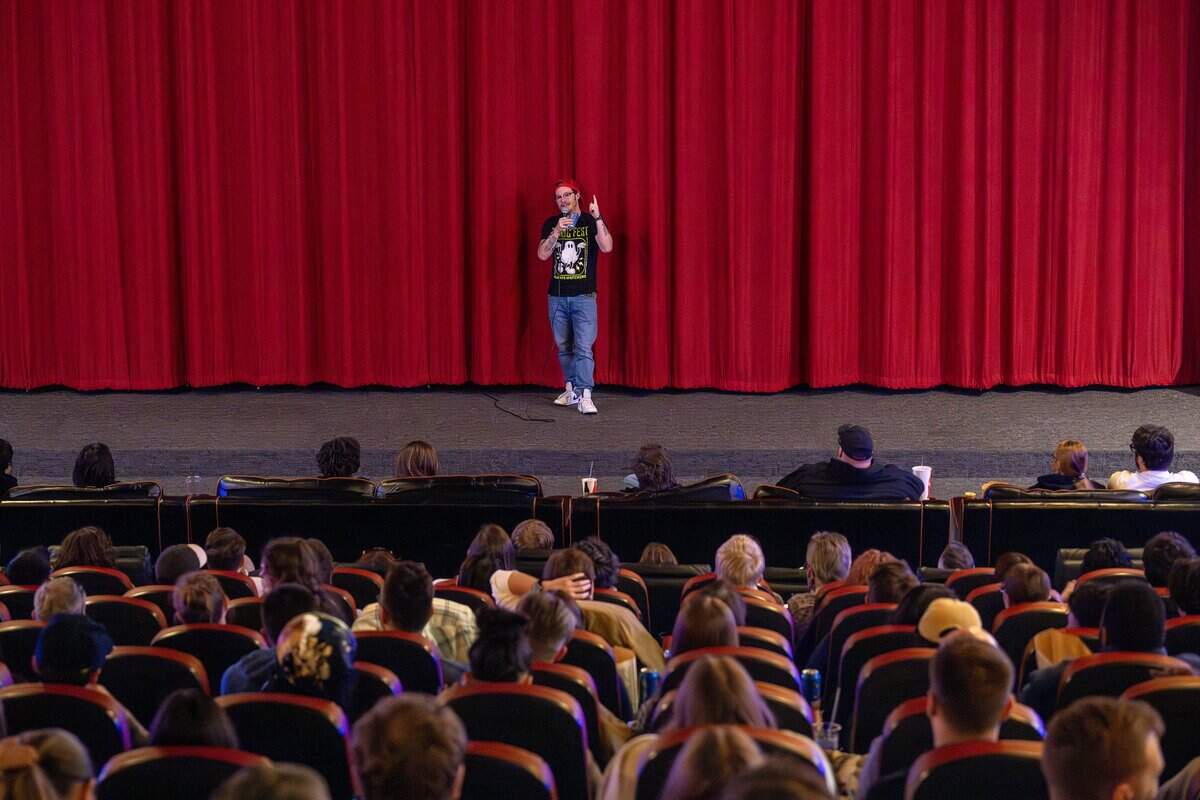
Future movies on their list include fan favorites like “Jurassic Park” “Super Mario Bros.,” “Monkeybone” and “Donnie Darko” in 35mm, and “Vertigo” in 70mm. A March Friday the 13th showing of “Freddy Vs. Jason” in 35mm also brought in a good crowd.
Not currently on the schedule, but in the works: Christopher Nolan’s “The Odyssey.”
Operating the dual projector inside Screenland
A film projector requires more attention than the digital projectors used in many movie theaters around the country. For digital projectors, Roberts said it’s as easy as hitting play on a computer and letting the file show on the screen (although issues can pop up, like the movie freezing or not connection to the sound system).
Twenty years ago, thousands of 15- to 16-year-olds would’ve been trained on how to run a film projector since that’s what the majority of movie theaters used. Now, it’s on Roberts to train his staff.
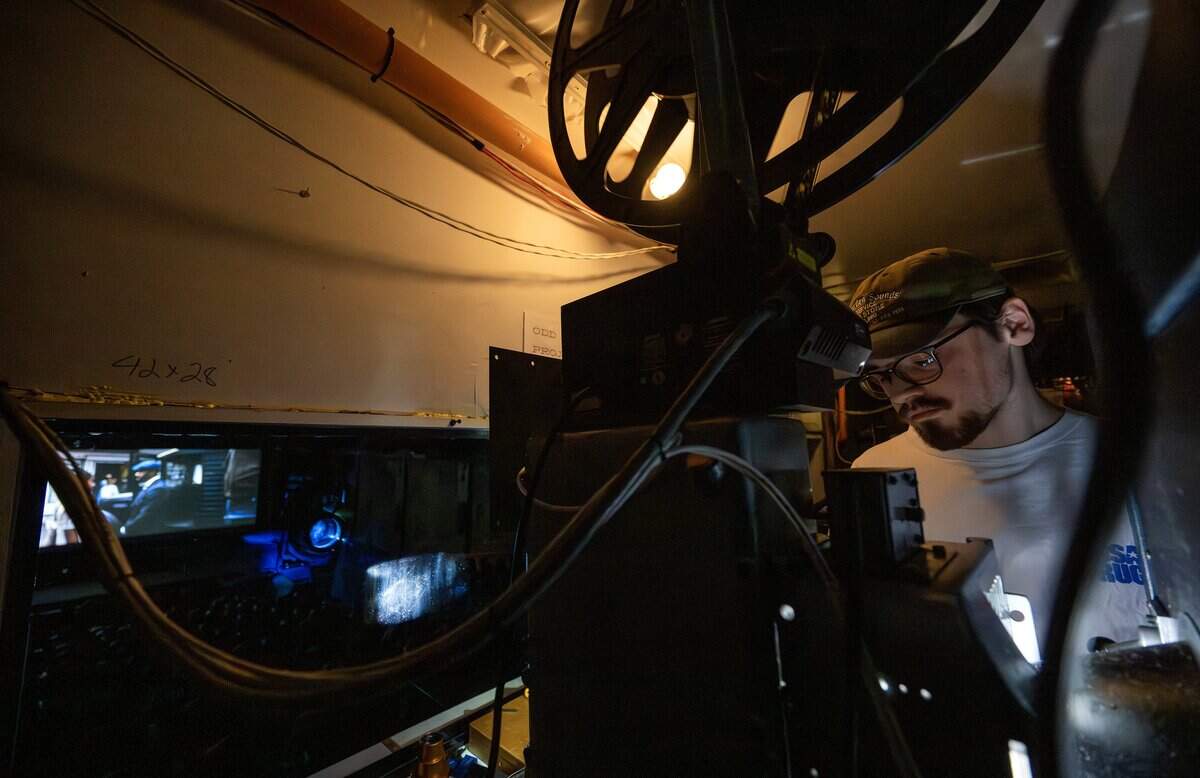
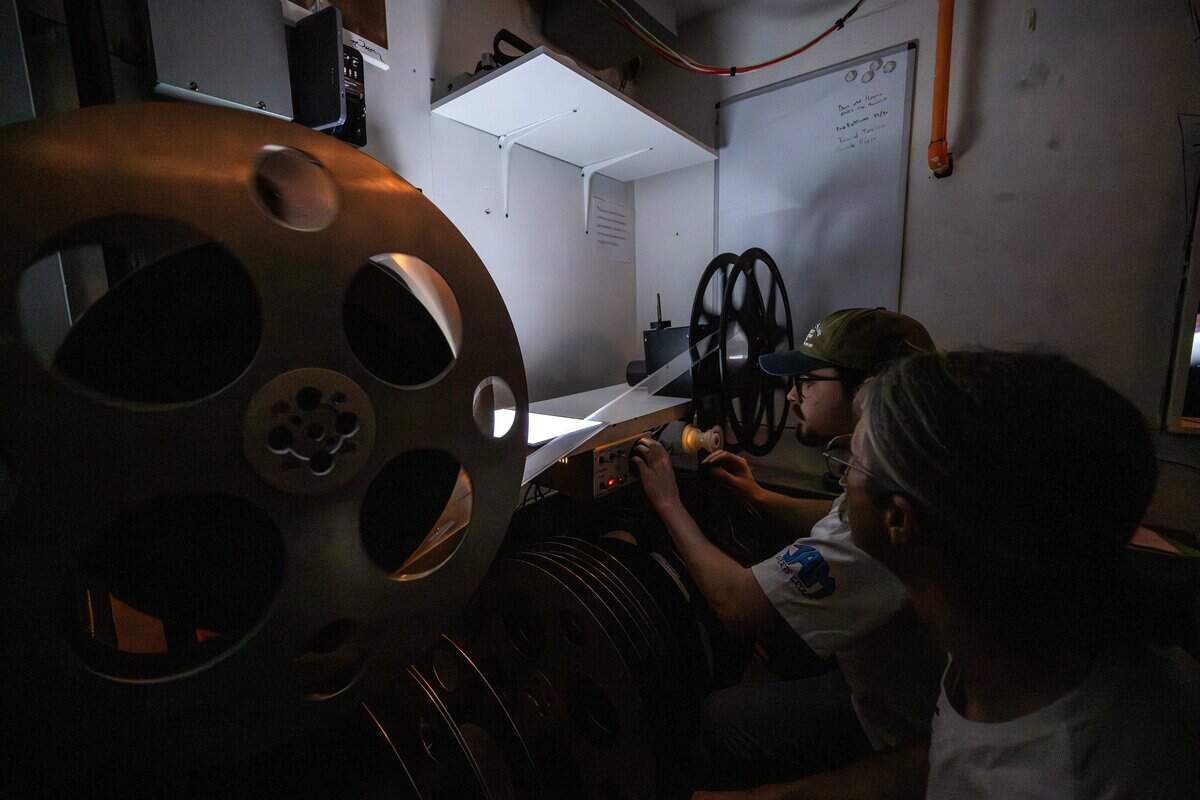
It requires someone to inspect, lift and manually switch out the reels when it’s time. That requires training staff members on technology they may have not been alive to see until now, and for them to be stationed in the control room for the duration of the film.
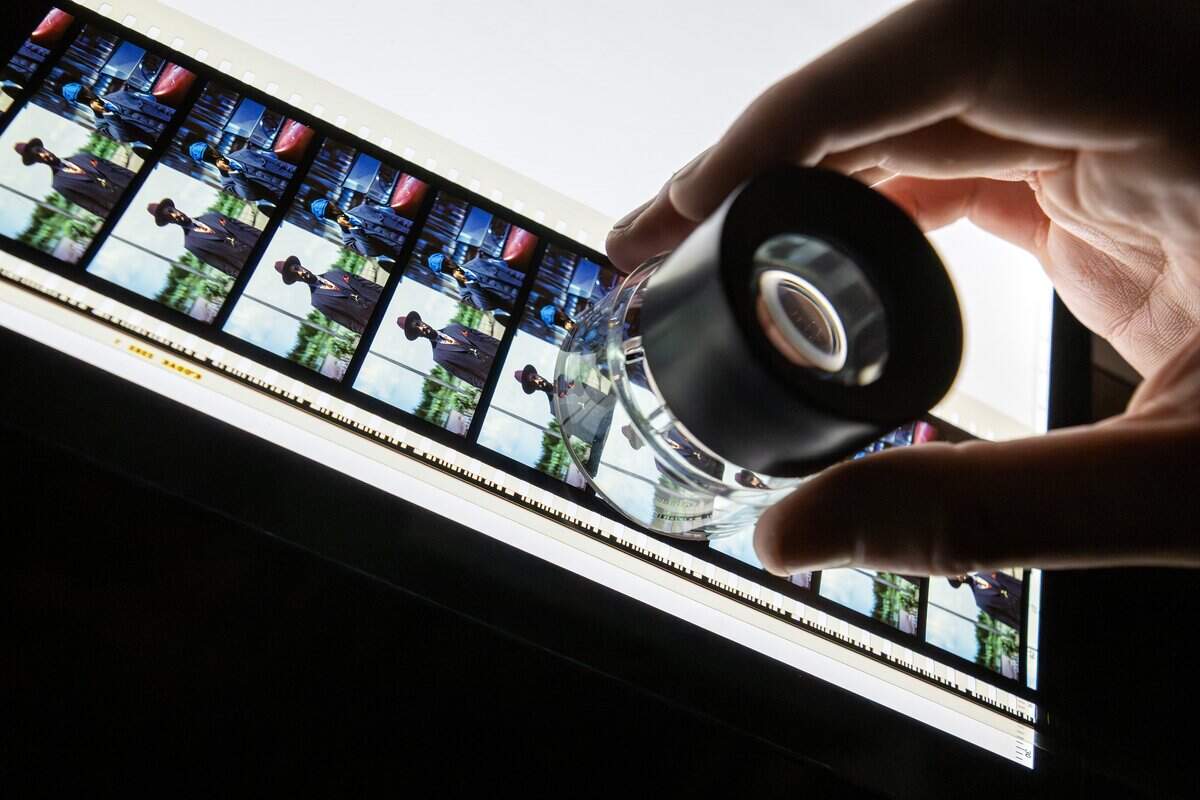
Roberts said the real draw of the film projector is that every screening will be different. Since it’s a thin piece of film running through a really hot light, imperfections will start to show as the movie keeps playing, and it’ll be visible to the crowd. When you start to see what looks like cigarette burns, that’s the cue to change the reel.
“You’re going to see a massive difference in how it looks and feels, and it does feel like more like a ‘real’ movie because it has these imperfections,” Roberts said. “The light is hitting it differently. It has that warmth that you get when you see a photo taken on film that you just can’t really do on digital.”
All of this extra care has been worth it. Roberts said post-screening reactions have ranged from adoration for how the colors popped on film to “holy s---” from staff and customers.
“Having things like film creates a new opportunity for new discussion, and I think what we’re all about here is finding new opportunities for people to learn the legacy of film in cinema,” Roberts said. “But, also to potentially change their life, either by meeting new people or seeing something that’s going to actually make them think or feel a different way.”
This story was originally published March 28, 2026 at 5:00 AM.