Are you trying to get into law school but need to raise your LSAT score? You’re in good hands.
Most test takers score below 160; around 25% reach 160 or higher, 5% score 170 or more, and fewer than 1% score 175 or higher.
As someone who’s reviewed dozens of LSAT prep tools, I’ve seen most students waste time on things that don’t help. Achieving a high LSAT score requires more than just selecting the correct answer. It requires proper preparation.
This guide shows what works: real practice tests, logic-based review, and focused strategies to boost your score.
Key Takeaways
- Finding a Target Score: You need a baseline to shape your LSAT prep.
- Prioritize Logical Reasoning: It makes up nearly half of your total LSAT score.
- Review Every Question: Real improvement comes from reviewing incorrect answers.
- Practice in Timed Conditions: Match the format of the real LSAT.
- Stay Consistent With Your Study Plan: Progress comes from repetition and reflection.
Know Your Target Score
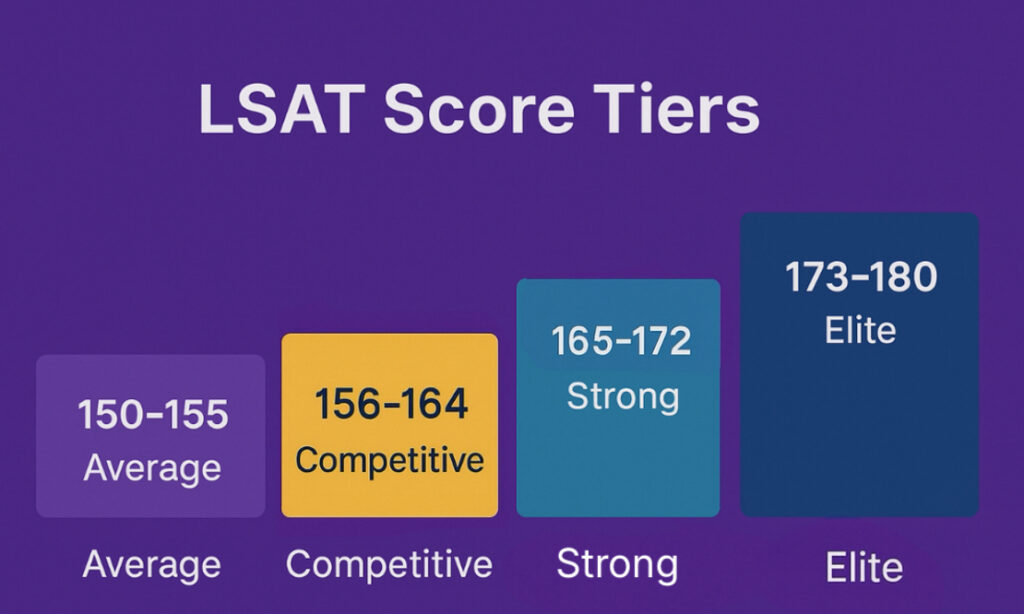
Your target score should match what you’re aiming for. If you’re going after the most competitive programs, you’ll probably need something in the 173–175+ range.
Score Breakdown:
- 150–155: Below average
- 156–164: Competitive
- 165–172: Strong
- 173–180: Elite
Use your baseline score to decide how much work you need to reach your goal.
What Changed on the LSAT?
The August 2025 format removed the Logic Games section. Here’s what the new LSAT looks like:
- 2 scored Logical Reasoning sections
- 1 scored Reading Comprehension section
- 1 unscored experimental section
- A writing sample completed separately on your computer
Focus on Logical Reasoning
The Logical Reasoning section makes up nearly half of the LSAT. These sections test your ability to break down arguments, spot flaws, and pick the correct answer from closely worded choices.
Common Issues to Watch For:
- Tricky answer choices
- Misreading the argument’s structure
- Confusing similar-sounding options
What Incorrect Answers Teach You
Each time you get a question wrong, it’s a chance to improve your LSAT score. Review all the questions in that set to understand what made the right answer correct and why yours didn’t hold up.
Take Time to Review:
- Look at why your answer choice didn’t hold up.
- Break down why the correct answer was right.
- Practice deeper LSAT preparation through review.
💡 Pro Tip: I’ve seen students increase their score by 5 points or more simply by adjusting their approach to reviewing incorrect answers.
Use Timed Practice Tests
Always use practice tests under timed conditions. It helps you build pacing and simulate the pressure of a real exam.
Most students aren’t ready for the pacing or stamina, but that’s okay. The goal isn’t a high score right away.
Use 35-minute timed practice tests to sharpen your speed, accuracy, and decision-making. The more your prep feels like test day, the better you’ll perform.
Target Your Weak Areas
Improvement comes from fixing your problem spots. If you consistently miss assumption questions or struggle with comparative passages, that’s where your focus should go.
Ask Yourself:
- What question types do I consistently get wrong?
- Where does my accuracy drop under pressure?
- Which sections cost me the most points?
Consider a Prep Course or Tutor
If your score isn’t improving after consistent practice, an LSAT prep course or LSAT tutoring services can help.
Look For Options that Include:
- Diagnostic practice tests
- Personalized review of wrong answers
- Step-by-step strategies
- Ongoing score tracking
💡 Pro Tip: Choose a course or tutor that fits how you learn and keeps you on track.
Prepare for Your Official Test Day
These steps help you stay focused, calm, and ready to perform your best:
- Run a Tech Check: Test your device, webcam, and internet the night before.
- Stick to Routine: Avoid cramming and keep your usual habits.
- Visualize Success: Mentally walk through the test to build focus.
- Minimize Distractions: Set up a quiet, uninterrupted space.
- Trust Your Prep: Use the strategies you practiced; nothing new on test day.
💡 Pro Tip: The more familiar the test day feels, the more confident you’ll be.
Final Thoughts
Improving your LSAT score means fully understanding why the correct answer works and why the others don’t. That kind of insight comes from real prep: using practice tools, reviewing answer choices, and building strong logical reasoning skills.
Whether you’re aiming for a 150 or a 170+, your LSAT journey should be about steady progress. Your future law school seat starts with a focused LSAT plan.
Stay consistent, build test confidence, and hit your score goal.
FAQs
You can take the LSAT up to five times in five years.
The average score is around 152, and you’ll want to score a little higher to have a good score.
For many, yes, it’s a hard exam. Practicing under timed conditions is essential.
Yes, but they often use your highest score in admissions.
No, it’s a digital test taken online or on a tablet.